

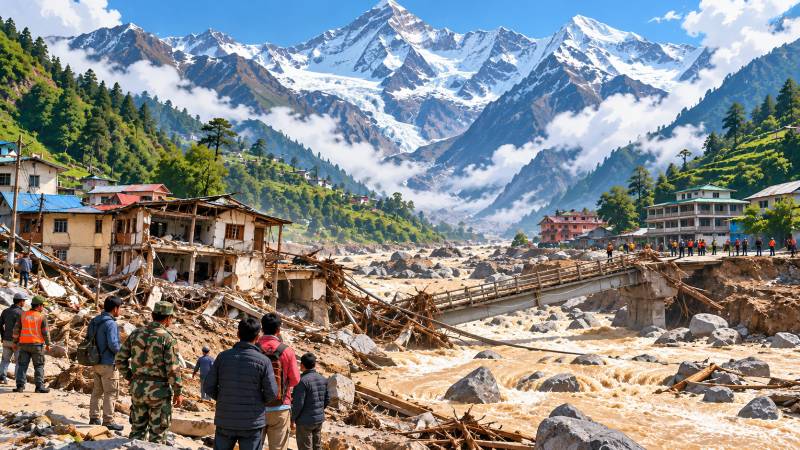
Nepal faced a series of devastating catastrophes in 2026. On the morning of 26 August, a large ice rock avalanche occurred on the north facing slope of Langtang Lirung, above seven thousand meter mountain in northern Nepal near China border. The collapse sent ice, rock and debris in Bhote Koshi Trishuli river system, triggering destructive flood that destroyed homes, roads, bridges and infrastructure. Nepal’s National Disaster Risk Reduction and Management Authority (NDRRMA) had recorded 1,455 people and left 5,285 missing.
Just 32 days after, torrential rain from September 24 to 27 triggered another wave of disasters across Nepal. According to NDRRMA, the four day spell caused 542 rain induced disaster incidents including 304 landslides and 87 floods. At least 27 people were killed and four remained missing. The first disaster occurred near the country’s northern border with China and the second brought floods and landslides to areas along the southern border with India. Nepal is a landlocked country at the heart of the Himalayas, home of mighty Mount Everest and some of the world's most important mountain ecosystems. The collapse of mountains in this way is not a warning bell only for Nepal, rather it is a last warning for the nations connected to the Hindu Kush Himalaya (HKH) mountain ecological system.
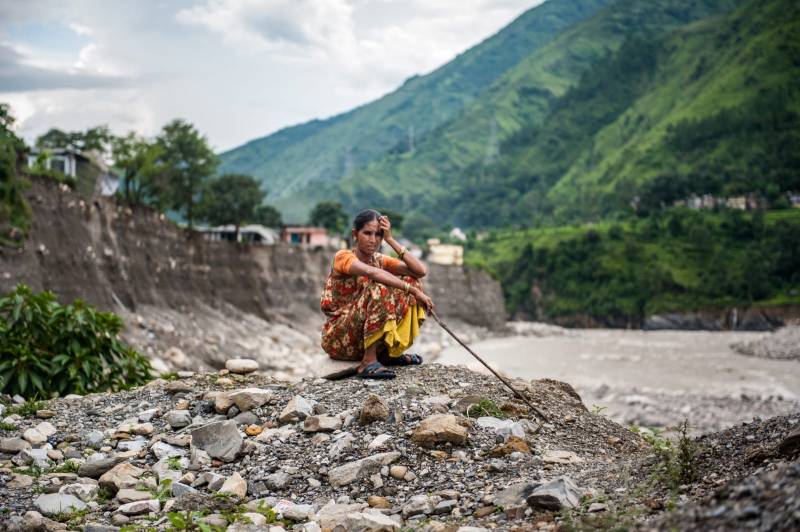
Today, Nepal is facing a similar mountain disaster while last year Pakistan experienced devastating monsoon heavy rain floods and landslides in Khyber Pakhtunkhwa (KP). In August 2025, intense rains prompted flash floods and landslides in Buner and Swabi districts where falling rocks swept through villages and destroyed homes within minutes. In Swabi’s Dalorai Bala village, 13 members of one family were killed when debris engulfed their home. In Buner’s Beshonai village, nine members of another family were swept away. According to Pakistan’s Economic Survey 2025/26, the 2025 floods killed 1,039 people and caused estimated economic losses of Rs 822 billion. Similarly, India and China are also affected by extreme weather events every year.
A Tragedy Beyond Borders
Hindu Kush Himalaya is a shared ecological system rather than a collection of national territories. The interconnected ecological mountain system shared by eight countries Pakistan, Afghanistan, India, Bangladesh, Bhutan, China, Myanmar and Nepal. The International Centre for Integrated Mountain Development (ICIMOD) works on climate, environment, mountain development and livelihoods across HKH, reports reveal that since last few years HKH receives record below normal snow persistence. Known as Asia’s water tower HKH snow and glaciers feeds region's 12 major river basins provide freshwater and vital ecosystem services to around two billion people across 16 countries in Asia. The HKH contains above sixty-three thousand glaciers, according to the latest 2026 assessment by ICIMOD. It says climate impacts are intensifying, while glaciers across the region are losing ice at nearly twice the rate recorded since 2000.
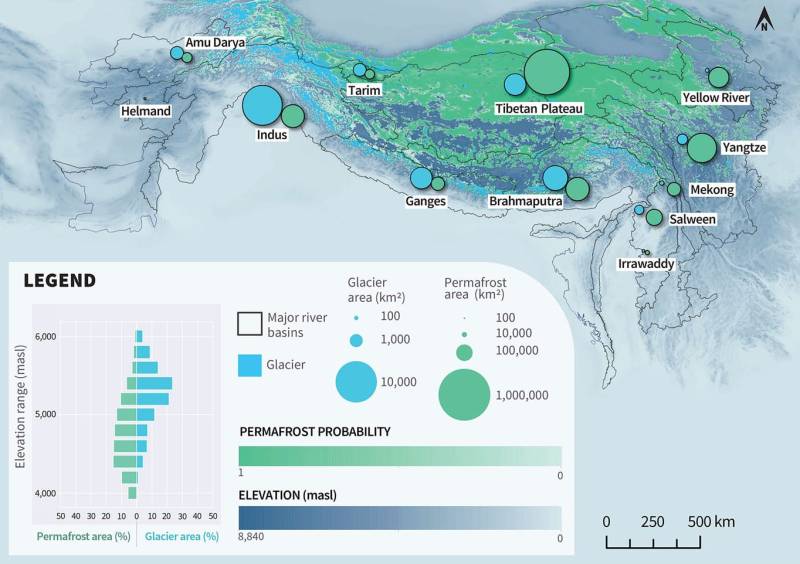
Yet despite scientists and international institutions have repeatedly warned that HKH is highly vulnerable to climate change. The Inter Governmental Pannal on Climate Change IPCC has highpoint glacier loss, declining snow cover and permafrost degradation across the region, and warning that changes in the cryosphere can increase risks from floods, landslides and Glacial Lake Outburst Floods GLOF, meaningful regional cooperation remains partial. As a result, when disasters strike countries often respond within their own borders, rather than addressing the shared risks and investing in regional deterrence, early warning system and preparedness.
Nepal’s experience exposes a persistent gap between global climate commitments and the finance reaching disaster-hit countries, leaving vulnerable nations to confront increasingly severe climate impacts with inadequate resources.
Global Pledges and Delays in Aid
Nepal’s catastrophe also illustrate that how slowly international Loss and Damage Finance is reaching to disaster hit countries. After the August 26 Bhotekoshi/Trishuli disaster, Nepal requested $20 million from the Fund for Responding to Loss and Damage (FRLD). Maheshwar Dhakal, Nepal’s climate change focal point and an alternate member of the FRLD Board, told The Kathmandu Post that a separate $20 million had been approved under the Fund’s Barbados Implementation Modalities, based on proposals submitted before the disaster. He said Nepal’s emergency request was still awaiting a decision. Meanwhile, Climate Home News reported that individuals and companies in Nepal and abroad had raised nearly $90 million for the country’s relief efforts.
The gap between climate disasters and international finance remains significant. Carbon Brief, a specialist climate publicatio reported 176 applications seeking $2.8 billion from the FRLD against $822 million pledged. Only about half had been paid into the Fund. Although $342 million was available for the initial funding round, Carbon Brief reported that by September, no money had reached disaster hit countries. Pakistan faces a similar issue. It has submitted three proposals seeking up to $58 million, including funding for flood recovery in Khyber Pakhtunkhwa. In September 2026 Pakistan’s Finance Minister Muhammad Aurangzeb express concerns over the slow operation of the Funds.
Addressing the UN General Assembly on September 24, Nepal’s Prime Minister Balendra Shah called the Bhotekoshi/Trishuli disaster “ not just a local tragedy, but a warning to the world.” but a warning to the world.” He said a warming climate is destabilizing the fragile Himalayan ecology and stressed that “climate change does not recognize borders.” Shah called for adequate grant based international support, stronger early warning systems and regional cooperation. He also proposed a Himalayan Climate Resilience Mechanism involving Nepal, India and China to share satellite data and expertise monitor dangerous glacial lakes, strengthen joint early warning systems and coordinate assistance across borders.
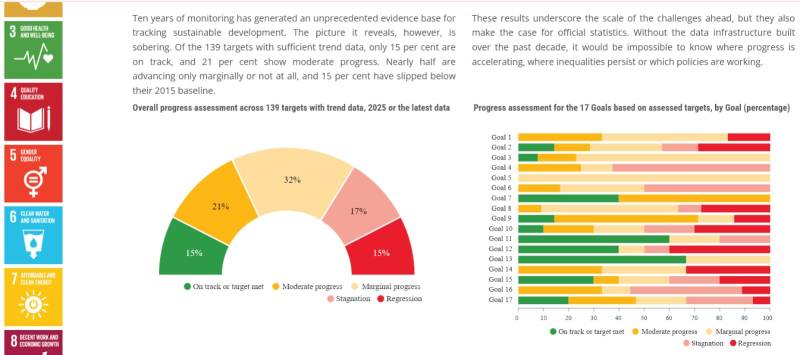
Despite regional and global commitments UN Sustainable Development Goals SDGs and initiatives led by ICIMOD, a huge gap between commitments and action remains fragmented. The UN’s 2026 SDG assessment shows that progress remains uneven, 139 targets with sufficient trend data, only 15% are on track, while 21% show moderate progress, nearly half are advancing marginally or not at all and 15% have fallen below their 2015 baseline.
Nepal recent disaster shows development must go beyond rebuilding infrastructure to strengthening resilience, protecting ecosystems and reducing risk. Political tensions between India and Pakistan, India and China, and Afghanistan and Pakistan add another layer of difficulty to sharing a common ecological reality. Experts suggests regional leaders need monolithic environmental collaboration, with scientists, governments and communities working across borders to understand glaciers, rivers, forests and climate risks. Local knowledge and cultures are essential to protecting both people and ecosystems and to honor the mountains shared destiny.