

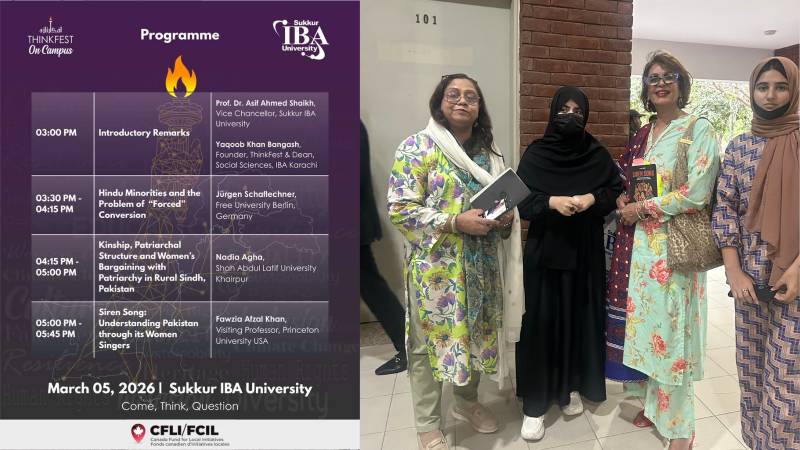
When Yaqoob Bangash, a friend and colleague who runs the annual Thinkfest festival of progressive intellectuals and activists in Lahore, my birth city, invited me recently to participate in a spin-off of the original, I was intrigued. Rather than an ingathering of intellectuals addressing audiences of similar backgrounds in big urban centres such as Lahore and students from its elite urban academic institutions, I was asked to participate in a new effort Thinkfest was spearheading (with the help of funding from the Canadian High Commission) — to do outreach to and engage with students and faculty in less privileged locations.
Having dedicated the bulk of my teaching career to providing learning and growth opportunities to students from working-class and/or first-generation immigrant backgrounds here in the US at my tenure home, Montclair State University, and to a roughly analogous diverse student cohort even at that bastion of elite (white) privilege, Princeton University, these past two years where I’ve been a Visiting Professor — I jumped at the opportunity.
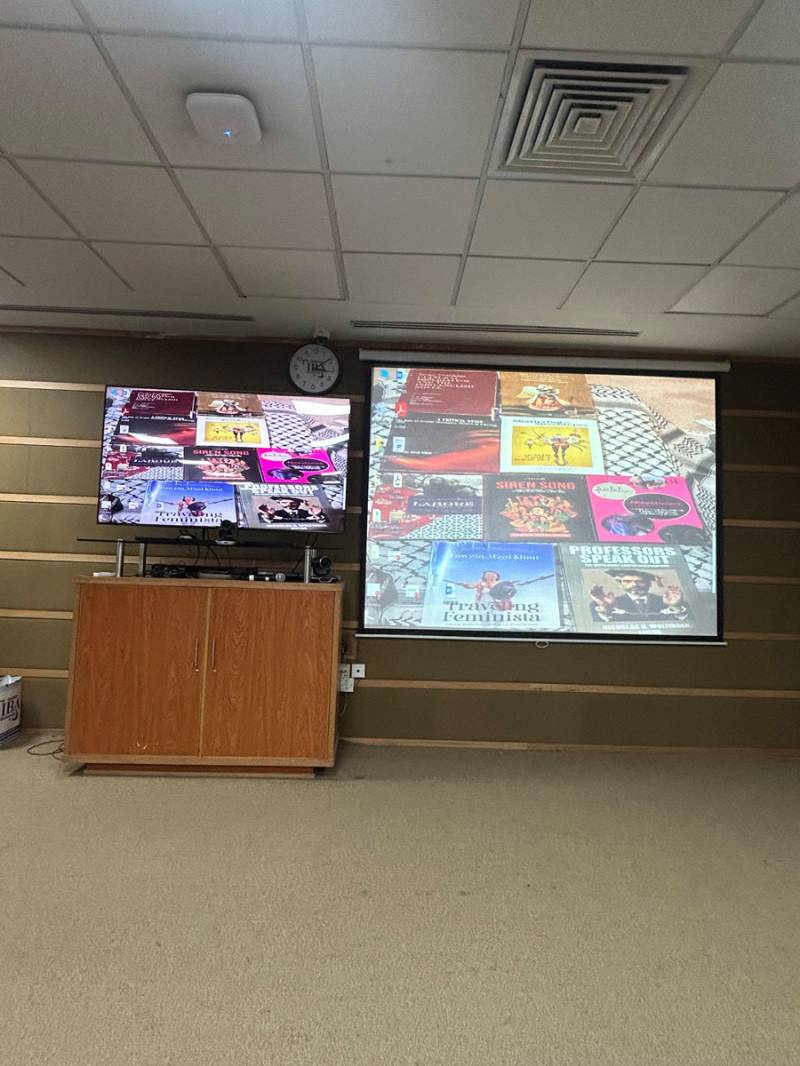
Over a four-decades-long academic career, I’ve doggedly pursued grants and fellowships that have permitted me to return de temps en temps to the country of my birth and to have had the chance and privilege not only to teach students and work with colleagues I admire "back home," but also to develop a body of scholarship resulting in eight book publications to date. This scholarship has tried to mine ethically the fertile terrain of cultural politics in Pakistan, especially theatre and music.
Hence, racing over to Lahore during my spring break here on a jet plane that miraculously departed JFK despite the major disruptions caused by imperialist US/Israeli military adventurism in Iran and the counter-attacks it provoked just as I left, I landed in Lahore for the second time in two years on the heels of war. Last year I had arrived the night before India attacked Pakistan — an eerie harbinger of the US/Israeli attacks this year, indicating the increasingly Wild West world ours is harkening back to.
The Pakistan Army's own attacks on neighbouring Afghanistan put paid, most unfortunately, to one of the two Thinkfest-sponsored talks I was slated to give at a women’s university in KPK (Khyber Pakhtunkhwa) even before my arrival, citing security concerns.
However, the day after I landed, two young men working for Thinkfest (one a social media journalist tasked with publicising the activities of the upcoming event, the other an administrative assistant) picked me up for a crazy nine-hour ride by road to Sukkur. During the drive, our driver regaled us with song and scary stories of dacoit-infested areas of Sindh province (in which Sukkur is located) as we approached a point notorious for attacks on travellers just as the sun was setting.
The students from Chaghai had been selected to come to this university in Sukkur, in neighbouring Sindh province, for a residence period of five months to provide them with exposure to a university environment
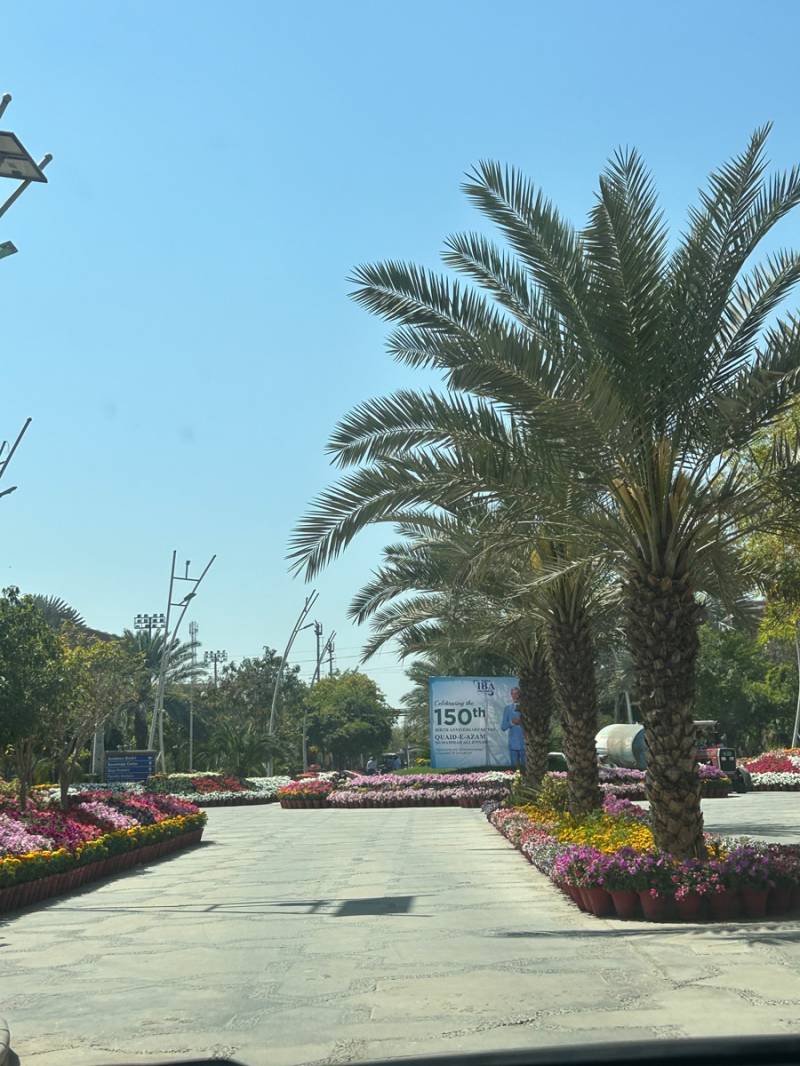
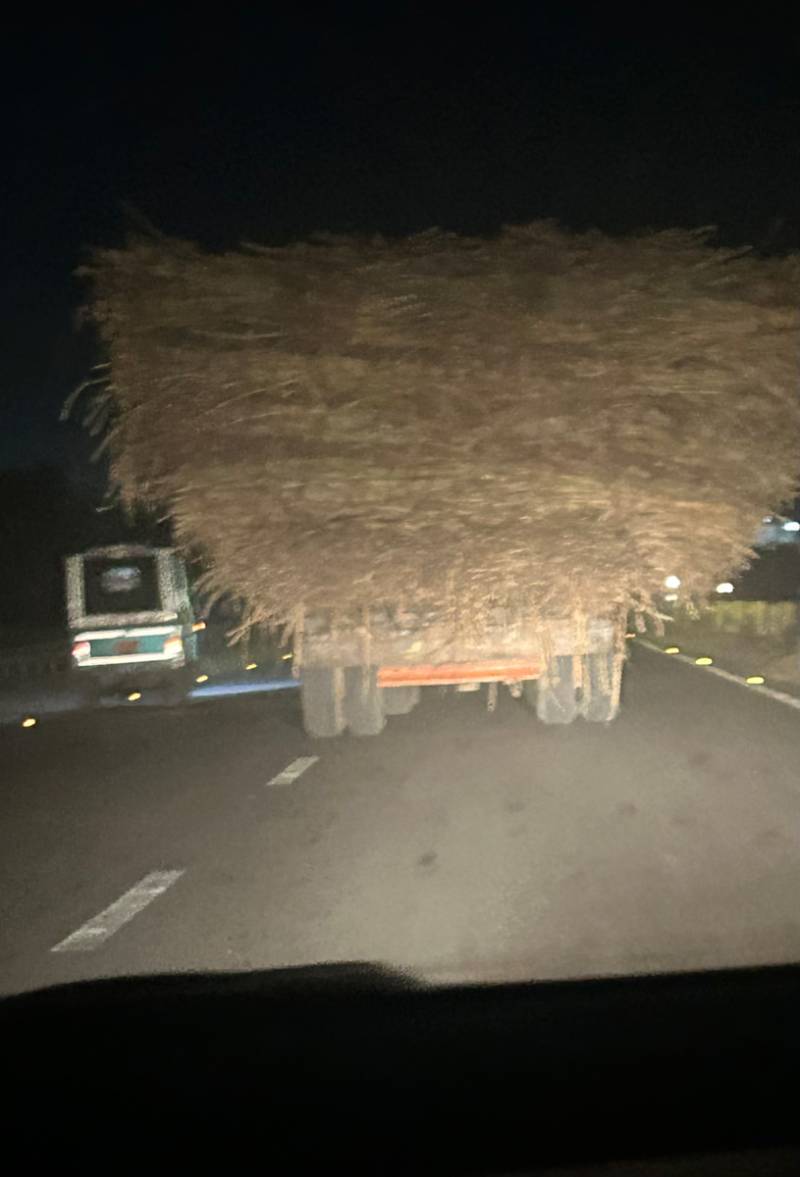
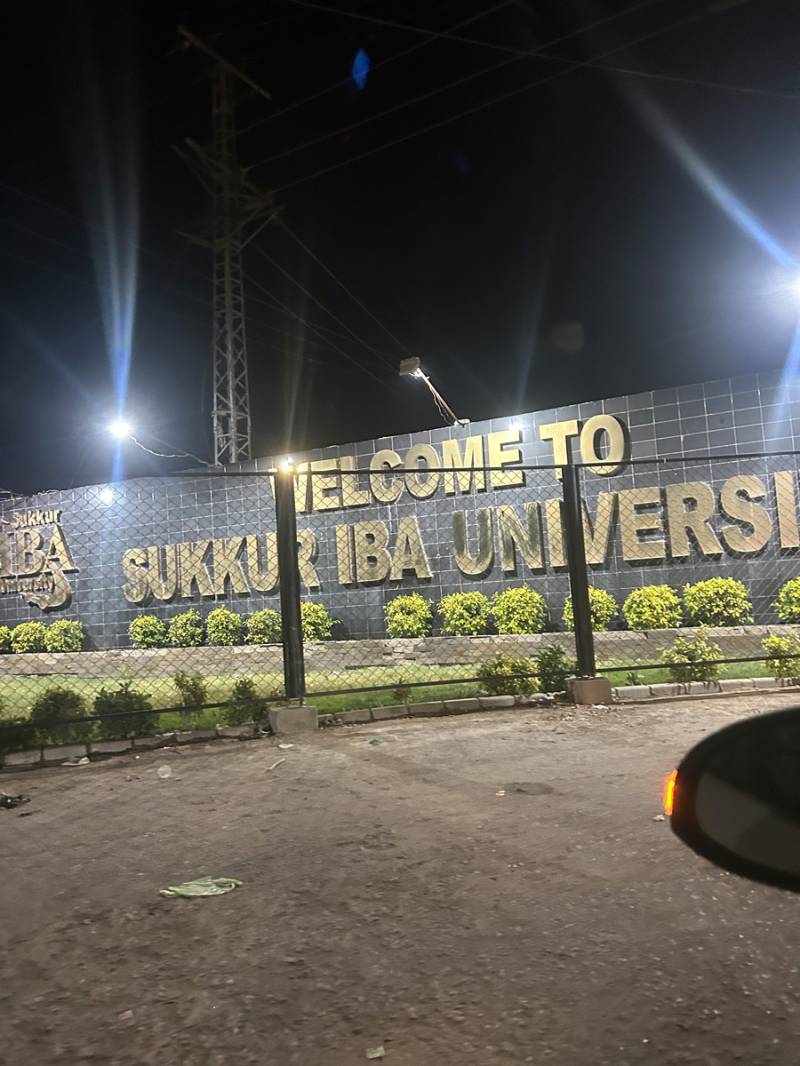
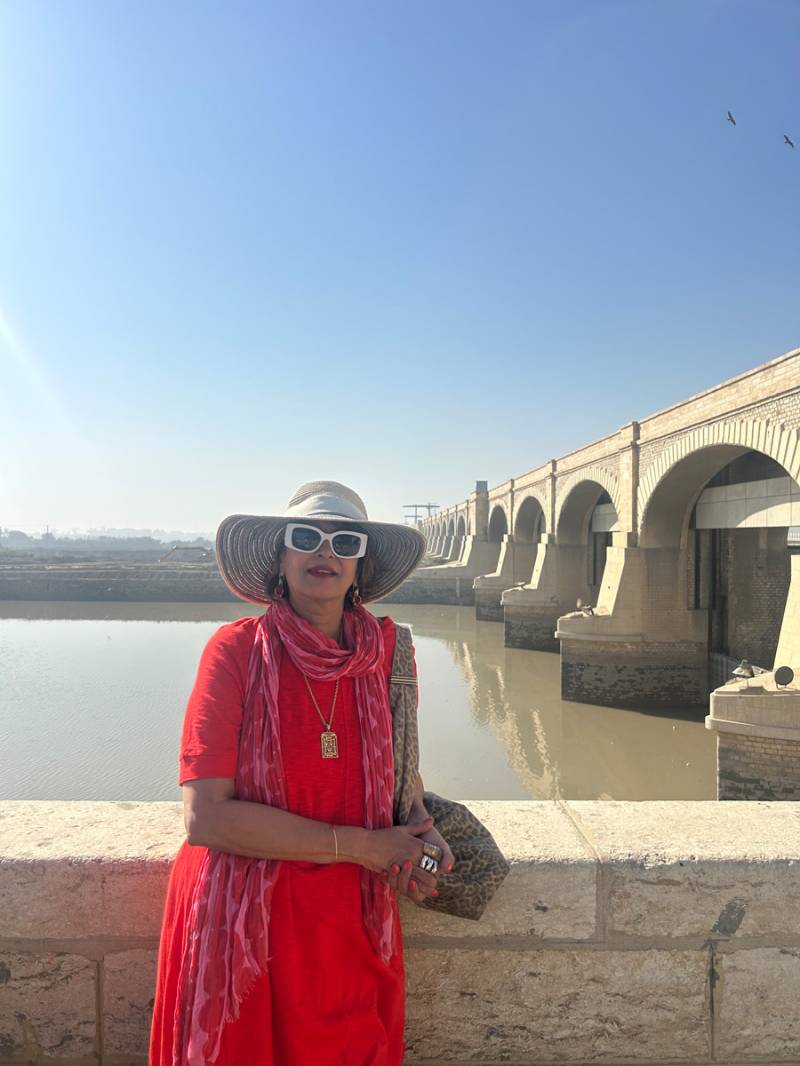
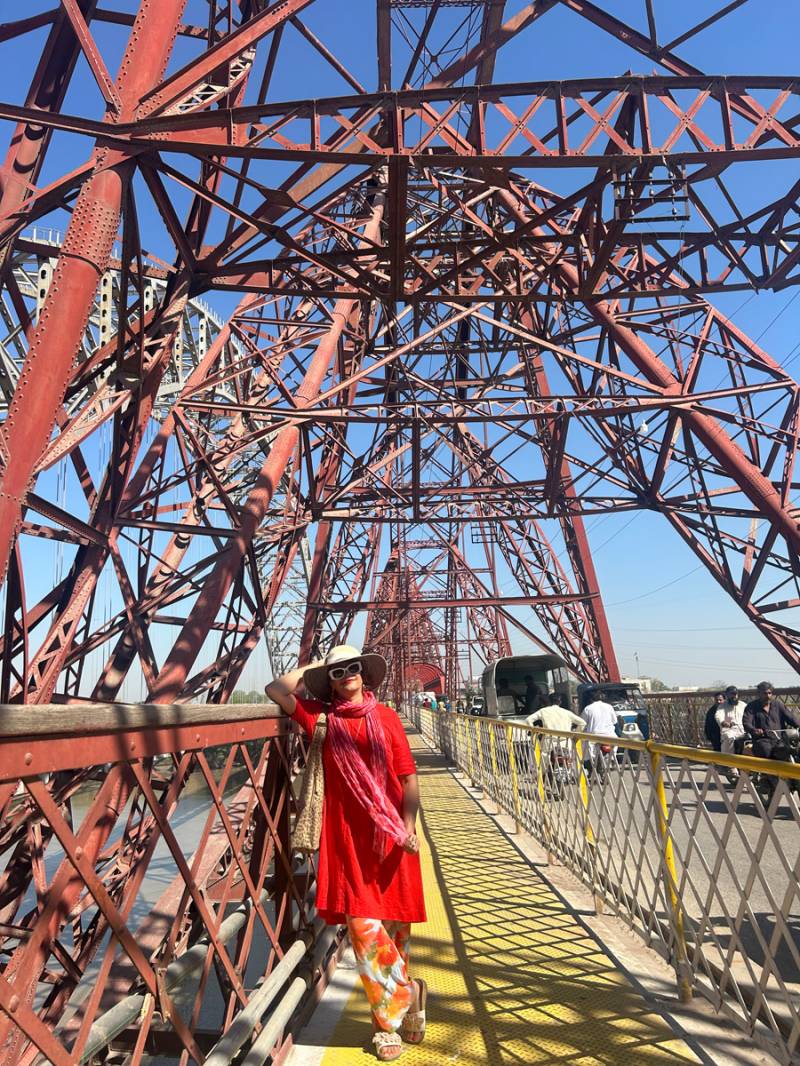
Apparently, the Sindh government had finally dealt with the "problem" late last year, and so now, according to the driver, we were "safe." Not sure I felt much reassured! Pulling into Sukkur behind lorries overladen with sugarcane, a small city famous for two British-era colonial landmarks — Sukkur Barrage (which has essentially ruined local ecology and rendered the Indus River dolphin an endangered species) and the (still) wondrous Lansdowne Bridge, the longest cantilever bridge of its time (1889) — we heaved a sigh of exhausted relief at the big welcome sign of Sukkur IBA University, within whose ambit our hotel lay.
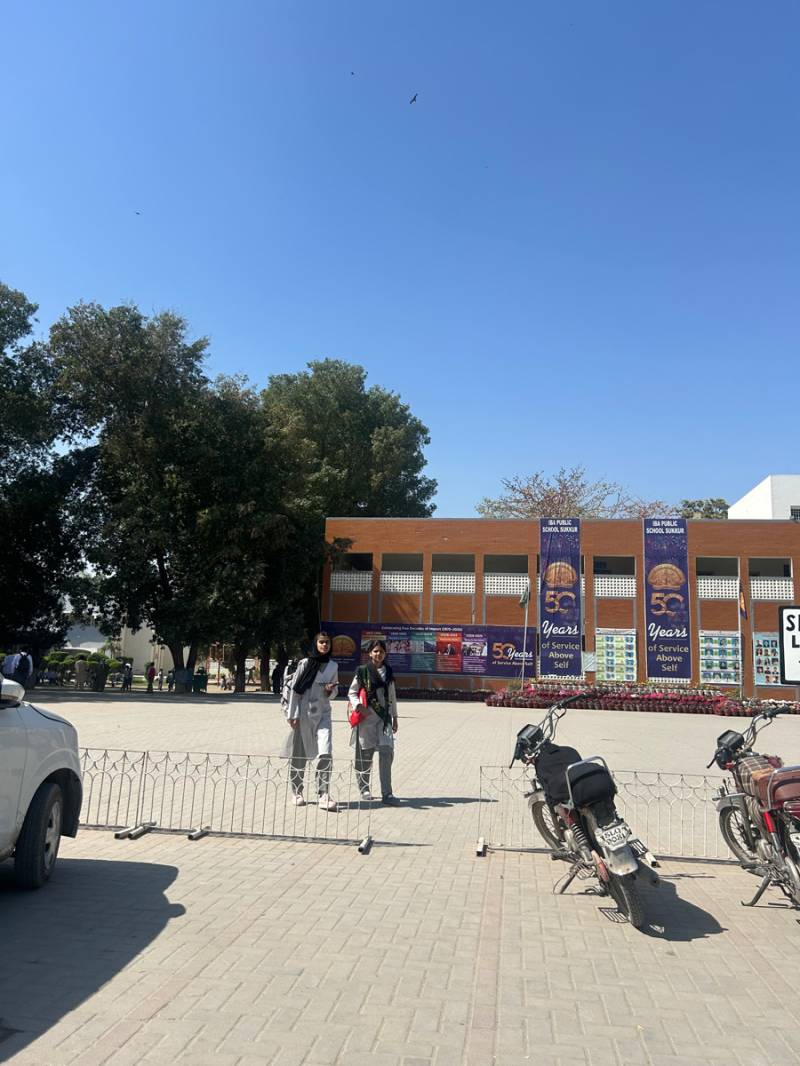
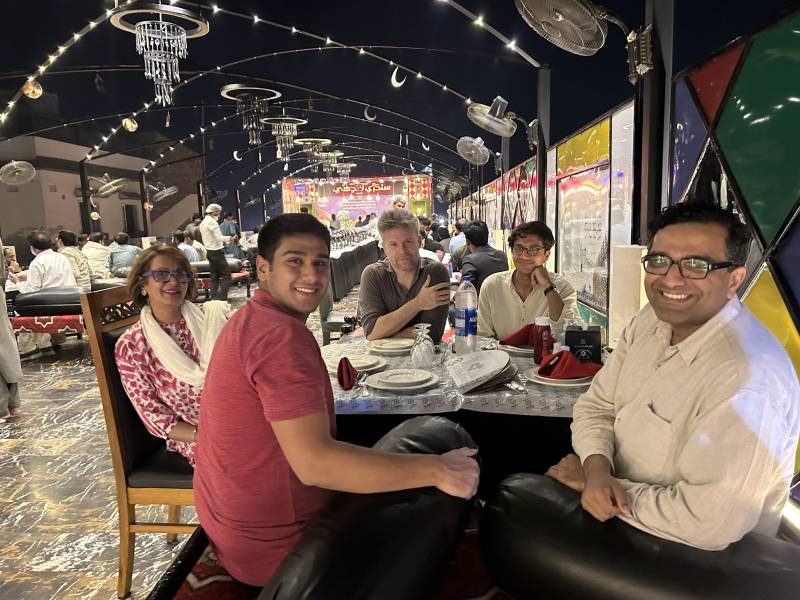
After checking in, we were met by Yaqoob and the second of three scholar-speakers lined up for the Thinkfest panel the next afternoon. They had also just driven down from Karachi. Over a surprisingly delicious dinner (our elitist sensibilities had low expectations for local fare!), I learnt that the other speaker was an Austrian scholar employed at the Frei University in Berlin, running an institute funded by a multi-year grant he'd received to the tune of several million dollars from the German government.
He spoke impeccable Urdu and informed me that his current area of research (which he would be presenting on) was forced conversions in Hindu-Muslim marriages, with Hindu girls (from a tiny religious minority) being forced to convert to Islam if they wished to marry Muslim boys. His research meant to complicate the narrative around the concept of "force."
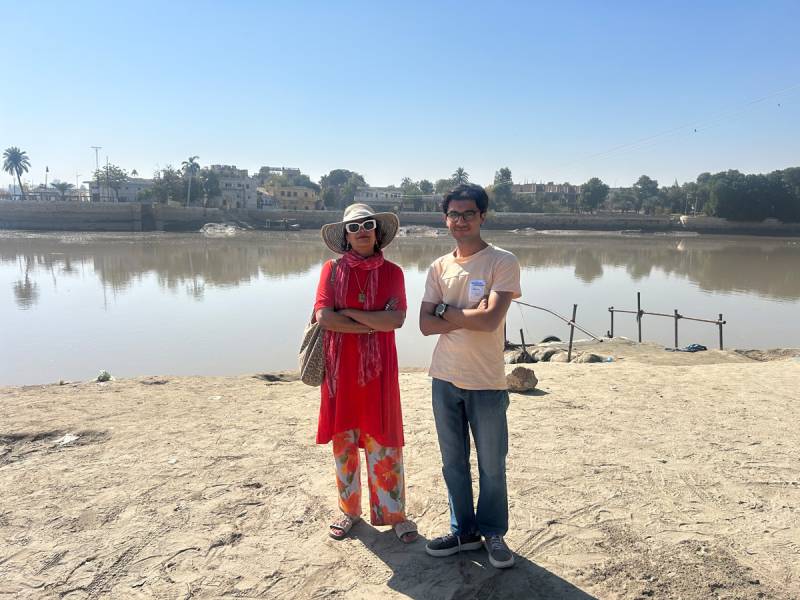
After a morning spent visiting the colonial remnants of the hot and dusty city of Sukkur in the heart of Sindh, where we glimpsed the Sadhu Bela island on the Indus, home to a complex of ancient Hindu temples, and also visited a local secondary school, we all convened at the hall where the afternoon seminar was to be held. The third panellist was a local scholar whose work focused on women’s bargains with and resistances to patriarchy within kinship structures in rural Sindh.
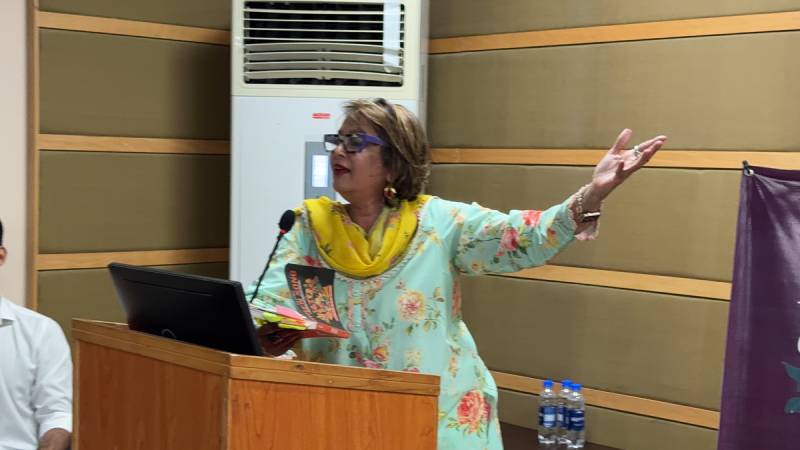
After the obligatory qirat (Quranic recitation) by a young male student, followed by customary introductions from Yaqoob Bangash, I started off the session with a bilingual and interactive exchange with the audience, comprising faculty and administrators but, more importantly, male and female students from a fairly remote part of Balochistan called Chaghai.
The latter is the largest district in Pakistan area-wise, located in northwestern Balochistan along the Afghan and Iranian borders, and is famously known as the site of Pakistan's first nuclear tests in May 1998, which solidified Pakistan's status as a nuclear-armed state. The students from Chaghai had been selected to come to this university in Sukkur, in neighbouring Sindh province, for a residence period of five months to provide them with exposure to a university environment. An event like Thinkfest was supposed to be part of that learning experience, especially listening to and interacting with reputed scholars such as ourselves.
Given these parameters, I thought to share with these young minds of the future my own intellectual journey, tracing challenges and triumphs I'd experienced from my humble beginnings as a young Muslim girl raised in a modest urban family in Lahore, Pakistan, to becoming first a graduate student who ended up getting her PhD in English in the heart of the US Empire, to then settling down to a professorial career there over the span of almost half a century, becoming a University Distinguished Scholar in due course, in addition to marrying a fellow Pakistani immigrant and raising a Pakistani-American family.
What were my motivations? My fears? My desires? What did I learn about myself as a result of both physical uprooting and the mental and emotional process of self-questioning that such a process of change engenders? What were lessons I could usefully share about the cultural imperialism that led me in search of feminist freedom to Western shores, how I evolved, and what I learned about the racialised sexism that coexists comfortably within classed and gendered late capitalist modernities in the Western nations we were conditioned to admire and desire to emulate as colonised subjects of history?
The question that unsettled me then and has stayed with me since the event was posed by a female student wearing a black niqab covering her face so that I could not see her facial expressions. She asked, and her tone came across as hostile to me, "Why are you and these other speakers here? What is the purpose of your interventions?
How were religiously-inflected nationalisms such as those instantiated through the Pakistan Movement (egged on by Hindu-dominated ideologies on the Indian side during the subcontinent’s war of Independence from Britain) also linked to questions of gender, class, and minority rights in post-Partition Pakistan? How, in my latest scholarly book Siren Song: Understanding Pakistan Through its Women Singers (OUP 2020), did music and its practitioners — especially women singers on the Pakistani side of the divide after 1947 — fare in a Muslim state that needed to explain/understand itself in opposition to Hindu-majority India and its embrace of the musical and performing arts?
What role did masculinist and elitist nationalist ideologies elaborated by Muslim and Hindu male elites play in the curtailing of formerly Muslim-dominated musical arts? How did the respectability politics of Muslim households in post-Partition Pakistan curtail the desires of young girls like myself of the ashrafiya classes to pursue our passion to embrace careers as singers? How did I negotiate my passage from Pakistani patriarchy to the heteropatriarchal racism of the capitalist USA? What changing meanings did feminism accrue in these different contexts?
What ensued in a lively exchange with the students, as I laid out some of my analytic concerns and questions outlined above, were their agreements as well as disagreements with some of my observations. One articulate female student in particular seemed delighted to hear me elaborate on ideas that felt iconoclastic to reigning religious and nationalist orthodoxies, which have become quite entrenched after the Zia-ul-Haq decade of (so-called) Islamisation, which dealt a blow to both performing and plastic arts as well as to the human and citizenship rights of women and minority subjects in Pakistan.
This young woman challenged a young male student’s critique of my contention, claiming a central position for music in the culture of Pakistan, including my validation of the courage exhibited by the early generation of Pakistani women singers in the face of much class prejudice that was overlaid with pietist arguments of a hypocritical society.
I too reminded this young man, who argued that music was forbidden in Islam and that I was therefore wrong in promoting it (implying that it was perhaps a consequence of my being steeped, after all, in "Western culture") that in fact, the male qirat reciter who had preceded me was "singing" a verse from the Quran was he not? And surely Nature itself, like birdsong created by the Almighty, was alive with the sound of music?
A professor of Islamic Studies at the university then piped up, bringing in the example of Imam Al Ghazali, a 12th-century Sufi mystic who is credited with integrating Sufism with Shariah and who argued against a blanket prohibition of music, famously questioning how one could ban the "songs of birds." Al Ghazali maintained that music, poetry, and song are essentially permissible if they are used to bring the heart closer to God.
But the question that unsettled me then and has stayed with me since the event was posed by a female student wearing a black niqab covering her face so that I could not see her facial expressions. She asked, and her tone came across as hostile to me, "Why are you and these other speakers here? What is the purpose of your interventions?"
Hostile or not, hers was, after all, a legitimate inquiry about our motivations and those of our host organisation, Thinkfest. While all of us went into overdrive "explaining" the lofty mission of Thinkfest Afkar-e-Taza which aims to encourage students to think in new/fresh ways about the world around them by bringing scholars like myself to share our putatively mind-expanding research with them, the real question she was asking was about our intentionality and the remnants of cultural imperialism we could be accused of recycling in "new" ways. At one level, she was accusing us of being native informants in the knowledge production industry and hence questioning our progressive credentials. Progressive for whom?
I was looking forward to the next visit on my slate, to a Government university in the Narowal district of southern Punjab (both IBA Sukkur and this university are public-sector institutions). Here, I felt, would be a chance to explain the stakes of my activist scholarship that has indeed pursued a progressive vision of social justice from Pakistan to Palestine in my scholarship and pedagogy throughout my career.
I was especially looking forward to co-presenting with Muneeza Hashmi, one of Faiz Ahmed Faiz and Alys Faiz's two talented daughters, as Faiz and his British-born wife were lifelong socialists who also fully embraced the cause of Palestinian liberation. Faiz had gone to live in Beirut from 1978–82 to take up the editorship of The Lotus, a journal of Afro-Asian solidarity that carried on a fight in the realm of literary and artistic production against the cultural imperialism and political hegemony of the West, especially the United States.
My intervention in Narowal then would have helped me explain to my audience (and perhaps myself) my progressive vision and efforts towards a fairer world built on secular socialist principles rather than pietistic ideologies.
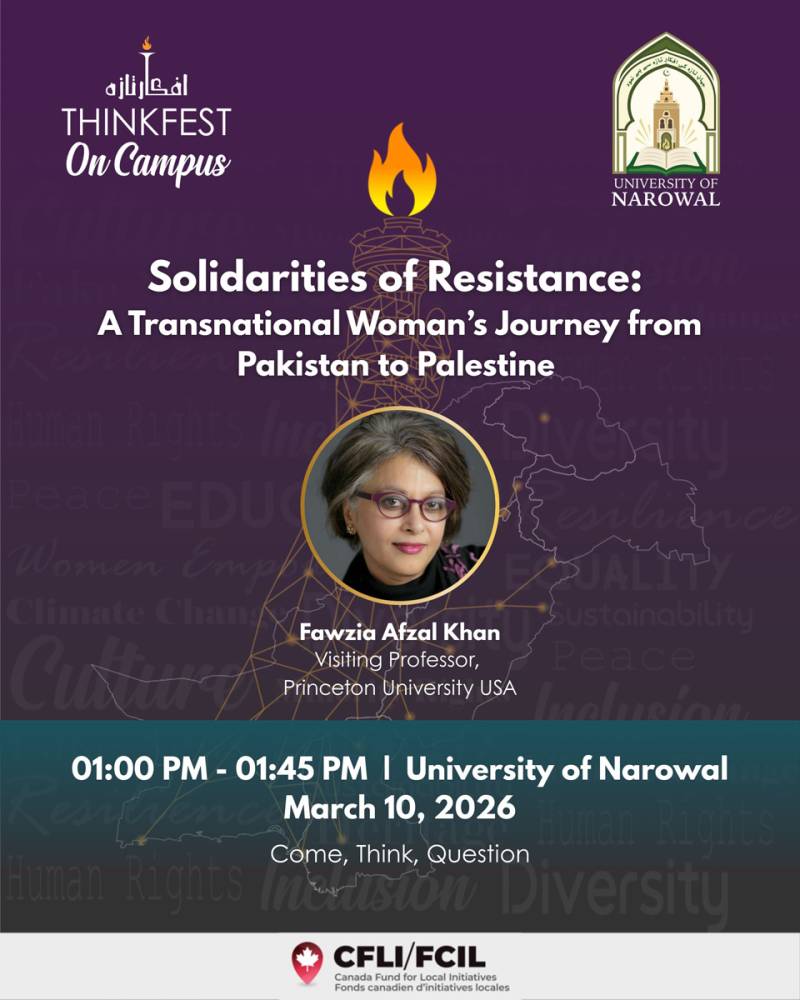
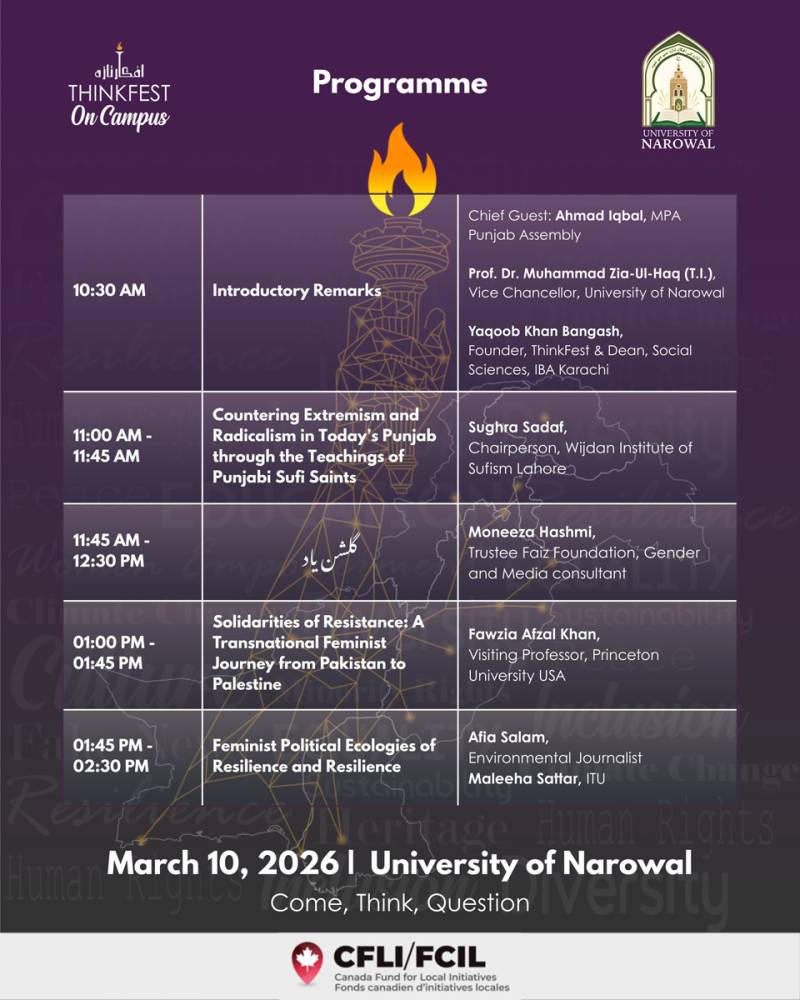
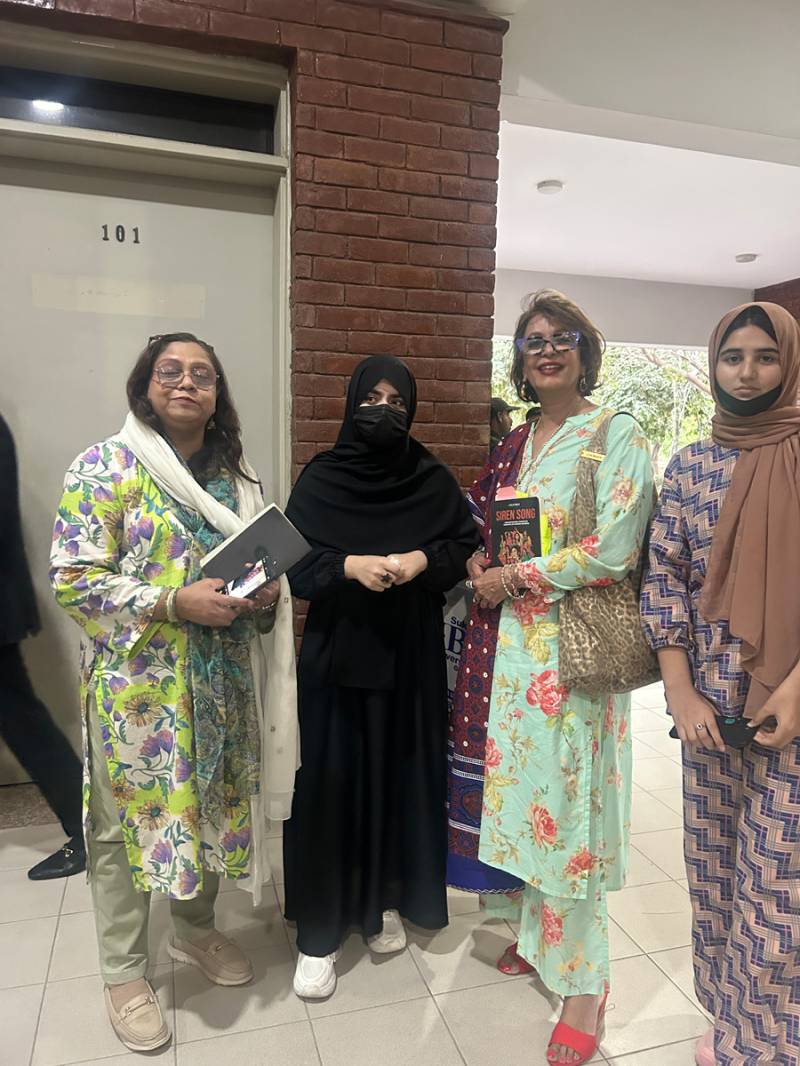
Unfortunately, the continued ferocity of the US/Israeli war machine's increasingly unhinged and illegal attacks on Iran targeting its oil production facilities, expanding the war in Gaza to the entire region of the Middle East, led the Government of Pakistan to shut down all schools, colleges, and universities in a bid to "conserve energy."
The supply of approximately five litres of gas and diesel fuel daily from Iran, mostly through informal smuggled channels, is crucial for Pakistan's energy needs. Realising this unjustified war could drag on indefinitely, the Pakistani government decided to err on the side of caution.
Thanks to an increasingly unstable geopolitical environment instigated at the behest of Zionism's imperialist expansionism in cahoots with the goals of (a dying) US Empire, all bets are off. Education, and the promise of a better, more critically engaged life that its pursuit proffers, has become one of the many casualties in this ruinous revival of the Wild, Wild West.