

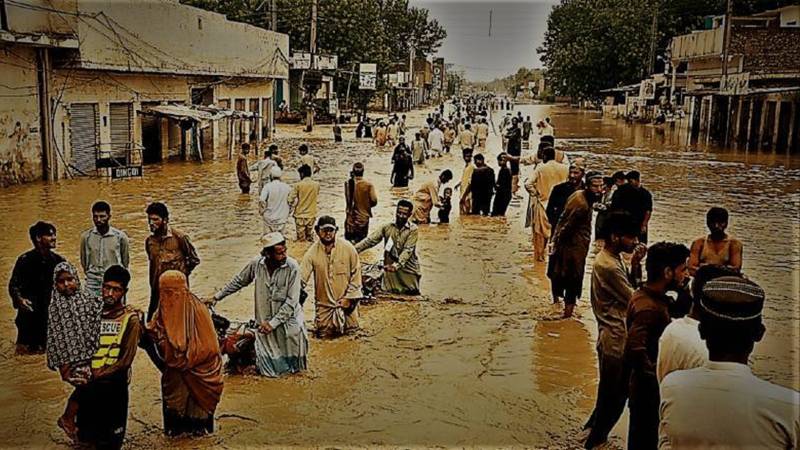
We are running out of time to address global warming. Even after years of climate talks, international agreements, and commitments from countries, greenhouse gas emissions have yet to decrease significantly. The impacts of this phenomenon are becoming increasingly evident, including rising temperatures and extreme heat, as well as floods and droughts that are putting pressure on food and water resources.
In its recent Emissions Gap Report released on the 14th of October 2026, the United Nations Environment Programme (UNEP) has issued yet another alarming alert. As per the report, if the present trend continues, the world may reach up to 2.8°C of warming by the end of this century. If all the state parties implement their climate pledges in full, the temperature could still reach 2.6°C. This number is of great importance as every degree of temperature rise increases the risks affecting the vulnerabilities of populations, economies, and environments. The report also stated that to stay below the 1.5°C temperature increase threshold, it will be necessary to achieve greater reductions in greenhouse gases.
For Pakistan, this discussion is not mere international discourse. Climate change has direct consequences regarding agriculture, water security, public health, infrastructure, and the economy of the country. Although Pakistan cannot resolve climate change alone, it should not miss opportunities to take action on its own territory.
The World Is Not Cutting Emissions Fast Enough
The UNEP report for 2026 makes one thing very clear – current worldwide efforts do not suffice. Countries have voiced their intention to reduce emissions, yet the necessary policies and actions remain inadequate to fulfil those intentions. In order to follow a pathway consistent with the hope of returning the temperature increase to 1.5°C in 2100 after a period of overshoot, it is necessary to achieve an 18% reduction in global greenhouse gas emissions by 2030, a 45% reduction by 2035, and a 69% reduction by 2040, compared with 2025 levels. Such reductions are considerable, and they imply that governments should turn from promises to action.
Global warming will not wait until Pakistan becomes more prosperous, developed, or prepared
The good news is that success is possible. Solar and wind energy have been growing rapidly, with a number of countries adopting climate-friendly measures aimed at emissions reduction. It is clear that renewable energy should play a more significant role globally. However, positive developments in some areas cannot compensate for slow progress in the economy as a whole. Governments should take action in a number of spheres to make the transition to renewable energy quicker, raise energy efficiency, reduce dependence on fossil fuels, and find ways of protecting forests.
The problem of global climate change is a larger issue than just being an environmental issue. It is an economic and social problem as well. High temperatures could put people in the situation of an increased number of diseases and less productivity. Floods could destroy houses, roads, bridges, and farms. Droughts cause problems in the sphere of food production and drinking water supply. The expenses for overcoming the consequences of disasters may create a heavy load on the state budget. The world still has time for mitigating the consequences, but with each year of delay, it becomes more complicated. Therefore, measures connected with the issue of climate change must become a priority in governmental budgets, energy planning, and production development.
Why Pakistan Cannot Afford to Wait
Pakistan is prone to climate disasters. The floods of 2022 have proved how weather events can destroy communities, agricultural land, roads, houses, and infrastructure. Additionally, continuous spells of extreme heat and changing rainfall are becoming a cause of concern lately. For an agricultural country like Pakistan, its vulnerability to climate change poses an imminent threat. Farmers rely on reliable water sources, favourable temperature conditions, and timely rainfall in order to be able to produce crops. If these conditions change, yields of crops and livestock decline, disposable incomes fall, and prices for food rise.
Water security is another major concern for Pakistan. The country faces problems with water management as it is. Rising temperatures increase evaporative losses and water demands on one hand, while the changes in precipitation patterns and ice melt increase the complexity of water management on the other. Improved control over rivers, lakes, aquifers, and irrigation systems is paramount. Cities are facing increasing pressure as well. Extreme heat can lead to dangerous conditions for residents, especially outdoor workers, children, elderly people, and poor people who do not have air conditioning and the means to survive during extreme weather events.
This situation demonstrates the necessity of climate adaptation and emission reduction in the context of Pakistan. Adaptation is the preparation of communities, infrastructure, and public services for climate impacts that need to be dealt with. Emission reduction is the reduction of greenhouse gases that cause global warming. Although Pakistan's share in the history of emissions is negligible, this does not exempt the country from taking action. Energy waste minimisation and elimination, creation of transport infrastructure, and investment in clean energy will benefit Pakistan while contributing to global efforts in fighting climate change.
At the same time, the country needs financial and technological support for combating the crisis. Wealthy countries bear a much bigger responsibility for greenhouse emissions since they are richer and bigger polluters. Developed nations must fulfil their climate funding obligations and help less developed countries to develop resilience. Pakistan must make sure that the negotiations on climate at the international level will lead to possibilities of getting funding, technologies, and knowledge.
Pakistan’s Energy Choices Can Make a Difference
One of the best ways for Pakistan to address global warming is to improve its energy production and utilisation methods. The energy decisions that are made now will shape the future of the country’s emissions, economics, and energy security. The possibility of exploiting solar and wind sources of power is important. Pakistan has great potential to utilise renewable energy resources, which will help decrease dependence on imported fossil fuels. However, the development of renewable energy sources should be accompanied by better grid planning, energy storage, and reliable energy supply and demand management.
Energy efficiency is equally important. The use of energy-efficient appliances, design, and control systems can often help buildings and facilities save energy. It will not only save energy costs for homes, companies, and government establishments but will contribute to the reduction of emissions as well. The importance of transport should not be overlooked. Cleaner public transport, railways, and better mobility can solve some of the fuel consumption and environmental pollution issues on roads.
Another thing Pakistan could do is focus more on technology. Digital monitoring of energy consumption and artificial intelligence should help detect waste, predict energy demands, and improve the operations of buildings, industries, and transportation systems. Although these technologies cannot replace decent policies and investments in the business sector, they can assist decision-makers in utilising resources. In the same vein, Pakistan should pay attention to climate adaptation methods, such as better flood management, improved drainage, stronger infrastructure, efficient irrigation, early warning systems, and forest protection. All the climate risks should be taken into account while planning roads, settlements, power systems, and other constructions.
It should be remembered that all planned strategies should be enforced without delay. Federal and provincial governments must understand their goals, responsibilities, and reporting issues. This must involve universities, researchers, companies, and communities. Pakistan does not need to face many problems at the same time. Instead, it needs to focus on the most urgent problems.
The recent UNEP report is alarming but packs a positive message that climate policies can be effective. The greatest challenge is finding a way to put successful practices into operation quickly enough to alter the current path of development. Global warming will not wait until Pakistan becomes more prosperous, developed, or prepared. It should tackle the task of ensuring the protection of its population and economy by taking the right decisions concerning energy, infrastructure, and natural resources.
It is the responsibility of the world to diminish the scale of greenhouse gas emissions, while key polluters should act faster. Pakistan, on the other hand, should work on improving its own policies and preparing for climate change threats and turning to its renewable energy alternatives.
The cost of action is real, but the cost of delay could be far greater. Pakistan cannot afford to wait.