

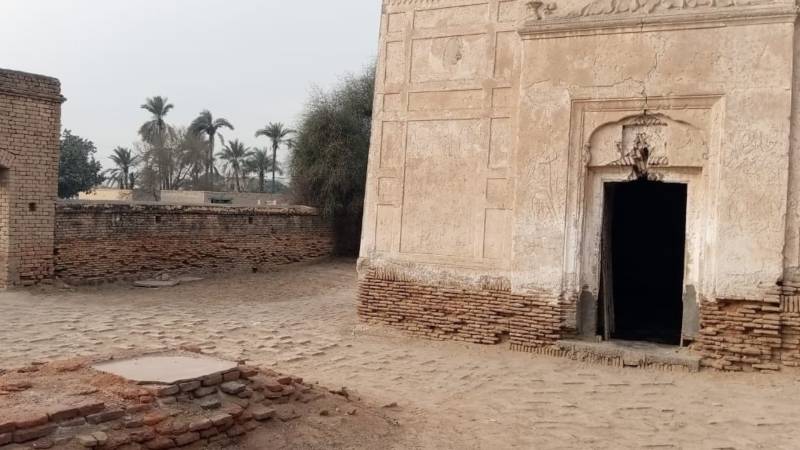
Nestled in the heart of Layyah Punjab, Pakistan. It is situated approximately 18 kilometers from Layyah in Chak Sahuwala, within Union Council Sahuwala, this temple is bordered by Korar City to the north, Layyah City to the south, the Indus River to the west, and Tail Indus and the Layyah route to the east. This strategic location, nestled amid the dynamic socio-geographical landscape of Punjab, underscores its importance as a religious and historical landmark. The Shiri Garu Mandir stands as a testament to centuries of cultural and religious history. This ancient Hindu temple, believed to have been constructed around 1526 AD. Originally built by Hindu Brahmins as a place of worship, the temple served as a sacred space for devotion and community gatherings for generations.
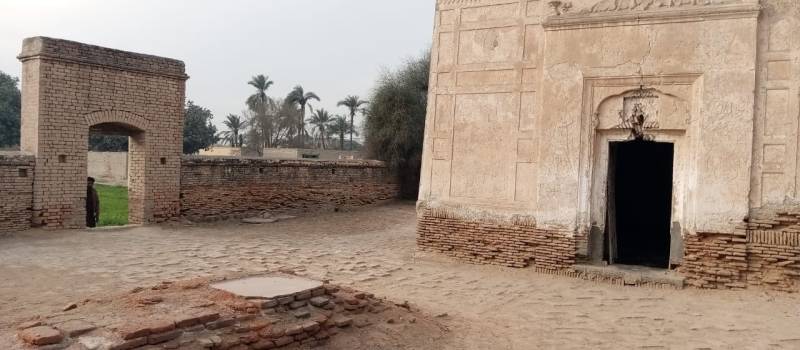
With the partition of 1947, the Hindu community of the region migrated to India, leaving behind this magnificent structure, which now falls under the administration of Mahkma Auqaf (Layyah). Despite the shift in demographics, the temple remains a significant cultural landmark, drawing visitors, researchers, and heritage enthusiasts eager to explore its deep-rooted past.
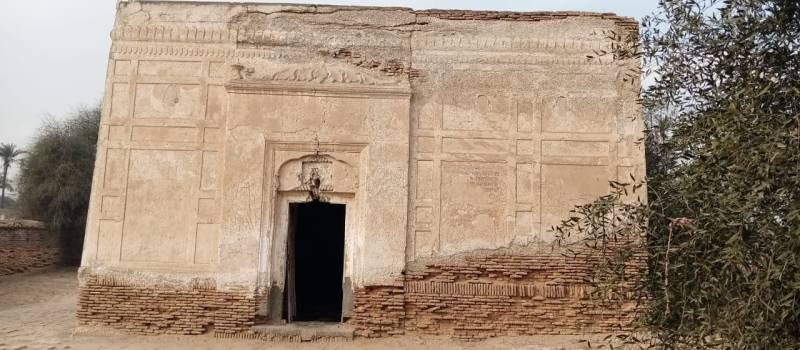
One of the most striking features of the Shiri Garu Mandir is its entrance gate, built with old bricks, reflecting the craftsmanship of an era long gone. The temple exhibits intricate carvings, ancient inscriptions in Hindi, and a distinctive architectural style that showcases the artistic excellence of its time. Inside, the diya-bati (oil lamps) tradition, a core aspect of Hindu worship, is still visible, evoking the sacred rituals once performed within its walls.
Proper conservation and restoration can transform it into a research hub for anthropologists, historians, and scholars interested in the intersections of religion, architecture, and culture in South Asia
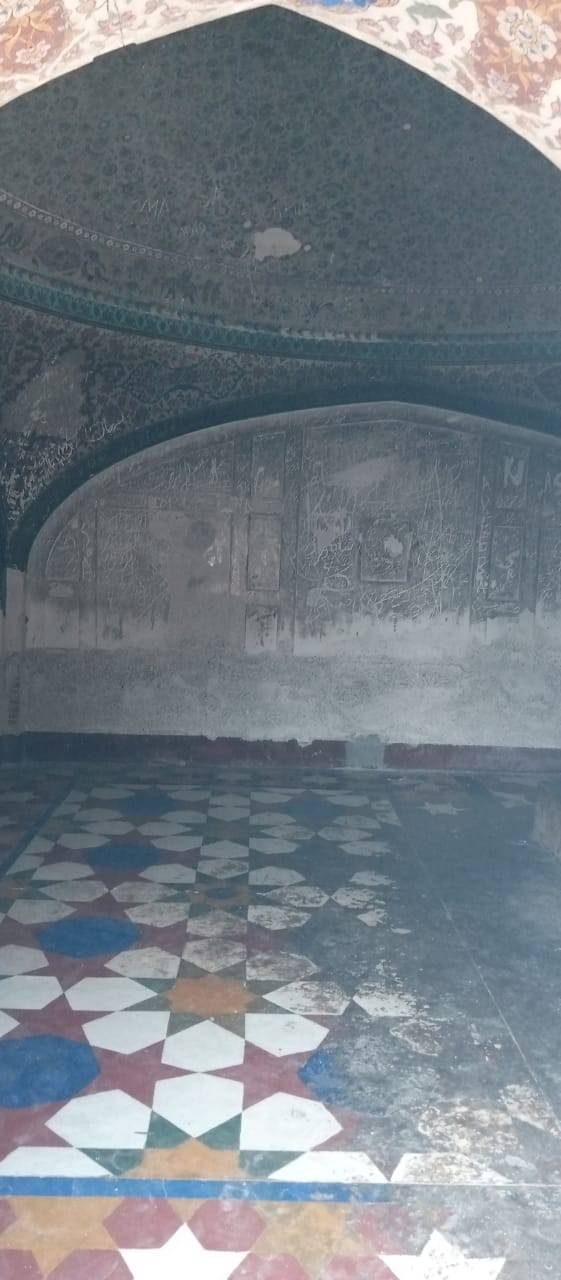
Believed to be associated with the divine manifestation of Devi, particularly during the month of Chet (spanning from March 14 to April 13). The structure, adorned with cultural motifs and images of deities (devta), is an invaluable piece of heritage that speaks volumes about the religious practices and artistic sensibilities of the Hindu community that once thrived in the region. The old writing style, visible in various inscriptions, offers a glimpse into the linguistic and literary traditions of the past, making it a crucial site for researchers and historians.
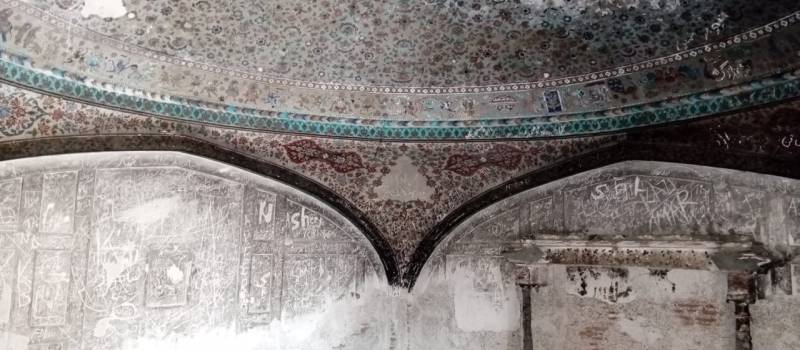
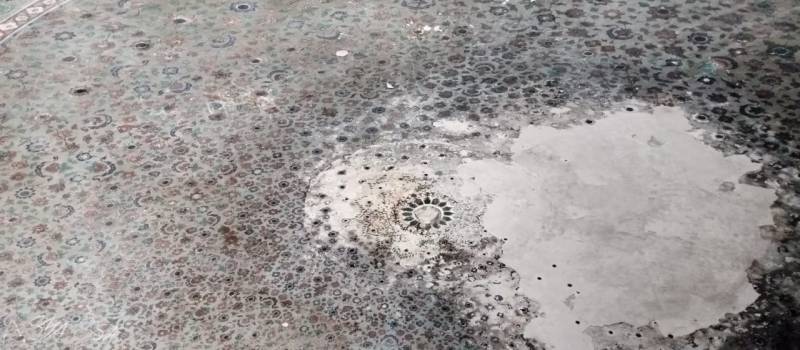
Currently, the temple is under the stewardship of the Aukaf Department, with custodianship largely managed by the Juglani family of Chak Sahuwala. Despite being a protected structure in theory, the temple faces challenges such as environmental degradation, infrastructural neglect, and a lack of systematic conservation efforts. Local authorities and heritage enthusiasts continue to advocate for its preservation, yet the tangible progress remains limited. Despite its historical and cultural significance, the temple stands in need of urgent preservation efforts. Time and neglect have taken a toll on its structure, making it imperative for authorities and heritage conservationists to step in and protect this invaluable site. As one of the largest Hindu temples in the region, it has immense potential for tourism. Proper conservation and restoration can transform it into a research hub for anthropologists, historians, and scholars interested in the intersections of religion, architecture, and culture in South Asia.
Reaching Shiri Garu Mandir is relatively convenient due to the availability of local transportation options. Buses and auto-rickshaws frequently operate between Layyah City and Chak Sahuwala, making the site accessible for visitors and devotees. The temple’s proximity to major routes ensures that it remains connected to surrounding towns, facilitating pilgrimage and tourism alike. However, improving transport infrastructure could further enhance accessibility, promoting cultural tourism and heritage conservation efforts. Visiting Shiri Garu Mandir is not just a journey into the past; it is an experience that allows us to appreciate the shared history of diverse communities that once coexisted in this land. By safeguarding such sites, we ensure that the legacy of our ancestors continues to inspire future generations. The Shiri Garu Mandir is more than just an old structure; it is a living relic of history, culture, and faith. In a rapidly modernizing world, protecting such monuments is essential for maintaining the cultural fabric of our society. As researchers, travelers, and heritage enthusiasts, we must advocate for the preservation of these historical treasures before they fade into oblivion.