

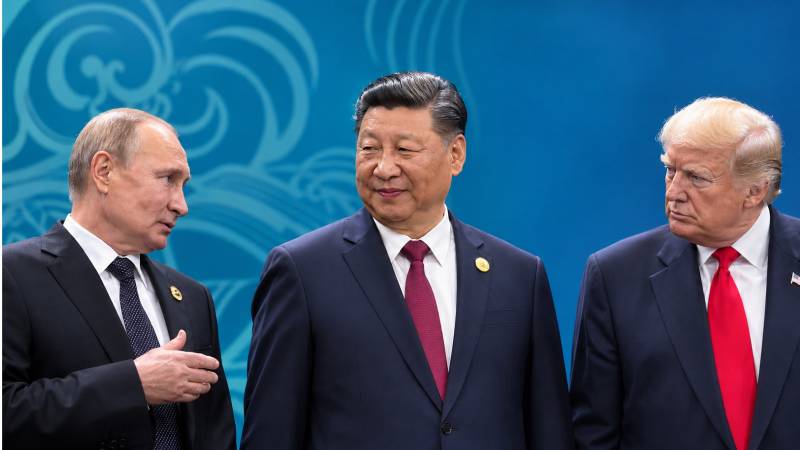
The much-publicized three-leader meeting on the sidelines of APEC was billed as a potentially significant moment in international diplomacy. Some even called it a Yalta 2. With tensions simmering between major powers, expectations were high that bringing the leaders of China, the United States, and Russia together under one roof might produce tangible progress on some of the world's most pressing challenges. Yet, when the headlines faded and the carefully choreographed photographs were filed away, the gathering appeared to be less a breakthrough than a diplomatic exercise in optics. Far from reshaping global politics, the summit felt like a non-starter that ultimately ended in anticlimax.
Supporters of the meeting point to the symbolic value of dialogue. In a world increasingly characterized by geopolitical rivalry, simply having major leaders engage face-to-face can help reduce misunderstandings and maintain channels of communication. However, symbolism alone cannot be mistaken for achievement. The key question is whether the talks produced meaningful commitments or concrete policy changes. Judging by the outcomes, the answer appears to be no.
Each participant seemed to leave the meeting emphasizing different narratives that suited their own domestic and strategic interests. China highlighted its role as host and diplomatic convener, projecting an image of responsible leadership and international engagement. The United States focused on discussions surrounding global security concerns and economic cooperation while also drawing attention to commercial agreements reached during the broader presidential visit to Asia. Russia, meanwhile, portrayed the meeting as an opportunity to re-engage with major powers and demonstrate that it remains a relevant player on the international stage. The mantra remains: engage and re-engage without something good and concrete coming for the common people of any nation for that matter.
What is striking is that all sides claimed some measure of success, yet none appeared willing to make significant concessions or policy adjustments. That alone suggests the summit was more about managing perceptions than solving problems. When every participant walks away declaring victory while no major issue is substantively advanced, observers are justified in questioning the real value of the encounter.
The world's most complex challenges cannot be addressed through carefully crafted statements and diplomatic photo opportunities alone. Issues such as strategic competition, regional security concerns, economic disputes, and military tensions require difficult negotiations, compromises, and follow-through. None of those elements seemed to emerge from this meeting in any significant way. There was no landmark agreement, no transformative initiative, and no clear roadmap for resolving long-standing disagreements.
The anticipation surrounding the gathering also contributed to the sense of disappointment. Media coverage and diplomatic commentary before the event often suggested that it could represent a pivotal moment in international relations. Expectations were elevated precisely because relations among major powers have become increasingly strained in recent years. Against that backdrop, even modest progress would have been welcomed. Instead, the outcome appeared largely limited to reinforcing existing positions rather than bridging differences.
This is not to say that dialogue is unimportant. Continued communication among world leaders remains essential, particularly during periods of uncertainty. Diplomacy often advances incrementally, and not every meeting can produce historic breakthroughs. Nevertheless, there is a difference between maintaining communication and creating the impression that a significant turning point is at hand. The latter raises expectations that, when unmet, can undermine confidence in the diplomatic process itself.
In the end, the APEC leaders' meeting may be remembered less for what it achieved than for what it failed to achieve. It generated headlines, photographs, and competing narratives, but little evidence of substantive progress. For those hoping that the summit would alter the trajectory of international relations, the results were underwhelming. The gathering served as a reminder that diplomacy without meaningful outcomes risks becoming little more than political theatre. That is why the meeting can fairly be described as both a non-starter and an anticlimax: long on symbolism, short on substance, and ultimately unable to deliver the breakthroughs many had anticipated. There is no clear new world order yet.