


Pakistan is no longer approaching a climate emergency; it is experiencing its consequences in real time. From erratic weather patterns and heat waves to declining groundwater and accelerating deforestation, ecological stress is becoming visible across the entire country. As climate scientists warn about the disruptive effects of a potential Super El Niño event, Pakistan faces an intersecting crisis of forest degradation, institutional weakness, and unsustainable development priorities.
Nowhere is this battle more critical than in Khyber Pakhtunkhwa, the custodian of Pakistan’s forests, which once hosted 26% primary forest cover but has declined over the past decades. According to Global Forest Watch, “Khyber Pakhtunkhwa (KP) accounts for a disproportionate majority of Pakistan's total tree cover loss, contributing to over 50% of the nation's deforestation.
Officially, KP's forest cover percentage has shrunk from 20.3% in 2000 to around 16.4% in recent years. It continues to lose about 11,000 hectares (1.5% of its green cover) annually to illegal logging and urban expansion”. Furthermore, “between 2001 and 2025 the primary human-driven deforestation has been caused by illegal timber extraction, agriculture expansion, and mining,” it reports. Even a 1% loss of forest cover can be linked to increased flood risks and climate vulnerability, and as these numbers show, Pakistan's tree cover is disappearing at an alarming pace.
When Development and Conservation Do Not Align
Yet, as the state pivots toward massive infrastructure projects under the banner of eco-tourism, a fundamental question arises: are we planning for sustainable growth, or quietly financing our own ecological decline?
The core of the issue is not development itself, but the false choice often presented between economic progress and environmental preservation. This sentiment is strongly echoed by a unified front of experts within the Sustainable Conservation Network (SCN), including Mohammad Rafiq, an eminent, globally recognised biodiversity expert and former country head of the IUCN, Dr Khalid Khan, a dedicated climate and sustainability advocate, and Nusrat Bibi, a leading voice within the network. They argue collectively that for decades, Pakistan’s forests have been treated as liquid capital by a sophisticated nexus of timber smugglers and compromised officials. This systematic extraction has directly amplified flash floods, accelerated soil erosion, threatened food security, and devastated regional biodiversity.
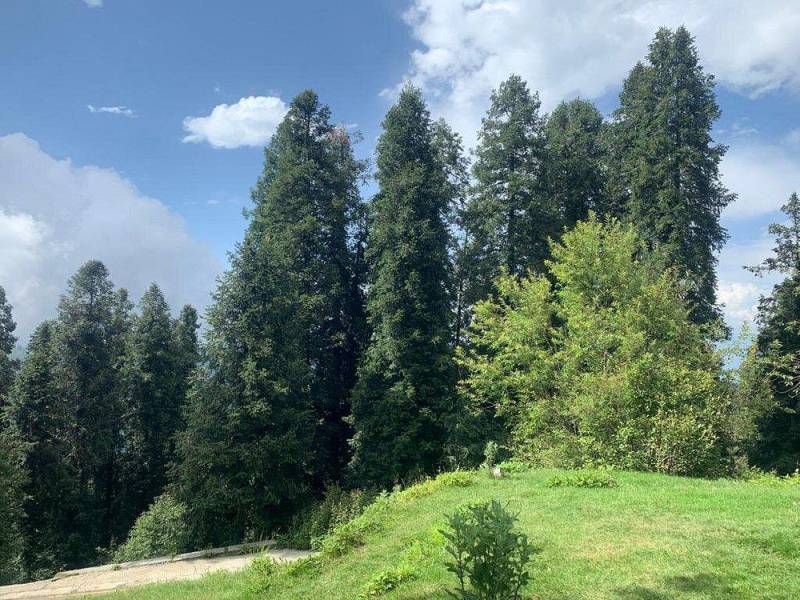
Yet the institutional degradation reached another important milestone on Saturday, the 16th of May 2026, when the Galiyat Development Authority executed a long-term agreement with a private consortium, “Above Zero”, to develop Pakistan’s first planned alpine tourist destination at Thandiani Top. Officials insist that the project will remain within an environmental protection framework and that an international architectural firm is preparing the master plan. Yet past experience repeatedly demonstrates that environmental safeguards in Pakistan often remain weaker in implementation than in documentation. Marketed through attractive terminology such as integrated tourism, wellness centres, and eco-friendly villas, the proposed thirty- to thirty-five-billion-rupee investment raises serious concerns regarding the long-term ecological stability of one of Hazara’s most sensitive watershed regions.
“Historically, the municipal location forests of the Galiat, including Thandiani, Ayubia, and Changla Gali, were preserved primarily for watershed protection and public environmental benefit, while tourism remained secondary and strictly regulated. Reversing this hierarchy to allow private commercial priorities to shape land-use decisions risks transforming fragile mountain ecosystems into real estate commodities”, comments M. Rafiq. While responsible tourism, if scientifically regulated and community-centred, can contribute to local livelihoods, commercial expansion without strict ecological limits inflicts irreversible damage upon sensitive alpine environments already under climate stress—ultimately destroying the very natural beauty that attracts investment in the first place.
If we leave behind a water-stressed and ecologically degraded landscape, every other developmental achievement will gradually lose meaning
Furthermore, the network’s experts criticise the increasingly casual misuse of international conservation terminology, such as "conservation easements," which were globally developed to restrict land fragmentation and uncontrolled construction in sensitive zones. “Reinterpreting these defensive mechanisms to facilitate commercial construction fundamentally distorts their original environmental purpose. The procedural sequence itself raises serious governance concerns, as contracts have been finalized long before Environmental Impact Assessments (EIAs) are conducted, reducing genuine environmental scoping to a mere procedural formality,” argues Nusrat Bibi.
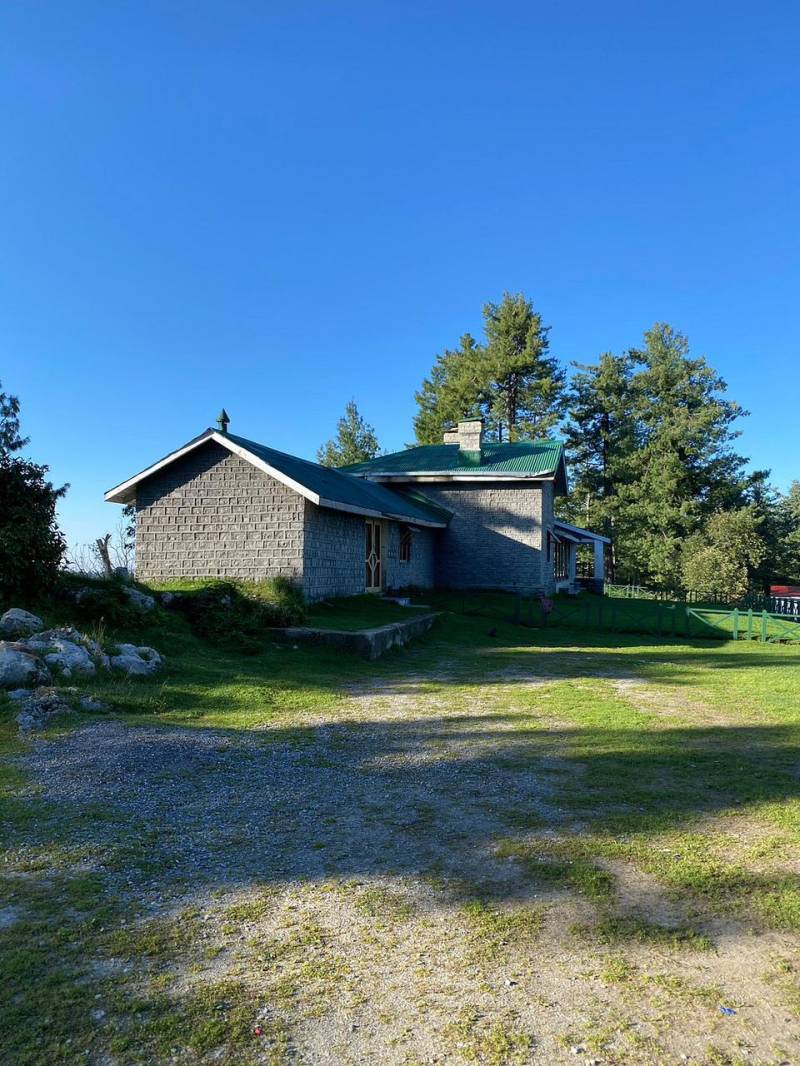
Members of the network point to the principled stand of former Federal Secretary Shakeel Durrani as a clear warning against such shortcuts. When appointed as Chairman of the Galiat Development Authority (GDA) by Caretaker CM Azam Khan, Mr Durrani resigned after only one day. Mr Durrani recalls, “commercial lobbying surrounding the reserved Mankiyal forest conversion into real estate and Thandiani Resort project was forced onto the agenda of the first GDA board meeting. Regarding it as a death warrant for the hills and a murder of biodiversity, he rejected it outright. Today, experts wonder if the current iteration of the project is truly eco-friendly, noting that if over 80% percent of the land is covered by buildings and roads, making it a concrete urban jungle means bidding farewell to Thandiani. “To retain the green eco-culture not more than 20% land should be covered by building, paved roads and concrete/steel structures. A binding rule capping building heights to two stories and a basement, preventing these structures from outgrowing the surrounding trees. Covered area and water be taxed high for conservation purposes. Moreover, an undertaking that GDA seek comments of either UNEP or UNDP or the WB prior to project approval” argues Mr Durrani.
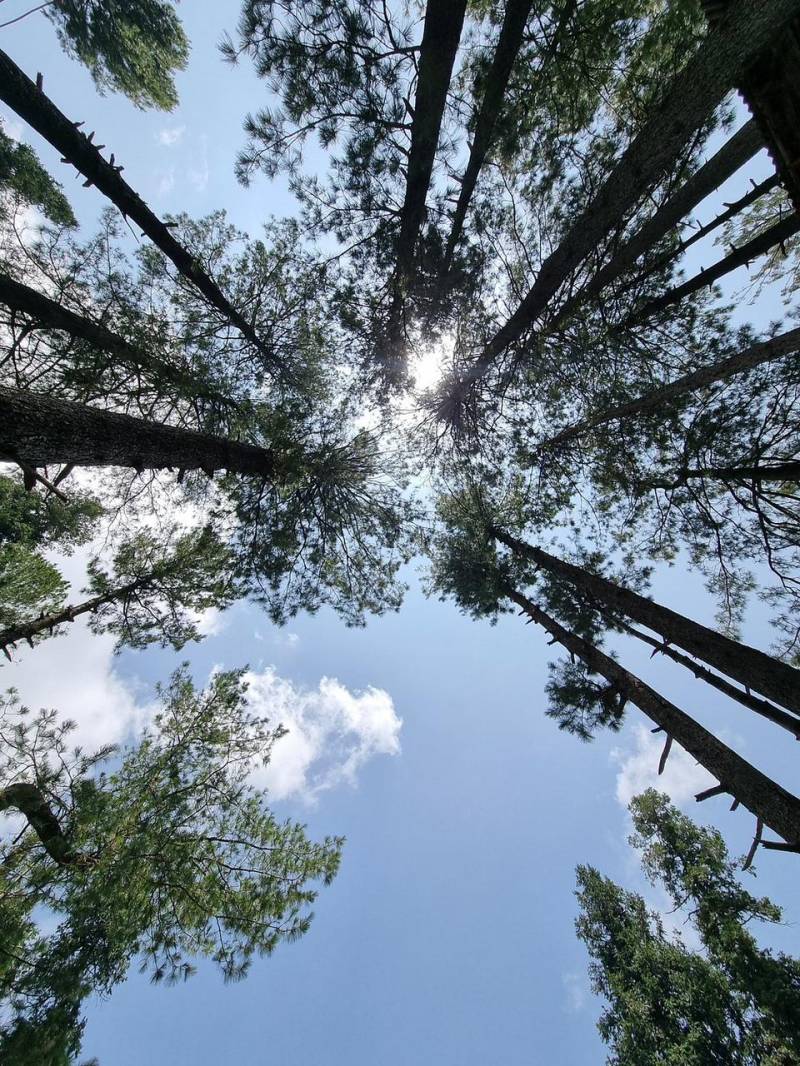
Complementing this perspective, Former Chief Conservator Ali Gohar Khan recalls “the era when Thandiani’s lush forests retained snow for months, acting as a vital ecological stabilizer visible across Abbottabad. He stresses that the current tourism project must not become a mere commercial development exercise, proposing instead that large-scale, scientifically monitored native afforestation on the surrounding degraded slopes be made a mandatory, well-funded component of the project document. By integrating community-based participation and strict hydrological oversight, this initiative can restore Hazara’s iconic landscape and leave a lasting legacy”.
The Price of Concrete: Consequences of Deforestation
In a nutshell, mountain ecosystems must always be treated as strategic national infrastructure because their survival directly determines groundwater recharge, climate resilience, agricultural sustainability, and disaster mitigation for millions downstream. Their concerns reflect a growing realisation among experts and professionals that environmental degradation in Khyber Pakhtunkhwa is no longer a localised forestry issue, but an emerging national security challenge.
What happens in the mountains of Khyber Pakhtunkhwa does not remain confined to the mountains; it directly shapes the survival prospects of Pakistan’s urban and rural lands as a whole. The loss of forest canopy disrupts the natural recharge of aquifers and accelerates a silent groundwater emergency. Data from the Pakistan Council of Research in Water Resources highlights a deeply troubling trajectory in Islamabad, mirroring growing concerns in Peshawar and other expanding cities. Within three decades, groundwater levels in parts of the federal capital have reportedly fallen from manageable depths of fifteen to thirty feet to alarming depths approaching three hundred to five hundred feet. In highly concrete-dense sectors, depletion continues at an accelerating pace.
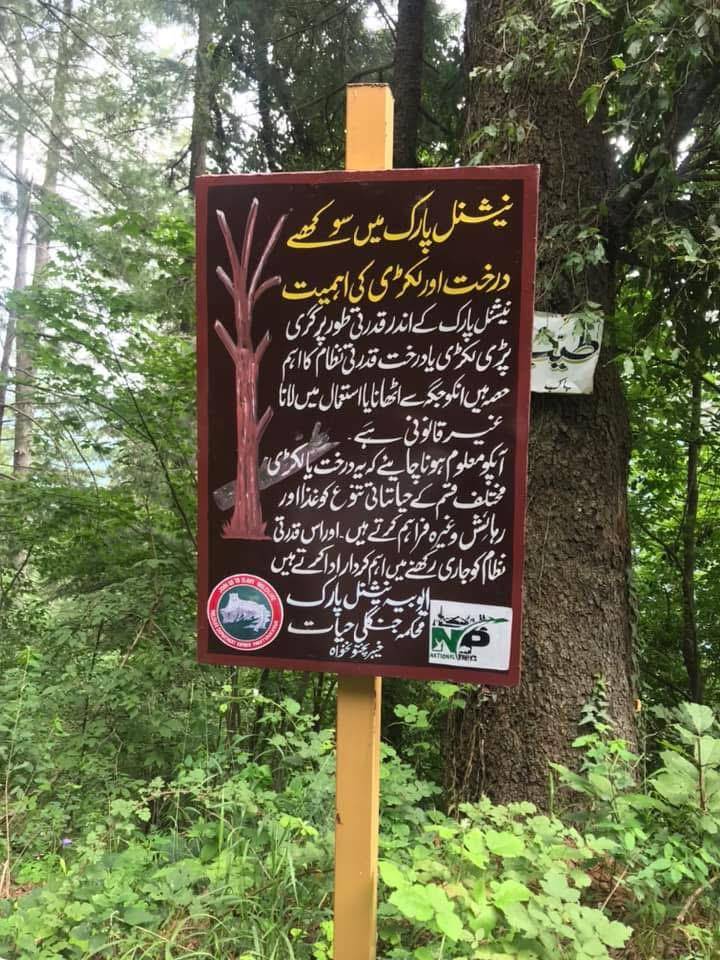
According to the Asian Development Bank, water extraction in major urban centres now significantly outpaces natural recharge. The structural consequences are already becoming visible. Research conducted by the National University of Sciences and Technology using geospatial analysis has identified early indications of land subsidence caused by exhausted underground aquifers—the same phenomenon that has severely destabilised cities such as Jakarta and Mexico City. This stark urban reality underscores why preservation is not an obstruction to progress, but its fundamental prerequisite.
The environmental crisis also carries a profound social dimension. Forests in Northern Pakistan are not merely scenic landscapes; they sustain rural livelihoods, regulate water systems, support grazing patterns, preserve biodiversity, and form part of longstanding cultural relationships between mountain communities and nature. Across regions such as Swat, Dir, Chitral, and Hazara, local populations have historically acted as both consumers and custodians of surrounding ecosystems. Ignoring community participation in environmental governance weakens conservation itself. Sustainable forest protection cannot succeed through bureaucratic paperwork alone; it requires a meaningful partnership with the communities whose lives remain intrinsically linked to these ecological systems.
The March of Concrete: Urbanisation's Environmental Toll
Nearly two decades ago, the landmark Stern Review on the Economics of Climate Change delivered a blunt warning to the world: the benefits of early climate action far outweigh the long-term economic costs of inaction. Yet environmental policy in many developing societies, namely Pakistan, continues to be treated as a secondary political concern rather than the central foundation of economic planning itself.
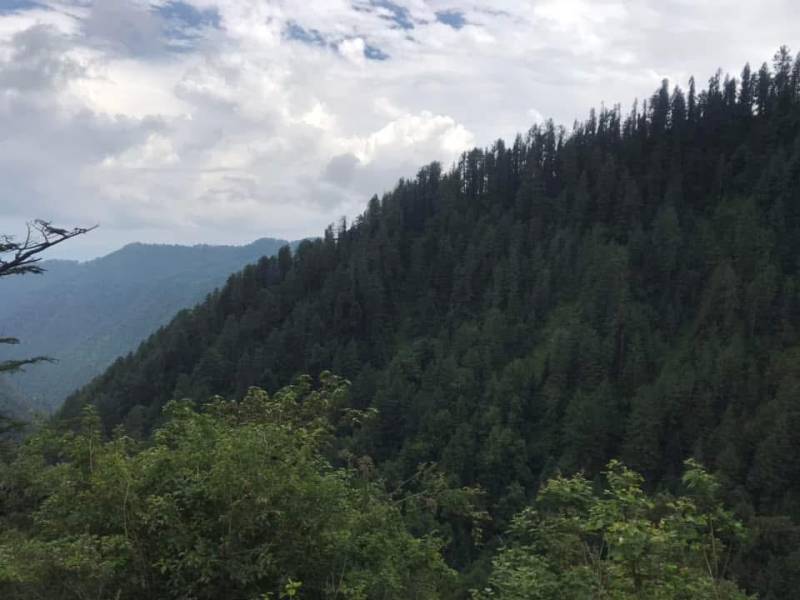
Former US Vice President and an ardent environmentalist Al Gore once observed, “protecting the environment is not merely a policy preference; it is a moral obligation to future generations. If we leave behind a water-stressed and ecologically degraded landscape, every other developmental achievement will gradually lose meaning”.
These concerns are no longer confined to isolated environmental activists. Members of the Sustainable Conservation Network (SCN)—a robust forum of foresters, environmental researchers, civil servants, and social activists—have actively engaged in advocacy, warning during expert consultations at the Sustainable Development Policy Institute (SDPI) Islamabad in 2023 and 2025 that the province is approaching an ecological tipping point. Forests can no longer be viewed through the outdated lens of timber economics.
As a representative delegation prepares to meet the KP Chief Minister—who uniquely exercises the authority of both Chief Executive and Minister for Forests—the moment demands a clear and uncompromising blueprint for reform that harmonises economic ambitions with ecological realities.