

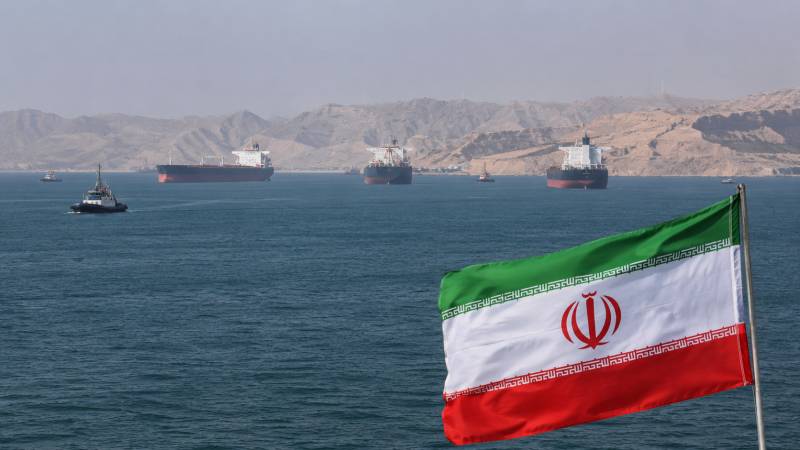
China’s growing economic, technological, and diplomatic footprint in the Gulf is increasingly seen as a pivotal factor in addressing the regional crisis. Frequently called a “multipolar” or “four-point” approach, Beijing’s strategy harnesses deep trade ties and its role as a major energy buyer to offer a pragmatic alternative to Western-led security systems. By presenting itself as a balancer rather than a wholesale replacement for the United States, China intends to stabilise the region through development and diplomatic dialogue.
China’s “four-point” approach gives Gulf states a way to reduce their dependence on the United States for security. These countries are using Chinese technology and drones, and they are also responding to China’s diplomatic efforts.
China buys a large share of Iranian oil and invests heavily in Gulf economies, which ties their stability to China’s interests. Beijing has also called for ceasefires and helped build diplomatic ties between rivals such as Iran and Saudi Arabia.
China is working closely with Pakistan to stop a new war after important talks in Islamabad broke down. Together, they have suggested a five-point plan for a lasting ceasefire and reopening the Strait of Hormuz. China’s main goal is to protect its energy supply, since it imports about 1.4 million barrels of oil per day from Iran, which is more than 80% of Iran’s exports. This gives China significant influence.
China uses its economic influence to encourage Iran to negotiate and offers Tehran other ways to get around the United States “maximum pressure” sanctions. While China does not want Iran to have nuclear weapons, it also disagrees with the United States’ approach of using force or pushing for regime change. Instead, China prefers a return to a revised JCPOA deal.
As a result, China seeks to be a “constructive international player”, criticising the United States’ blockade of the Strait as “dangerous and irresponsible” and eschewing formal defence commitments to Iran to keep trade talks with the United States open.
China’s influence in the conflict is now tied to a trade-off ahead of a major summit between President Xi Jinping and President Donald Trump, set for May 14–15, 2026. Beijing is using its function as a mediator to try to regain access to the United States market and prevent new tariffs. Because of this, China is acting as a “voice of reason”, encouraging Iran to negotiate rather than escalate.
Beijing has successfully softened the United States’ “military-first” approach by providing a viable diplomatic track and using its veto power to block United States-backed resolutions that would legitimise excessive force. Additionally, Beijing exerts “passive” influence; reports suggest China may have provided Iran with high-resolution satellite imagery to monitor United States and Israeli movements, increasing the tactical risk for American forces.
In the absence of clear military leadership, the United States now has to consider peace proposals led by Iran
As a major oil buyer, China’s demand for open waterways is consistent with global economic interests, further pressuring the United States to resolve the blockade of the Strait of Hormuz without triggering a global economic “earthquake”.
The release of the Epstein files has put much more political pressure on President Trump, causing him to take a tougher and less flexible approach to foreign policy. Critics say the war’s escalation, including Operation Midnight Hammer, is a way to distract from scandals at home. This “distraction tactic” has led Trump to demand an “unconditional surrender” from Tehran.
This controversy has split Trump’s supporters, making him feel the need to show strength through military action to win them back. As a result, Trump’s “unilateralist” actions, taken without support from other countries or Congress, have hurt ties with allies like the United Kingdom and the European Union. The war has caused the “worst supply chain disruption since COVID-19”, and the United States is spending about $1 billion each day.
Trump’s defensive reaction to the files—threatening lawsuits and calling critics part of a “Democratic hoax”—is also seen in his foreign policy, where he has threatened to destroy “a whole civilisation” in Iran if his demands are not met.
At the same time, the Trump administration has launched a major military campaign against Iran called Operation Epic Fury. This has happened alongside a big shake-up in top United States military leadership. The reported “purge” of senior officers, including Army Chief of Staff General Randy George and Chairman of the Joint Chiefs General Charles “CQ” Brown, has caused serious instability within the military.
Critics describe this “Hegseth purge” as a “slow-motion coup” that favours political allegiance over professional military expertise. Lawmakers warn that replacing seasoned commanders with loyalists poses constitutional and operational risks, notably concerning the issuance of illegal escalation orders. Observers argue the purge was a reaction to generals’ opposition to ground invasion plans, which simulations predicted would be disastrous.
The war has used up a large part of the United States’ global munitions supply, especially between 50% and 80% of the THAAD missile stockpile. This weakens the United States’ ability to deter China in the Indo-Pacific. In the absence of clear military leadership, the United States now has to consider peace proposals led by Iran.
The United States is in a tough spot. Even though it has the military power to act alone, giving up on Chinese-backed diplomatic campaigns would be too costly. The United States is now relying more on the diplomatic space created by China and Pakistan to develop plans to reopen the Strait of Hormuz.
In the end, the removal of top generals and pressure over scandals at home have left the United States “cautiously hedging”—threatening major force while also seeking a diplomatic way out as the war’s costs keep rising.