

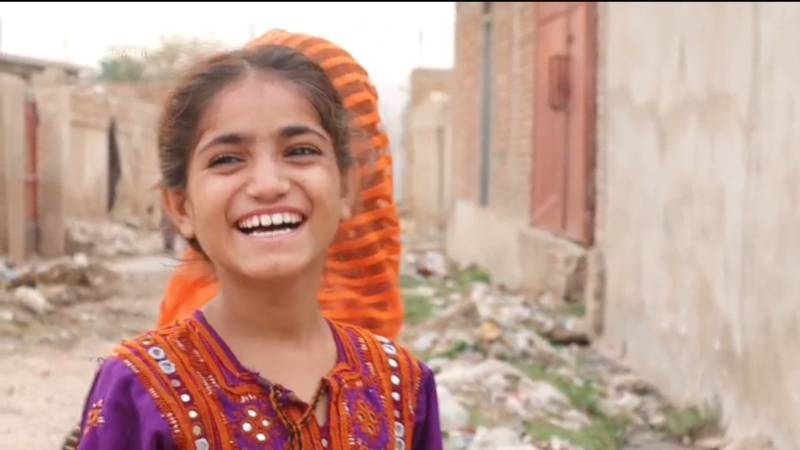
When bombs explode in Balochistan, cameras from around the world turn toward the violence. When children laugh in its villages, the same cameras look away. This imbalance in coverage has sparked a quiet revolution among young Baloch photographers determined to tell their own stories.
In mainstream media, Balochistan is often reduced to conflict and poverty. What is frequently overlooked in such portrayals is the warmth of its people, the richness of its folk traditions, the breathtaking landscapes, and the creativity of its youth. The poetry, music, crafts, and everyday lives of Balochistan deserve to be seen, for they define the province more truthfully than any headline ever could—its people, its land, and its culture. The representation of Balochistan in traditional media often feels incomplete or distorted, while the reality on the ground tells a very different story.
Unless someone experiences it firsthand, they can never truly understand the spirit of Balochistan. The kindness of its people, the depth of its culture, and the beauty of its land remain largely untold and undervalued in traditional news coverage.

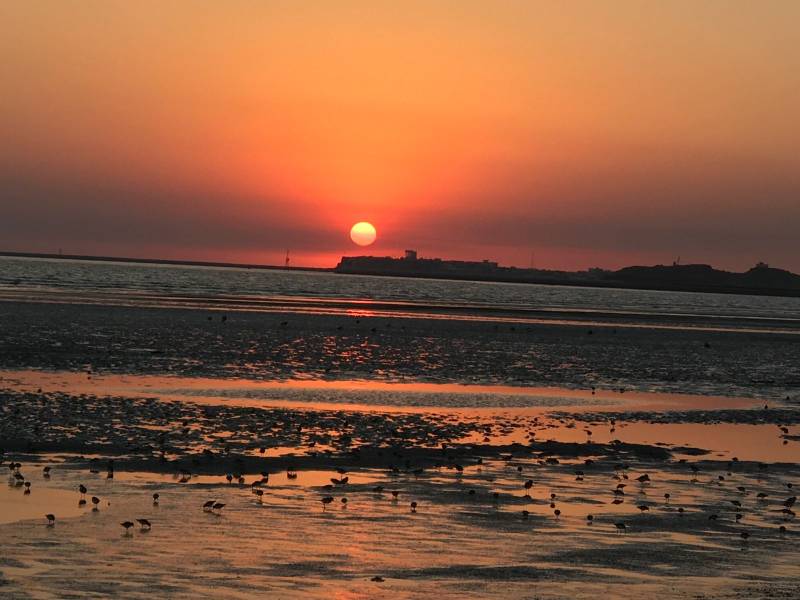
From the devastating news of bomb blasts and the heart-wrenching sound of ambulances to the relentless echo of gunfire and the divisive political rhetoric of provincial ministers, the media paints Balochistan as a land defined by conflict. Yet, amidst this persistent noise, a quiet but powerful movement thrives. Unseen by many, a group of dedicated Baloch “Peace Warriors” is tirelessly working to capture and showcase the true soul of their homeland. Through their lenses, they are preserving Balochistan’s profound social harmony and its breathtaking natural beauty—the snow-draped peaks of Ziarat, the mesmerising sunset over Gwadar, the golden sunbeams dancing on ocean waves, and the traditional architecture of tribal areas.
These photographers represent far more than artistic talent—they embody a form of cultural resistance, reclaiming their narrative from those who define Balochistan solely through conflict
Their work, though often created with minimal resources and little recognition, speaks volumes and cannot be ignored. Ironically, for presenting a genuine and positive image of Balochistan, the cameras bought with the personal savings of these passionate youth often prove more effective than those funded by the government.
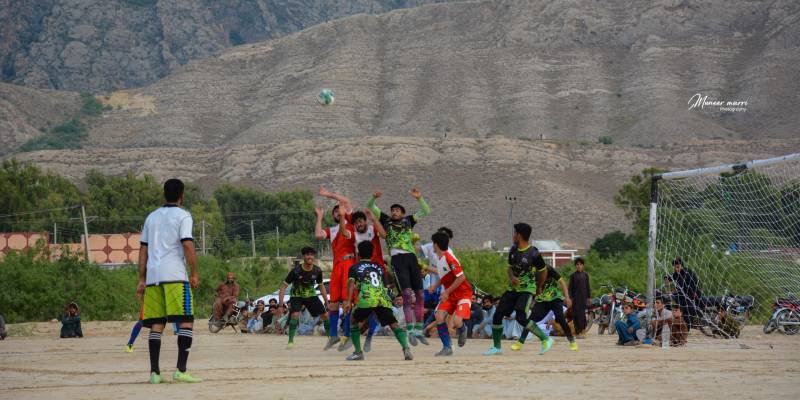
The Peace Warriors include both renowned and emerging visual storytellers. Legends like the late Kamanchar, who passed away last year, and photographers such as Ilyas Allah Baksh, Hammal Pir Jan, Ali M Ghulam, Sarwan Baloch, Rahim Khetran, Meer Bahad Baloch, Muneer Marri, Rastom Baloch Sharaki, Najeeb Akhtar, Hammal Saalaar, and Saleem Bugti—who captures the vibrant traditional attire and lifestyle of Dera Bugti with intricate attention to local customs—are among those leading this visual movement. Young talents like Saud Bhuledi Baloch, a 9th-grade student capturing the soul of Balochistan through his lens, are also part of this growing community—many of whom remain largely unrecognised.
Through their vision, they are not just taking pictures; they are building a new narrative for Balochistan—one of resilience, beauty, and peace—shared directly from the heart of its people with the world.
Recent Exhibitions
A recent exhibition at the Kech Cultural Festival, held from October 1st to 3rd, showcased the masterful photography of Hammal Saalaar. Featuring the works of Ilyas Allah Baksh, the collection highlighted unseen landscapes and compelling visual stories from the remote corners of Balochistan to the galleries of Islamabad. The display of Raheem Khetran’s work followed his international recognition, including a successful exhibition in the United Arab Emirates just two months earlier.
Saud Bhuledi Baloch, a 16-year-old from Buleda in the Turbat district and a 9th-grade student, says:
“I feel like I represent Balochistan differently. Too often, I have seen others portray us through stereotypes or ignore us completely. That motivated me to pick up a camera. I learned through trial and error, watching YouTube tutorials, studying the works of great photographers, and practicing relentlessly. Every mistake became a lesson—whether in lighting, framing, or editing.
When I work, my process usually begins with observation. I look for something that carries a story—a facial expression, a cultural moment, or the way light touches a landscape. Once I find it, I try to frame it in a way that feels both natural and powerful. For equipment, I rely mainly on my Sony camera with a prime lens, and I prefer natural light. I use depth of field to highlight subjects, and I wait patiently for the right moment before pressing the shutter. Editing comes last, where I refine tones and colors without losing the authenticity of the image.”
In response to my question, he added:
“Being a Baloch gives me a unique perspective. I don’t just take pictures; I live in the stories I am capturing. Themes such as identity, resilience, tradition, and loss are central to my work. I want to document the fragile balance between modernity and tradition, the strength of our people, and the richness of a culture that is at risk of being forgotten.
The challenges I face as a young photographer are many. Access to good equipment is expensive and limited, photography is not always seen as a profession here, and traveling across Balochistan is difficult due to long distances, poor infrastructure, and sometimes security concerns. Still, my passion keeps me moving forward.
When I am photographing people in my community, respect comes first. I don’t see them as ‘subjects’ but as partners in telling a story. I spend time with them, build trust, and make sure they are comfortable with being photographed. For me, consent, dignity, and honesty matter the most. Only when people feel respected can their true stories shine through in a photograph.”
Saleem Bugti, an energetic soul from Dera Bugti, shared his story:
“I began with mobile photography and later bought my first camera—a Nikon D3200 with a basic lens. Even with such limited equipment, I was able to capture images that meant a lot to me. Over time, my work shifted from photography to videography, but I still have a strong love for portrait photography. Despite financial limitations, I always find a way to invest in good devices, because my passion for photography outweighs everything else.
In the beginning, I used to experiment with macro photography—capturing plants and animals up close. Later, I found inspiration from (late) Sarwar Ghulam Baloch (Kamanchar), a talented photographer from Balochistan who not only took extraordinary portraits but also worked for the betterment of people in the region. He inspired me to focus on portrait photography, where I could highlight the unique stories and faces of my people.
Once you develop the eye of a photographer, you start noticing beauty everywhere—on the road, while traveling, or even while sitting quietly. Anything can become a subject. Many times, you wish to capture something but can’t, and other times you are lucky enough to freeze the moment. For me, it’s less about equipment and more about the ability to see. Of course, I use my camera and mobile phone, but the real technique lies in identifying the right moment, light, and emotion.”
When asked about cultural values, he responded:
“We respect and prioritise the privacy of others. We take permission—especially when photographing children or elders. We approach strangers with respect. We don’t treat people as if they are in a zoo, where you point a camera and take a shot. Instead, we talk to them, make them comfortable, understand their language and story, and then take the picture. That way, the photograph becomes authentic and respectful.”
He also emphasised the financial hurdles:
“The biggest challenge is financial. Equipment, traveling, and even editing all require investment, and it’s not easy to afford these things. Logistically, Balochistan is vast and remote, which makes access to certain areas difficult. But more than anything, financial limitations are the biggest obstacle for me as a photographer. Collaborations with different organisations or even the government are something I am open to, but the most important thing for me is that the truth remains intact and my work does not lose its colors for the sake of others’ agendas.”
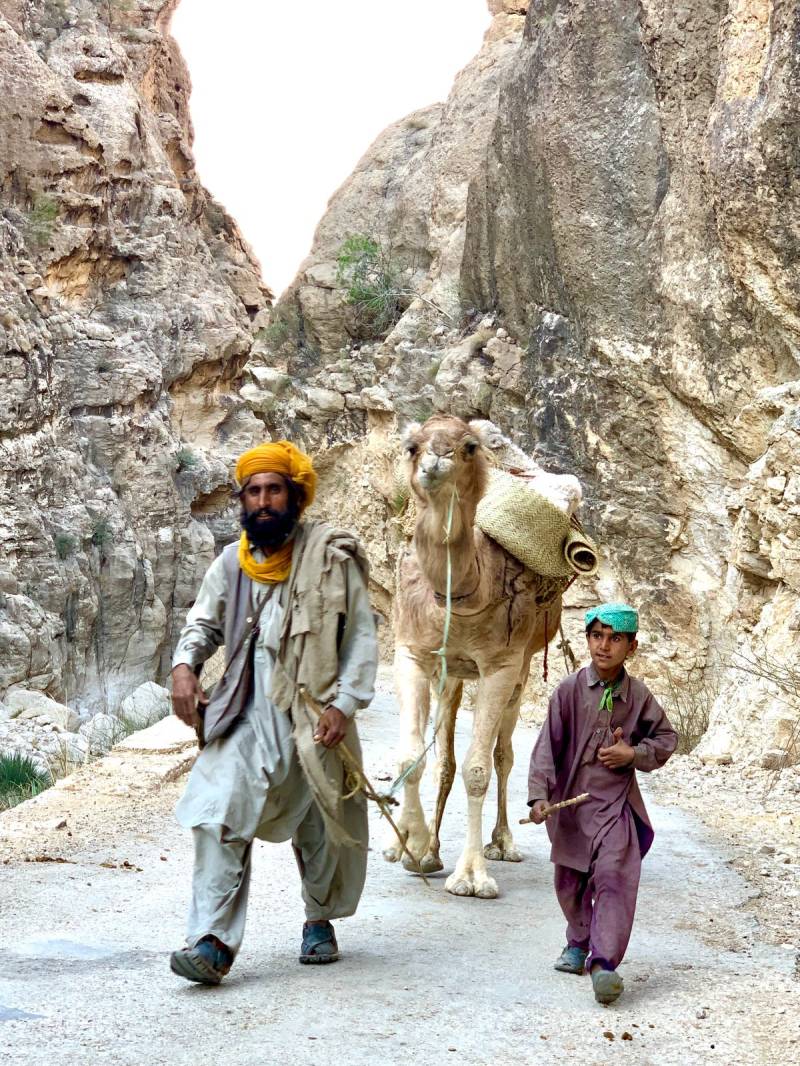
Rahim Khetran from Barkhan discovered photography through travel. His curiosity about people, culture, food, and landscapes inspired him to capture what he saw through the lens—and he has continued doing so for nearly a decade. His artistic photographs primarily focus on the Baloch way of life and culture, and his work is held in private art collections in Pakistan, the UAE, and France.
Initially, Rahim kept his photographs private, but when he began sharing them online, the response was overwhelming. Viewers told him they were seeing places, people, and cultures they could never visit themselves—through his eyes.
“It was through social media that Ms. Florence Vivien encouraged me. She not only appreciated my work but also supported me practically. It was through her efforts that my photo exhibition was held in the Paris art gallery.”
Talking about his achievements, he said:
“I had the good fortune that my very first exhibition was held at an international level. In 2022, the Galerie Florence Vivien, an art gallery based in Paris, France, exhibited two of my photographs at an international fair, which were seen and appreciated by people from all over the world. The Paris art gallery gave me the title of ‘Artistic Photographer.’
I have the honor that the Paris art gallery has not only exhibited my photographs twice but has also presented dozens of my photographs on the gallery’s website.”
According to Rahim, he has photographed in more than 20 countries—including Saudi Arabia, Turkiye, the United States, China, and several European nations—but his first priority has always been Balochistan, its people, and its culture.
“Balochistan is a beautiful land which the world has not yet fully discovered. Unfortunately, Balochistan often becomes the center of negative news, but my effort is to bring forward the positive face of this beautiful yet neglected land through pictures.
I want people to know that Balochistan has not just vast mountains, but its people also have vast hearts. I want to tell the untold stories of the people of Balochistan in the language of pictures because a picture is more powerful than a thousand words.”
Rahim has a particular interest in portrait photography, believing that a face can truly reflect feelings and emotions. He gives meaningful titles to his pictures so that the viewer not only sees the image but also feels the story behind it.
The late Sarwar Ghulam Baloch (Kamanchar) skillfully documented historical and heritage sites across Balochistan. He transformed the hardships of history into powerful images that reflect the everyday struggles of ordinary people.
Here are some other photographers from across Balochistan:
- Aamir Khan Millizai (Loralai)
- Abdost Noor (Panjgur)
- Abrar Roonjha (Lasbela)
- Ahmed Badini (Nushki)
- Ahmed Khan Baloch (Awaran)
- Ali Muhammad Gulam (Mand)
- Anees Muhammad Hanif (Pasni)
- Arbab Naimat Kasi (Quetta)
- Asa Wahag (Gwadar)
- Asad Mir Baloch (Kharan)
- Asif Jaanif (Duki)
- Badal Hussain Baloch (Panjgur)
- Badar Hassan (Hub)
- Dilawar Khan (Chaghi)
- Ghazanfar Baloch (Barkhan)
- Hafizullah Yaad (Killa Saifullah)
- Haider Rodeni (Khuzdar)
- Jalal Iqbal (Nasirabad)
- Muneer Marri (Kohlu)
- Naseer Rind (Mastung)
- Rani Wahidi (Quetta)
- Sabeen Malik (Quetta)
- Shayhaq Baloch (Sohbatpur)
- Shehak Idrees Baloch (Panjgur)
- Tariq Ghani (Turbat)
- Zafar Gishkori (Sibbi)
- Zahid Ali Soomro (Jaffarabad)
- Zain Ul Abideen (Kalat)
- Zuher Baluch (Turbat)
- Dosta Shah (Kech)
- Mustafa Buzdar (Koh-e-Suleiman)
Young artists and photographers in Balochistan face significant challenges due to the lack of fine arts education in local institutions and limited financial support. Formal training opportunities and exhibition venues are scarce. Yet despite these obstacles, they remain passionate about their craft—some achieving success through perseverance, community engagement, and family support.
These photographers represent far more than artistic talent—they embody a form of cultural resistance, reclaiming their narrative from those who define Balochistan solely through conflict. Their cameras serve as bridges between their communities and the world, showing that every landscape tells a story, and every face holds dignity. They continue their work not through institutional backing but through a deep love for their homeland. Their lenses do not just capture images; they capture hope.