

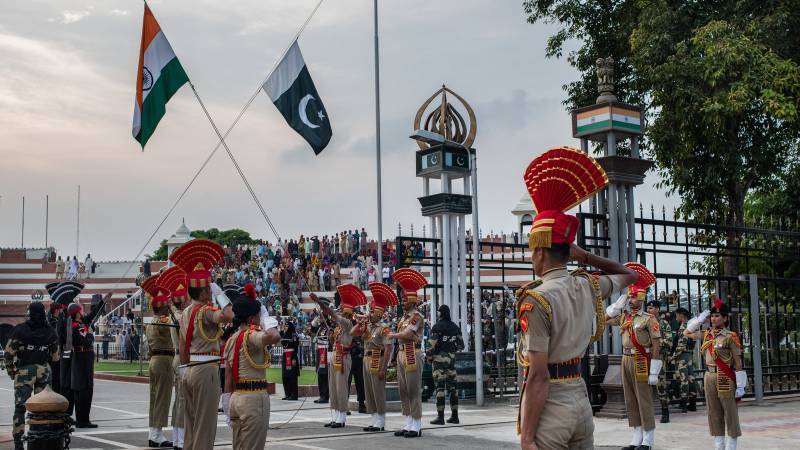
War is one of the worst things that can happen to any country. It brings pain, destruction, and fear to millions of people. When war happens between two countries that have nuclear weapons, like Pakistan and India, the danger becomes much more serious. These two nations have fought wars before, and they have a long history of conflict. Both countries have large armies and powerful weapons, including nuclear bombs. If another war happens between them, the damage would be terrible — not just for them, but for the entire region and even the world.
Pakistan and India are neighbors who have had a tense relationship since their inception in 1947. They have already fought several wars, mainly over Kashmir. Even when they are not fighting a full war, there are often military clashes along the Line of Control. These small fights can easily grow into something bigger. If things go out of control, it could lead to a full-scale war. Because both countries have nuclear weapons, the chance of nuclear war is a real and serious risk.
If a full-fledged war breaks out again between Pakistan and India, many people will suffer. Soldiers would lose their lives, but so would thousands or even millions of civilians. Bombs and missiles do not always hit military targets. Sometimes they hit homes, schools, and hospitals. People would be forced to leave their homes. Families would be separated. Children would stop going to school. Cities would be filled with fear. War causes panic and chaos in everyday life. People cannot find food, clean water, or medicines. Electricity and phone lines might stop working. Roads and bridges could be destroyed, making it hard to help to reach those in need.
The economy of both countries would be badly hurt. Instead of using money for healthcare, education, or building infrastructure, the government would spend it on weapons and war. Jobs would be lost, businesses would shut down, and prices would go up. Investors from other countries would pull out because of the fear of instability. Tourism would stop. People would struggle to buy daily items like bread or milk. The poor would suffer the most, but even the middle class would feel the pain. Rebuilding after war takes years or even decades.
No one truly wins a war between nuclear powers. Even the side that claims victory loses a lot — lives, resources, trust, and peace
One of the worst parts of war between nuclear-armed neighbors is the threat of nuclear weapons being used. A nuclear bomb can destroy an entire city in seconds. It causes death not just from the explosion but from radiation. Radiation can kill slowly. It causes cancer, birth defects, and other serious health problems. It poisons the air, the water, and the land. It will make farming impossible in the area for many years. If nuclear weapons were ever used by either Pakistan or India, the damage would be beyond imagination. The world has only seen nuclear bombs used once in a war, in Hiroshima and Nagasaki during World War II. The pictures and stories from those cities show just how horrifying nuclear war can be.
Even if nuclear weapons are not used, the fact that both sides have them creates a lot of fear. People worry that a simple mistake could lead to disaster. What if one side misreads a signal or gets false information and thinks the other side has launched a nuclear strike? In such a tense situation, the leaders have very little time to make decisions. A wrong move could kill millions. It is like living with a bomb that could go off at any time.
War between Pakistan and India would also damage the environment. Forests would burn, rivers could become polluted, and animals would die. The smoke from bombs and fires would fill the air with dangerous gases. If nuclear weapons were used, smoke and dust could block sunlight and cool the earth. Crops would not grow. This is called nuclear winter. It could lead to global food shortages and starvation, even in countries far away from South Asia.
The emotional and psychological effects of war are just as bad as the physical damage. People who live through war often suffer from trauma. They have nightmares, panic attacks, and depression. Children who grow up in war zones may never feel safe again. They may become angry or fearful adults. Families lose loved ones. Communities are destroyed. Even after the war ends, the pain does not go away. It stays with people for years.
War also creates hate between nations. When people are hurt by the other side, they may feel angry and want revenge. This creates a cycle of violence. Peace becomes harder because both sides blame each other. Political leaders may use this hate to gain support, making things worse. Instead of moving forward, both countries remain stuck in the past, full of anger and fear.
The international community also gets affected. Other countries may be forced to take sides. Some might send weapons or soldiers. Some may suffer from economic losses because of the conflict. Trade and travel in the region would be disrupted. Peace talks and diplomatic efforts in other parts of the world could be pushed aside. A war between Pakistan and India could even trigger larger global problems.
Both countries have millions of young people. These young people should be learning, working, and building their futures. But war puts their lives on hold. Instead of studying or working, they might be forced to fight. Some may be injured or killed. Others may have to take care of the family members who are hurt. Dreams are destroyed. Hopes are crushed. War steals the future from the youth.
Pakistan and India have so much in common. Their people share history, culture, music, food, and even language. Many families are linked by blood across the border. Instead of being enemies, they could be partners. They could work together on fighting poverty, improving education, and dealing with climate change. But war pushes them apart and creates more walls between them.
Peace is always better than war. Dialogue is better than violence. Even when there are disagreements, countries should talk to each other and find solutions. War should always be the last option, not the first. Leaders on both sides of the border must think of the people — especially the poor, the children, and the elderly — before making any decision that could lead to war.
No one truly wins a war between nuclear powers. Even the side that claims victory loses a lot — lives, resources, trust, and peace. The cost is too high. The damage is too deep. That is why it is so important for Pakistan and India to avoid war at all costs. They must build trust, open channels for dialogue, and find ways to live as peaceful neighbors. The world is watching, and history will remember whether they chose the path of destruction or the path of peace.