

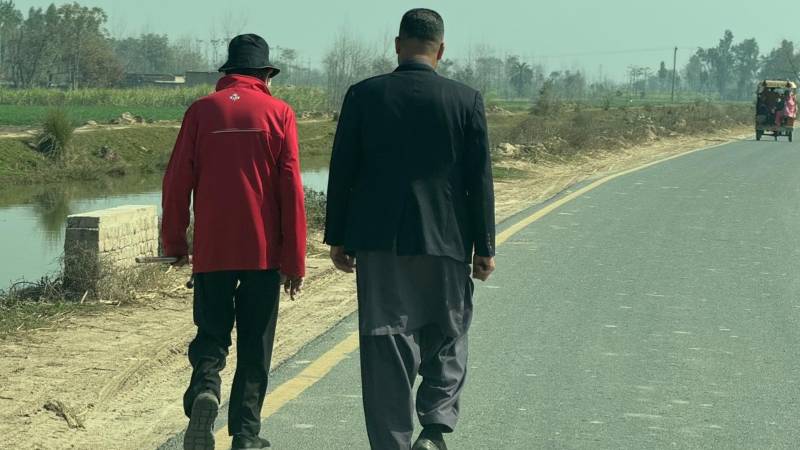
It was a bright, sunny morning. Saturday was my holiday. I decided to drive down to a stunning, picturesque village nestled in the suburbs of Rabwah, where nature’s magnificence was all around.
The atmosphere was crisp, serene and calm. The harmonious melody of birds chirping in the background added to the charm. The mesmerising beginning of spring, with its beauty, lush green trees, and the sound of a nearby stream, provided the perfect soundtrack to my idyllic life. I had a profound and unshakeable love for nature. Everywhere I looked, I could see the beauty of the natural world.
On my way, I came across a local farmer navigating a donkey cart along the road. I boarded the cart with the farmer as children gathered with smiles. I enjoyed the cheerful and steady ride. The donkey, with a permanent grin, worked diligently, turning the journey into a pleasant, heartwarming experience.
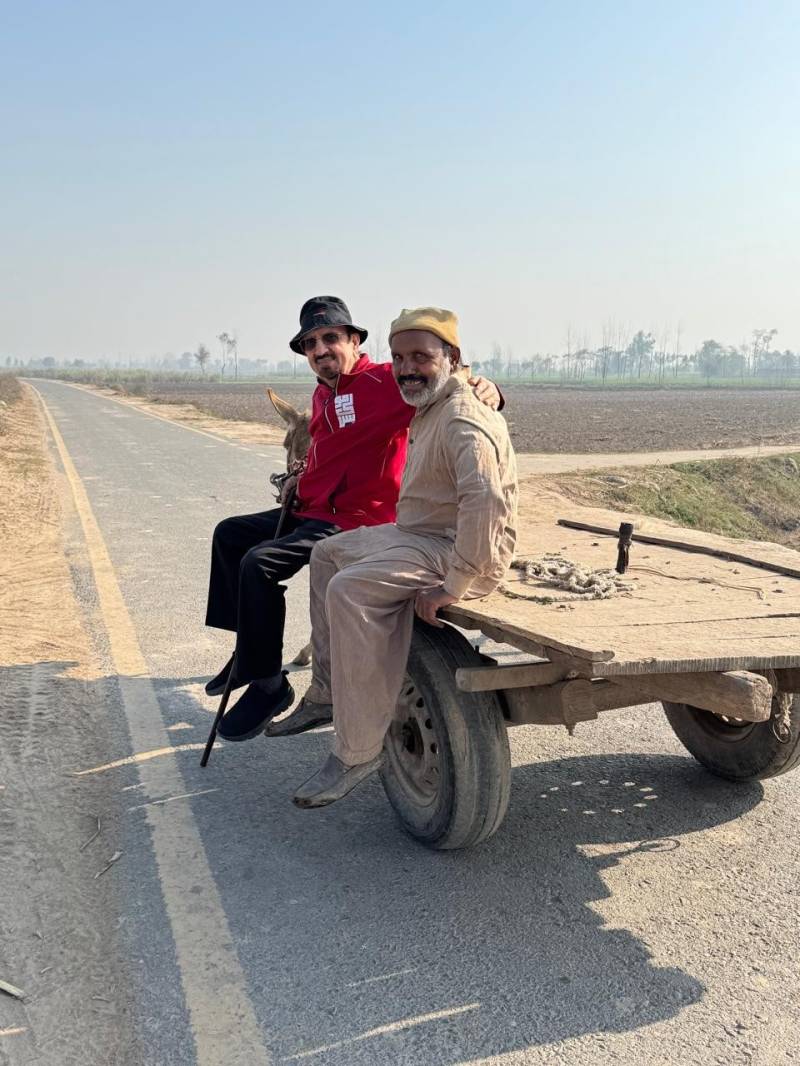
The experience was unique. Unlike modern transportation, this was a slow-paced, rhythmic ride where one feels connected to nature.
The donkey cart is not just for leisure; it is essential for transporting goods, including construction materials like sand and gravel.
When asked, the farmer replied: “This remains a way of life. Here it serves as a ‘school bus’ for children.” He further said, “This donkey is unique, sometimes stubborn, yet hard-working, providing both a nostalgic experience and a practical service.”
The mustard crop was in full bloom. It brightened my day and also triggered a wave of optimism among the farmers. A walk through the lush green and yellow mustard field presented a breathtaking view against a picturesque background.
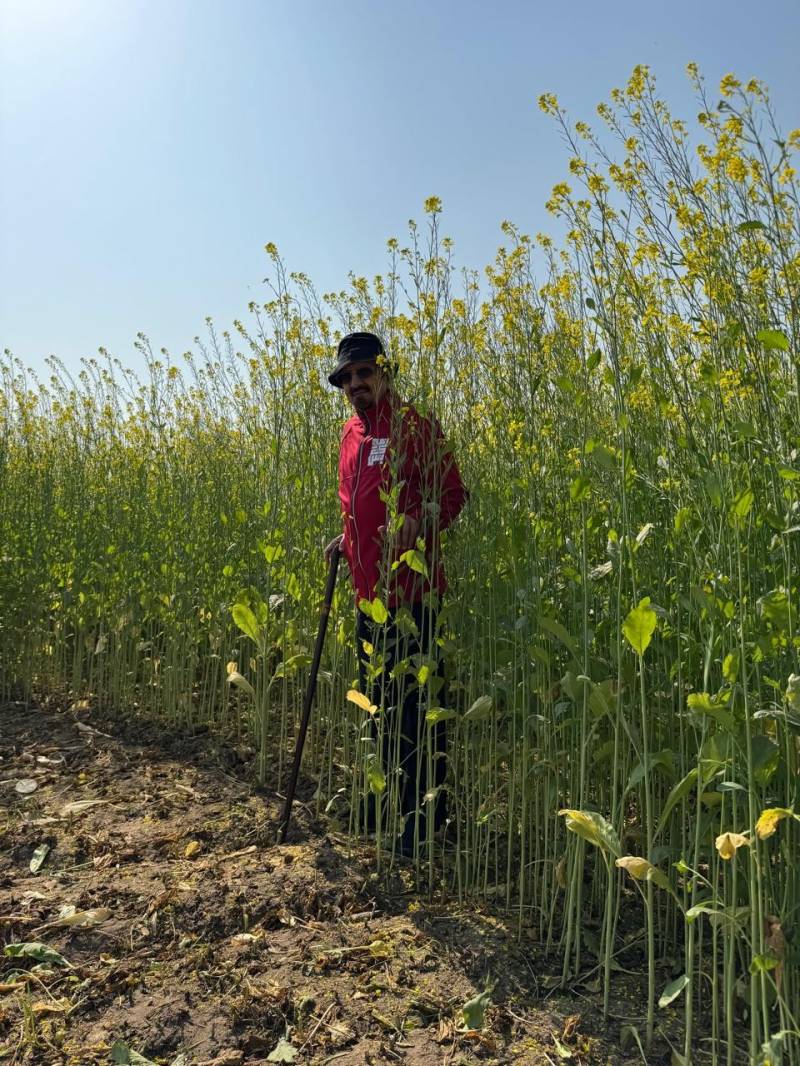
The plant is used as a vegetable for ‘sarson ka saag’ or with lassi and butter, especially before it goes into fruition. Extracts from the crop are used for edible oil, mustard oil, pickling, hair care, and even as fodder for animals.
On the way, I came across weaver bird nests hanging from tree branches, known as “nature’s master architects.” They use their beaks and feet to tie knots, forming durable, flask-shaped structures with downward-facing entrances.
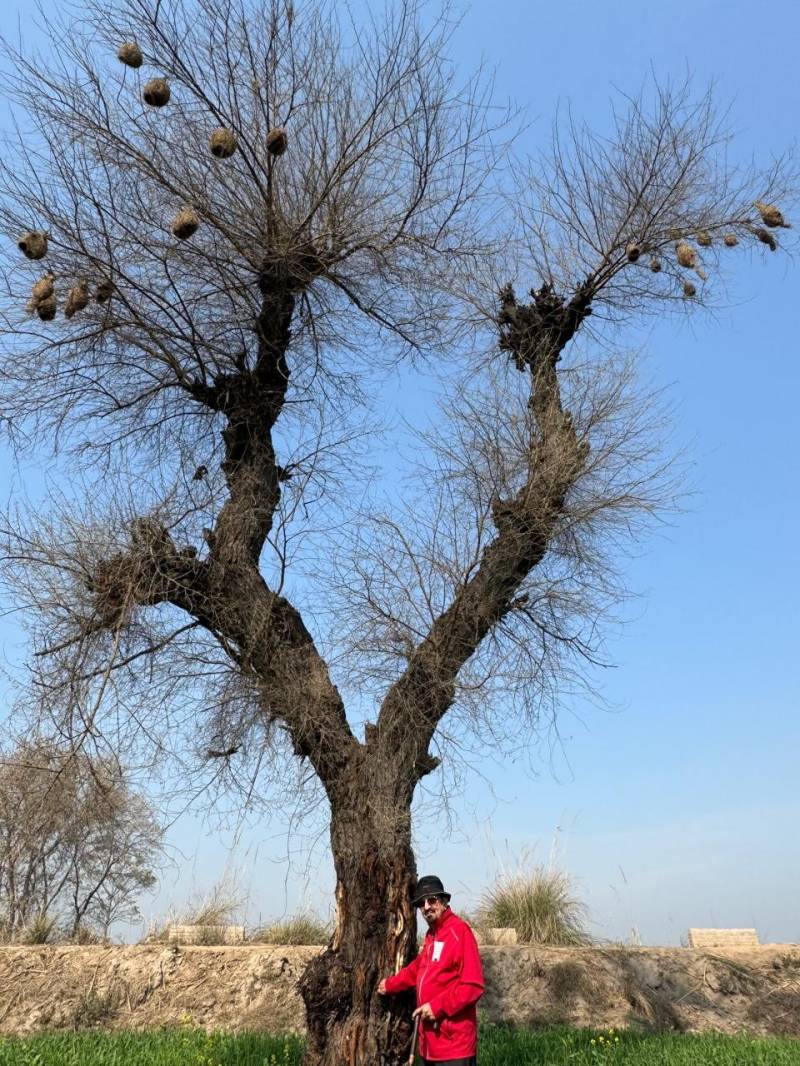
These nests are primarily built by males to attract mates. Females inspect the nests, and if the quality is poor, the male often tears it down and starts over.
Watching birds, enjoying fresh rustic food like jalebi, walking through fields, and observing shepherds with goat herds – the essence of village life is a return to nature and a slower, more meaningful rhythm
In the heart of the village farmland, where the morning mist clung to the earth like a soft, white blanket, lay a potato field that felt less like farmland and more like a dream. The field had a rhythm, a language, and a soul. The warm, golden-yellow, vibrant colour signalled that the treasure was ready. The “hidden gems” were nourished by the soil.
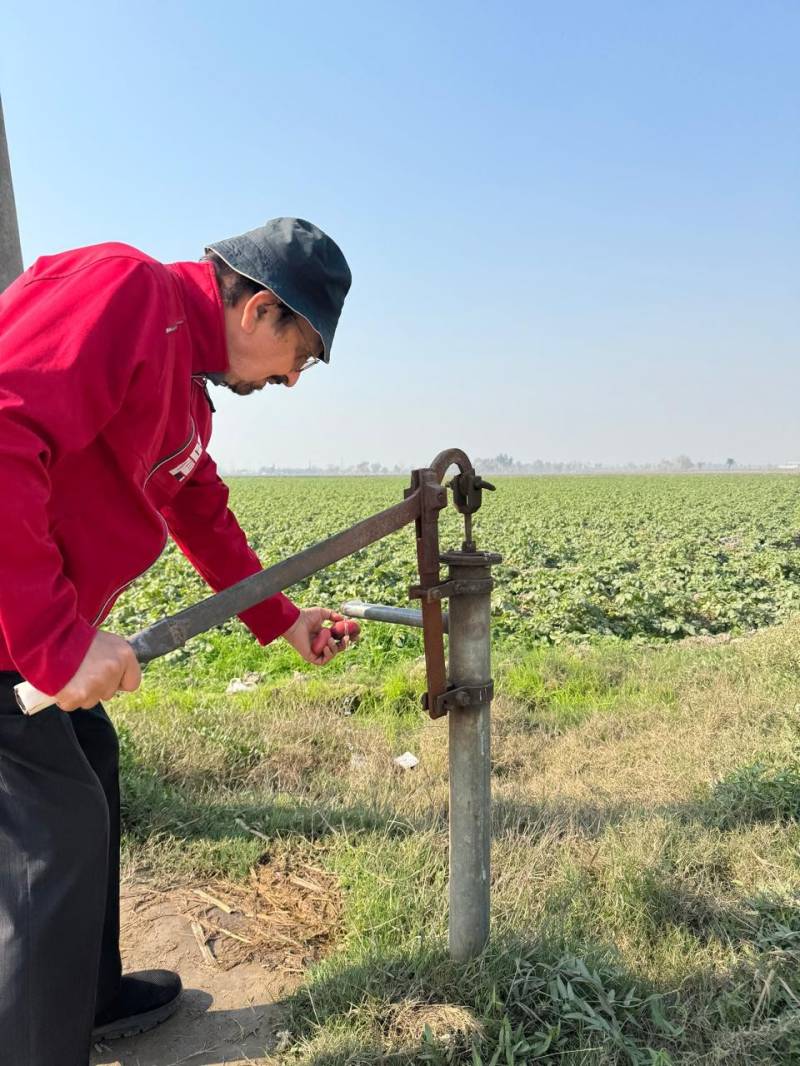
I took two potatoes and washed them at the nearby hand pump. That night, I roasted the first tender, new potatoes over an open fire. The taste was rich, creamy, and carried the essence of the soil and the sun. “The field was not just growing food,” I thought, “it was growing memories, sustaining the community with God’s grace.” It remained in my heart long after the harvest was over.
In the rural village I travelled to, water was scarce. A local farmer named Shera (Sher Khan) undertook an arduous journey to change the fate of his village.
Shera undertook the gigantic task of digging a tube well that was 45 feet deep and 25 feet wide. When it was completed, the sound of gushing water attracted villagers like “ants near a piece of jaggery,” as many had never seen so much water in one place at once.
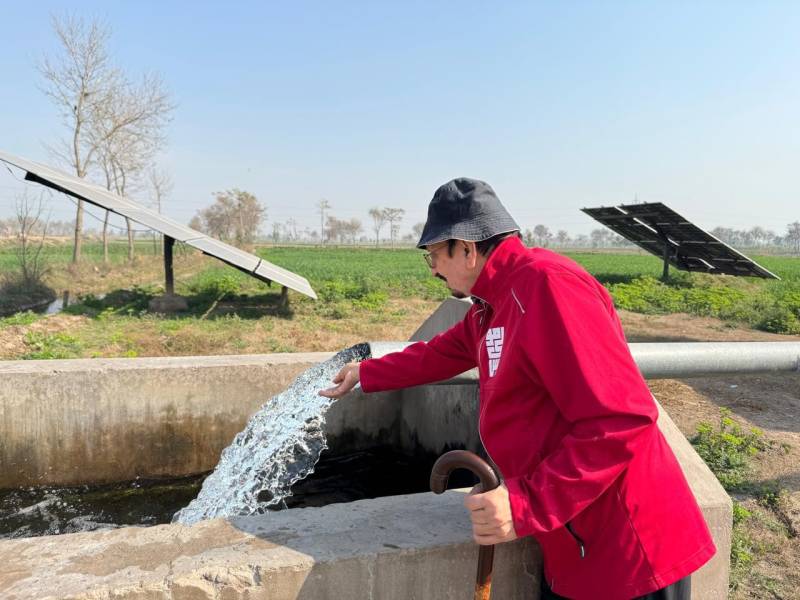
Today, the well continues to supply the needs of 50 households. His selfless work has led to the growth of his village, demonstrating how one person’s dedication can transform a community. The installation of a single tubewell has transformed a village, allowing children to attend school instead of falling sick and reducing the daily struggle to survive.
Having travelled quite a distance, it was now time for a snack. I stopped by a small shop making “jalebi” in the village. It is a sensory, artistic, and communal experience deeply rooted in tradition. It is a slow, methodical process that often takes place on chilly mornings, turning simple ingredients into a golden, crispy, syrupy treasure.
In the village, as I was told, the process begins the night before. A thick, smooth batter – often a mixture of refined flour (maida) and curd – is prepared and left to ferment. This natural fermentation is key to achieving the perfect, slightly tangy taste.
The next morning, the village halwai prepares a large, shallow wok (kadhai) filled with ghee or oil over a wood-fired stove (chulha). The fermented batter is poured into a muslin cloth with a tiny hole. The halwai expertly squeezes the batter into the hot, bubbling oil in rapid, circular patterns. It looks effortless yet requires immense practice.
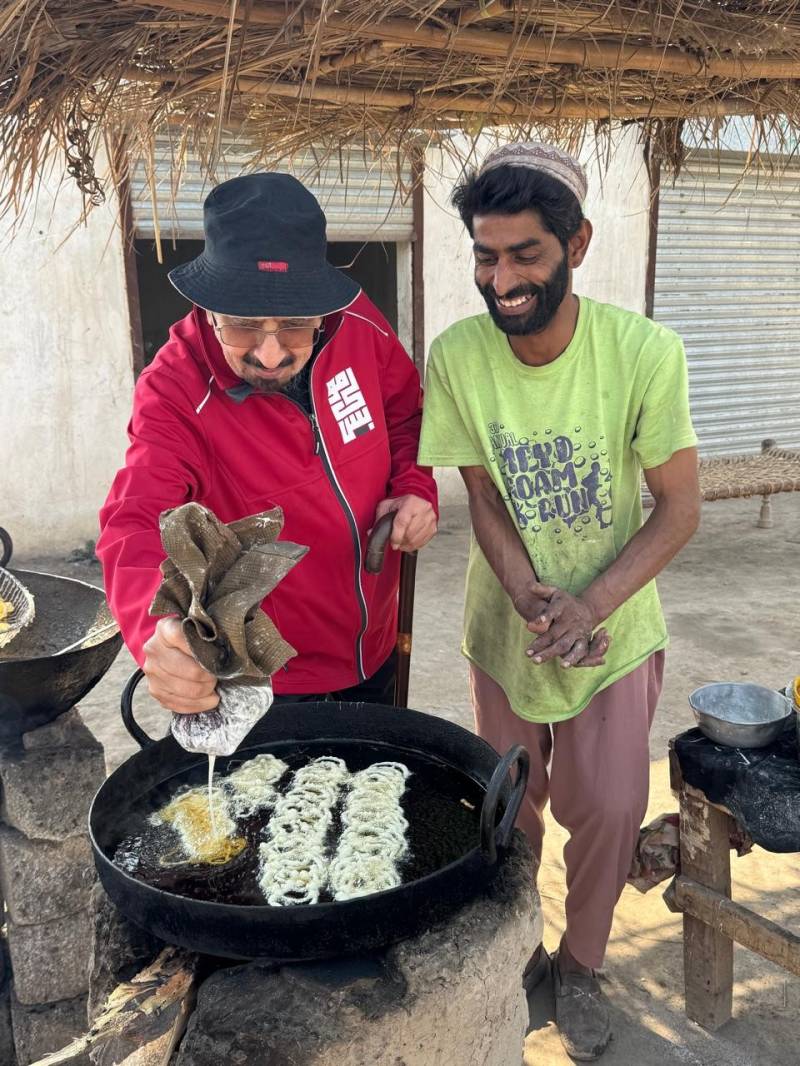
Once the jalebis are fried to a deep golden brown and become crispy, they are lifted from the oil and immediately dipped into hot, sticky syrup flavoured with rose water.
I enjoyed the freshly made, crispy jalebi. The aroma of the sugar syrup and wood smoke further enhanced the pleasure.
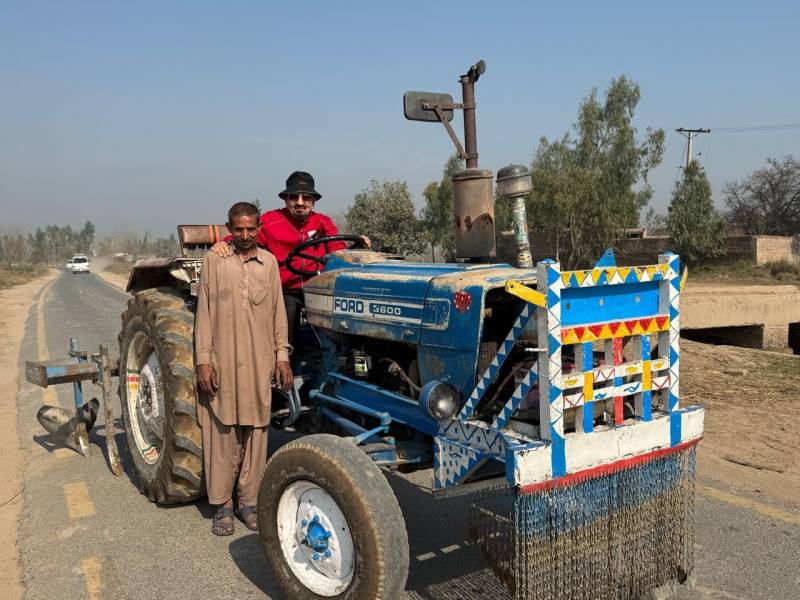
A village tractor ride is a memorable experience. My ride for leisure was an adventure in the countryside. With my co-driver, a pleasant middle-aged man, the company was filled with laughter and the smell of fresh earth. It was bumpy and noisy – but all in all, a very enjoyable joyride.
On my way, I came across two elderly villagers, one carrying a hookah. I greeted them with a smile and asked about the hookah – the “hubble-bubble,” as we call it in English. The preparation of the hookah is a ritual in itself. The charcoal is lit carefully, ensuring it glows red-hot before placing it on the tobacco-filled clay bowl. The deep, bubbling sound of the water in the background is music to village life.
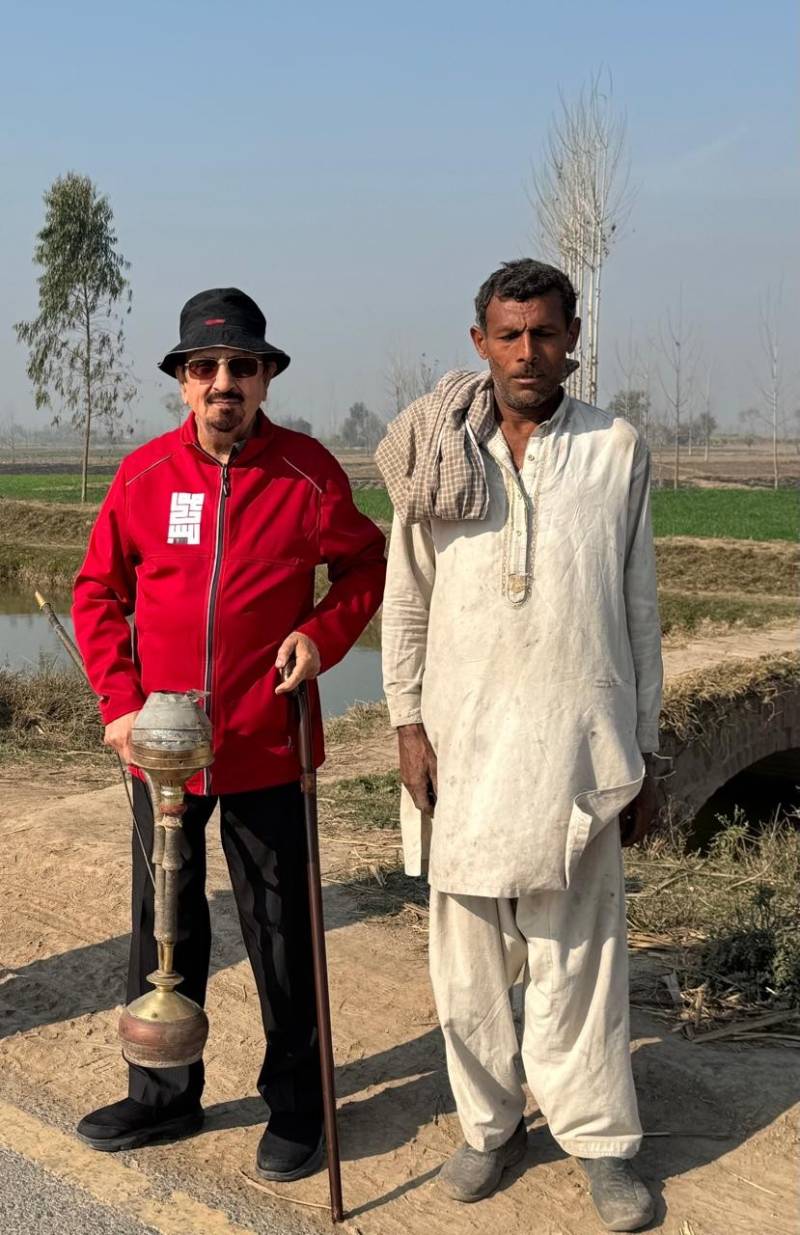
The hookah is a chain of brotherhood that bonds the villagers together; the latest village gossip is exchanged, and land disputes are settled. When a guest arrives, the first act of welcome is not food but the offering of the hookah.
In the village I visited, the tradition survives, and the sight of an elder passing the pipe to a younger man still echoes the deep-rooted culture of respect and village life.
On my return journey, I came across a caretaker farmer carrying a long staff, herding over 20 goats. These amazing animals, as I later learned, embody a secret life of tapestry woven with social intricacies, intelligence, foraging adventures, playful antics, and emotional depth.
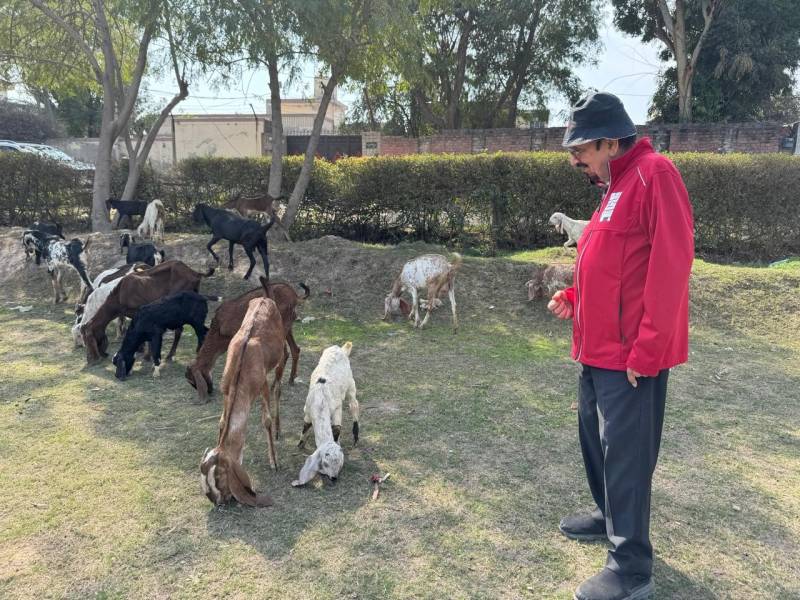
Goats are highly social animals that establish intricate hierarchies within their groups. From subtle ear movements to distinctive vocalisations, such as endearing bleats, goats are constantly engaged in a sophisticated language that allows them to navigate their social dynamics effectively.
Goats are much more than just cute creatures; they possess remarkable intelligence and problem-solving abilities.
While goats are commonly associated with grazing on grass, their culinary preferences extend far beyond a simple salad. These animals are natural foragers with eclectic taste buds, enjoying a diverse diet that includes leaves, twigs, bark, and various plants.
Behind their composed and stoic exterior lies a playful side that often goes unnoticed. These animals exhibit curiosity and playfulness, engaging in activities such as climbing, jumping, and head-butting.
Goats are not just intelligent; they are emotionally sensitive beings. These creatures form strong bonds with their herd mates and even with their human caretakers.
Goats are resilient due to their remarkable adaptability to diverse environments.
Beyond their charming appearance and endearing behaviours, goats serve practical purposes in land management. They are highly effective weed controllers, promoting healthier ecosystems. I enjoyed their company and sang hymns to my Lord.
My visit to a traditional village in Punjab offered a peaceful escape, featuring lush green fields, fresh air, and closely-knit family bonds. Watching birds, enjoying fresh rustic food like jalebi, walking through fields, and observing shepherds with goat herds – the essence of village life is a return to nature and a slower, more meaningful rhythm.