

Books often spark a reader’s curiosity about the authors who have shaped their minds. Thus, before I review National Resources: Letters from Algeria 1973–74, I must introduce its author, Dr David Cheesman, to the readers. He holds a PhD in South Asian history from the School of Oriental and African Studies, University of London. His PhD thesis was published under the title Rural Power and Debt in Sindh in the late Nineteenth Century 1865–1901. However, his book, National Resources: Letters from Algeria 1973–74, offers a more intimate, immediate window into a different part of that world. This collection comprises letters he wrote to his mother while serving as an English lecturer at Algeria’s University of Constantine. These letters present a rare, compelling glimpse into a country that was, at the time, little known to the English-speaking world.
The book employs a dual format: letters presented in the traditional format and letters outlined in boxes. The traditional letters feature titles and dates, while the boxed letters contain only dates. The traditional letters are descriptive, but the boxed entries are notably more reflective and thoughtful.
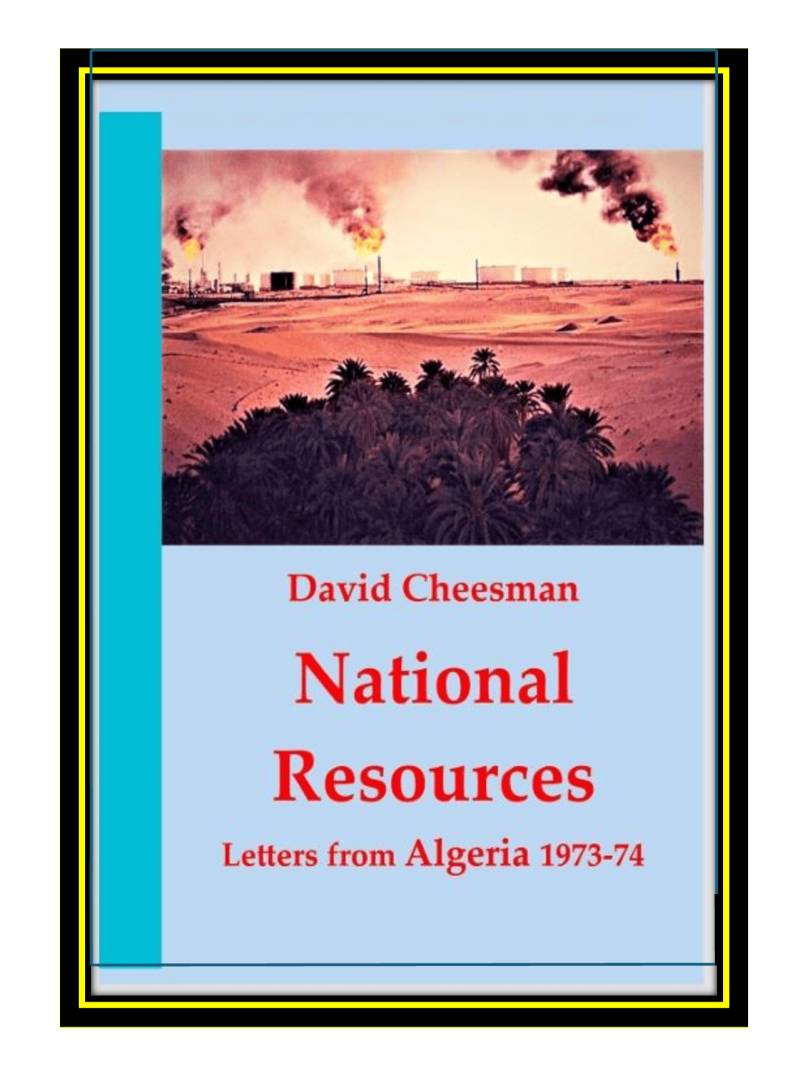
Title: National Resources: Letters from Algeria 1973–74
Author: David Cheesman
Publisher: Equality in Diversity, Luton, United Kingdom
The first letter, Algiers, describes the author’s landing in September 1973. The place hit him like a whirlwind: whitewashed buildings gleamed under the sun, streets were alive with honking cars and shouting vendors, and a blend of sleek modern vibes with timeless traditions was evident. Later, he associated with fellow expat teachers, wandered the university grounds, and dived into local customs, all while spotting the stubborn French hangover from colonial days. The bazaars and markets stole the show, but settling in as a newbie lecturer proved quite challenging; indeed, that transition involved a lot of bumps and continuous shifting.
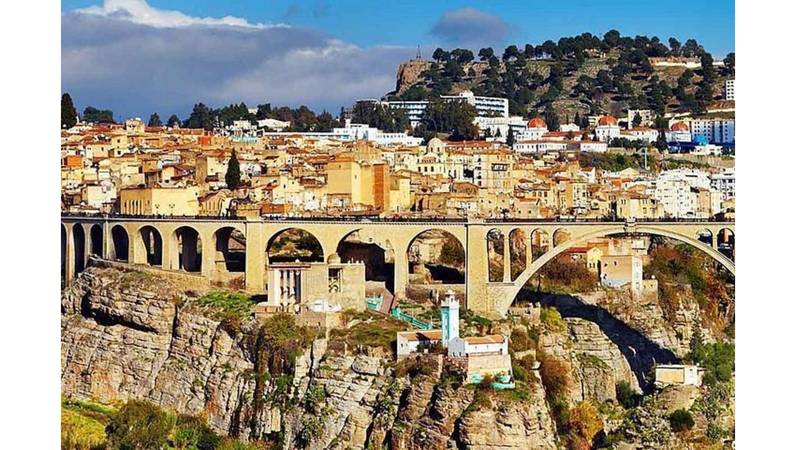
The second letter, Constantine, elaborates on his search for a home, which proved to be a total rollercoaster. He initially shared a place with a Frenchman named Marcel, who turned out to be a nightmare—rude toward Algerians and messy. He quickly left Marcel and moved into a Sidi Mabrouk block being constructed for foreigners. Eventually, he abandoned that and chose local neighbourhoods over foreign enclaves. It was both funny and frustrating, showing him how small victories, like a clean kitchen, became big wins in his new world.
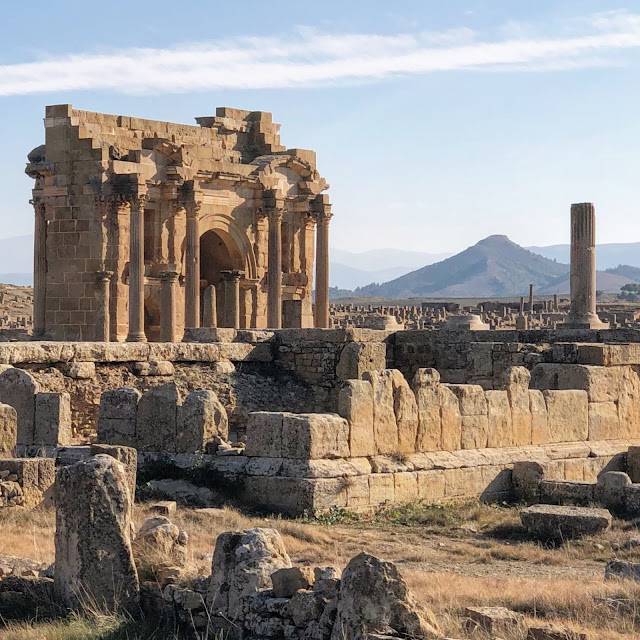
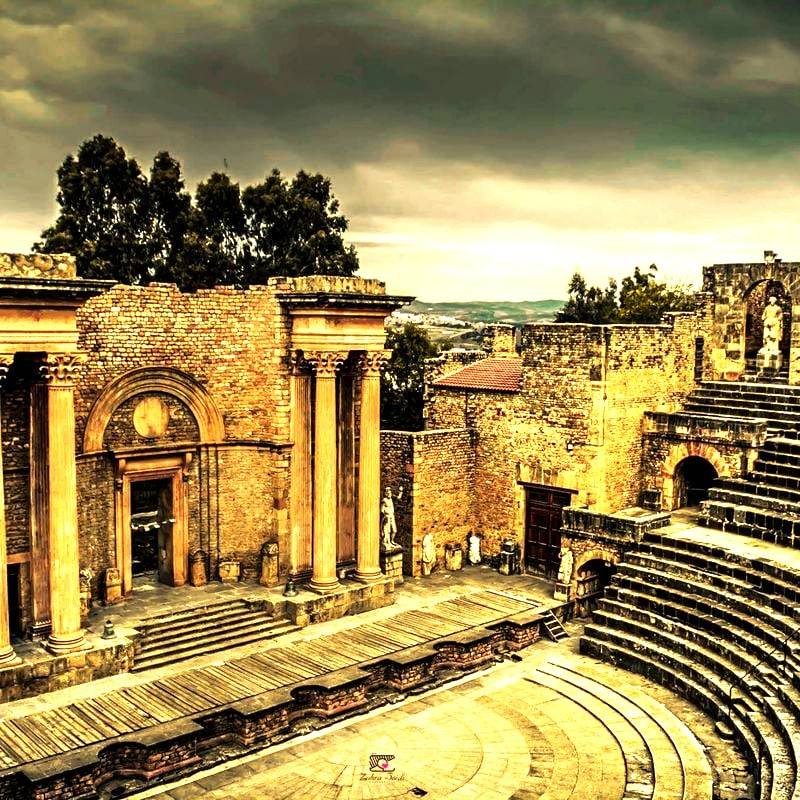
The third letter details his trip to the Aurès Mountains. The author writes that October brought a crucial road trip to Batna and the Aurès. He geeked out over colossal Roman ruins like Lambaesis and Timgad, marvelling at their grand amphitheatres, bustling ancient markets, and enigmatic sites such as Le Medracen. The adventure included stops at cozy French cultural centres, chats about local food, and a lively festival at Timgad, which mixed Algerian beats with French tunes. The stark, barren backdrops against which these timeless sites rested hammered home the deep layers of history buried there. The level of adventure was undeniably high, and his praise invites amateurs, professional historians, anthropologists, and archaeologists to visit the place.
For the Algerians, oil leverage was perceived as a continuation of their struggle against France, and they believed other Arab nations were now following their lead
Almost all expatriates know that after settling in a new country, the next challenge is the smooth and regular receipt of salary or remuneration. Delays occur due to bureaucratic hurdles and inefficiency. The author also faced this situation, narrating it in his letter, The Salary Challenge. He shares that from October 1973 to January 1974; the major challenge was getting his salary on time. He recounted incidents of near-brawls and strike threats from frustrated expats. He reflected on how locals viewed money and work. The author’s suffering could be called the grinding of the paycheck mechanism.
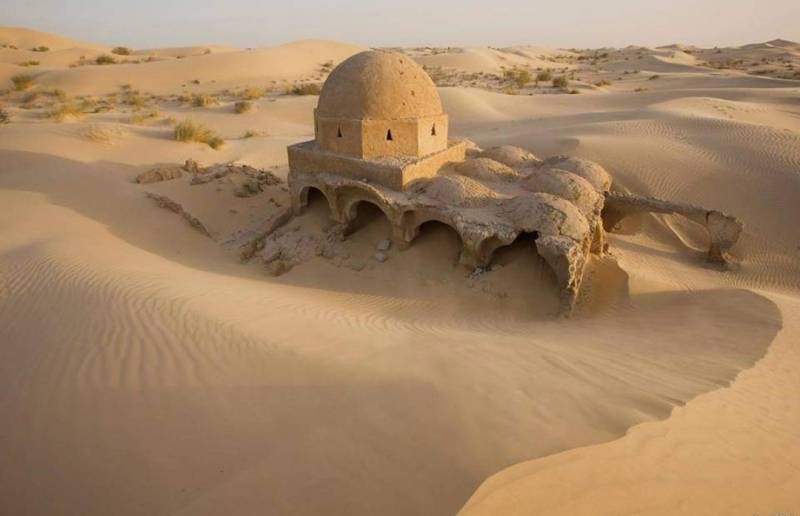
The two remaining letters presented in traditional style, Trip to the Desert and Cultural week, are distinct in their tone. In the letter, Trip to the Desert, the author narrates his southern jaunt to spots like Biskra, El Oued, Ouargla, Touggourt, and the oil hub of Hassi Messaoud. He writes in detail about bus rides that twisted through mountains and endless dunes, with oases popping like mirages, sandstorms whipping up, and forgotten Roman bits scattered around. He also spotlights his stays in rundown colonial hotels, meeting eccentric owners and wandering nomads, and pondering the vast solitude of the Sahara.
The letter, Cultural Week, he narrated that the event was an explosion of energy—folk dances, celebratory gunfire, lively music groups, and crowds so pumped that police had to step in. He highlighted the events, noting that there were Biskra performers, soulful Andalusian melodies, and even French Renaissance vibes. He did not forget to mention the raw audience energy, citing fights breaking out and wild applause.
The letter dated 31 October 1973 registers the author’s observation of the strong excitement among the Algerian people regarding the war with Israel. They viewed the conflict as a redemption of the 1967 defeats and were ecstatic over OPEC's decision to cut off fuel supplies to the West. He noted Algeria's unique position as the only country in the region to have nationalised all its petrol resources. For the Algerians, this oil leverage was perceived as a continuation of their struggle against France, and they believed other Arab nations were now following their lead. The letter dated 22 December 1973 chronicles a noticeable increase in tension and hostility the author experienced following a political incident in France. The author noted that things had become a bit strained since a bombing occurred in Marseille. He writes that on Monday, an individual poured out a stream of abuse at him in the street. Though he could not understand the Arabic, he realised the anger. When the author returned later, the man accosted him, asking viciously, "Êtes-vous français?" (Are you French?). He quickly replied, "Non, anglais" (No, English). The angry man then exclaimed, "Ah, ils sont bons, les anglais!" (Ah, they’re good, the English!). He narrates that the very next day, a group of teenagers followed him, chanting hostile terms like "Roumi!" (infidel/Roman) and "Fransiz!" (French) while chucking stones at him.
Likewise, the entry dated 30 December 1973 documents the author's mounting frustration. He questions why he felt so "fed up," concluding that this state of dissatisfaction was simply the natural state to life in Algeria for many Europeans, who sought remedies, possibly through evening bouts. The author muses that the shared difficulty ultimately defines the status of an expatriate in this environment, and he concludes with a resigned sigh, “Ah! It is Algeria.”
An earlier discussion with Martin is mentioned in the letter dated 30 December 1973. On that day they spoke about the world situation, specifically Europe and the UK, which seemed to be rapidly disintegrating. The author also writes about the superior hospitality he received in Algeria compared to the lack of it generally afforded to foreigners in his native UK. This comparison left him feeling shame regarding his own commercial and detached culture. In yet another entry on 30 December 1973, the author elaborates that he shared a café table with two Algerians. When they left, he approached the waiter to pay and was informed that his bill was already paid.
Another letter of the same date ie 30 December 1973, also records the author's appreciation for the high quality of essays submitted by his students. The letter focuses on a powerful narration from one of his best female students. In her essay, she highlighted a philosophical question regarding the value of imagination in the face of harsh realities. The essay proposed that imagination serves as the essential tool for survival.
The letter dated 2 January 1974 describes a melancholy event. The author recalls the previous night’s New Year’s celebration with a group of Algerian teachers and students. There was dancing and Arabic music until midnight. Following this, they abruptly sat down and listened to mournful French songs. When the author asked why such sad songs are being tuned? A student replied: "All beauty is tragic."
Moving into the new year, the letter dated 25 January 1974 records a serious political discussion. The author and his friend Martin discussed a terrifying, though not improbable, scenario: a coup d’état, which would result in their salaries being forgotten and the country's frontiers sealed. The author worried the CIA was trying to replace the present government as that was with the Chile’s President, Salvador Allende, he was assassinated in a coup on 11 September 1973.
Approximately two months later, the letter dated 27 March 1974 details a dramatic and disruptive weather event in Constantine—the arrival of the scirocco wind, which marked the end of winter with violent flair. At the University, the wind was almost too powerful to walk against it, and the high winds caused dangerous chaos in the city.
These letters collectively paint a picture of David Cheesman’s life in Algeria. However, this modest collection of personal correspondence transforms into an essential reading for anyone seeking to understand the African politics of 1970s. The book offers a rare, ground-level perspective on the African revolutions and the ideals of the Non-Aligned Movement. The contrast between the nationalistic pride and the difficult reality of the time forms the core of its complexity.
Let me end this review with these words. National Resources: Letters from Algeria 1973–74 is more than just a book of letters; in fact, it is a microcosm of an era. It provides an indispensable, unfiltered look at the birth of modern geopolitical power based on energy resources and the internal – often contradictory – pulse of a revolutionary African nation attempting to chart its own course.
It should be considered essential reading for anyone studying post-colonial politics, resource management, or the history of the 1970s Non-Aligned world.