

The phantom scent of cool Jamshoro breezes from the 1990s still lingers, summoning the hollow ache of late-night walks shared with Aijaz Mangi. Together, we traversed the deserted roads of the University of Sindh. In those days, Aijaz was a titan of the written word in Sindh. Indeed, a vast segment of the 1990s intelligentsia returned to the printed page solely to follow the rhythm of Aijaz’s prose, which elevated Sindhi journalism to the heights of a literary art form.
Beneath a moon of liquid mercury, we traced a familiar path past the university clinic and the Central Library. Occasionally, we drifted to a halt to gaze towards the eastern horizon, where the solemn silhouette of Allama II Qazi’s mausoleum stood in quiet vigil. A short distance to the right, the Institute of Sindhology arose as a haunting architectural marriage of Sindhi and Buddhist echoes. In the far distance, the dim lights of the Kotri Barrage shimmered like grounded stars.
On winter nights, the rhythmic pulse of the Bolan Mail cut through the dark, its sweeping beam casting an ethereal glow over the plains. In the tranquil hours of a full moon, the entire landscape surrendered to the silver light, evoking the quiet grace of a Cypriot village nestled on the moon-washed shores of the Mediterranean.
It was during one of those mesmerising nights that Aijaz insisted I read Anton Chekhov’s The Lady with the Dog. Drawing from a memory that seemed as sharp as the night air, Aijaz recited lines that shimmered in the darkness: “And only now, when his head was grey, had he fallen properly, really in love—for the first time in his life.” He spoke with a quiet reverence, marvelling at the psychological depths Chekhov could unearth in so few pages.
Years later, in the spring of 2022, I sat with Ukrainian Professor Yaroslav Hrytsak in the cafeteria of the 15th-century Convento di San Domenico at the European University Institute in Florence. The air carried the aroma of coffee and the heavy silence of the unfolding Russo-Ukrainian War. I remarked how strange it felt to begin a conversation with the horrors of conflict and end it with Russian literature. The professor laughed, though his eyes remained grave. “It does seem odd,” he replied. “Yet even now, Ukrainians fight the Russians by day, but keep Tolstoy, Pushkin, and Chekhov on their nightstands at night.”
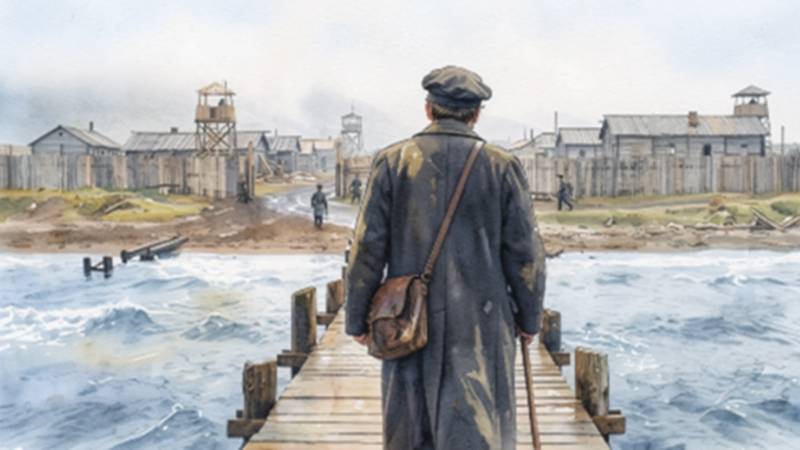
The penal colony tested every limit of human endurance; Chekhov observed closely, listened attentively, and recorded everything meticulously
By early 2026, while surveying supplementary readings recommended by anthropologists, I discovered Chekhov’s non-fiction work, The Island of Sakhalin, was frequently mentioned. With the help of a friend, I tracked down a 1967 edition of the book.
In 1890, despite suffering from tuberculosis, Chekhov departed Moscow. He endured an eleven-week journey across the rugged expanse of Siberia to reach the Sakhalin prison colony. He remained for three months, documenting the lives of the exiled in a hauntingly engrossing book and a series of letters to his kin. This shocking exposé revitalised his literary life, even as his short stories and plays continued to define his legacy.
Sakhalin is Russia’s largest island, covering over 70,000 square kilometres. It stretches nearly 1,000 kilometres along the eastern coast. The La Pérouse Strait separates its southern tip from Hokkaido, Japan. For centuries, Russia, Japan, and the Chinese Qing Empire vied for dominance here. In the 17th century, Japan and Russia began settling the island, eventually splitting it into a Russian north and a Japanese south.
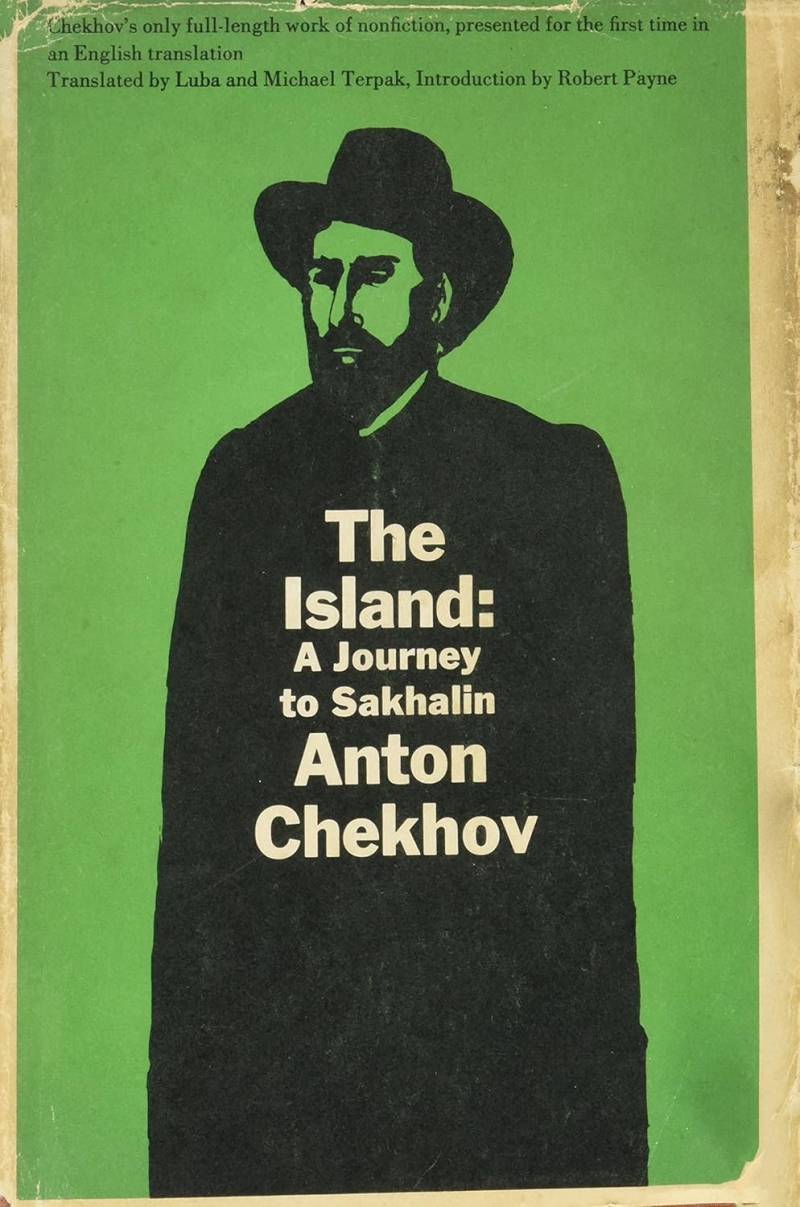
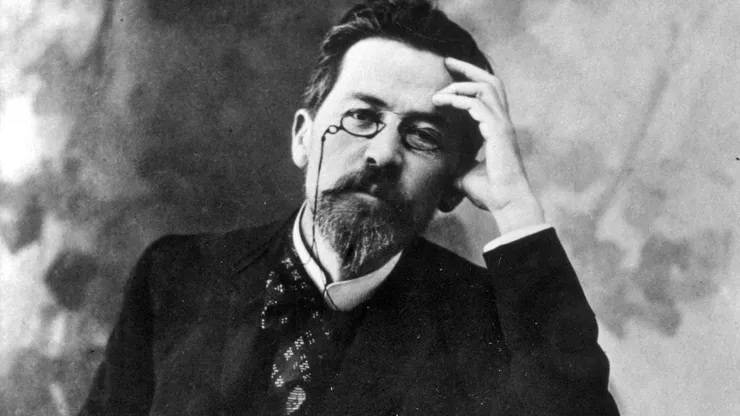
Anton Chekhov stepped onto Sakhalin soil in 1890. Harsh winds swept the coast, dense forests loomed overhead, and fires blazed on distant hills. This penal colony tested every limit of human endurance; Chekhov observed closely, listened attentively, and recorded everything meticulously. His resulting volume delivers an extraordinary portrait of life under extreme conditions—where the pages unfold many layers of existence so that readers embark on an unforgettable expedition into a forgotten world.
He reached Nikolayevsk first during his long journey, where the Amur River stretched wide and the sea air carried distant promises of the unknown. Local tales warned of brutal winters ahead, while convict shadows lingered nearby in the area. The town appeared weary and faded; houses stood empty in rows and windows gazed vacant across the landscape. Residents survived through fishing in the abundant waters, as gold lured some adventurers and deer antlers supplied Chinese markets with sought-after goods. Chekhov absorbed these scenes with keen interest and prepared mentally for the challenges. Soon, the steamship Baikal carried him across turbulent waters, as Cape Pronge emerged on the horizon and estuary inlets beckoned with quiet mystery.
Upon arrival, he experienced immediate immersion into island life. The Alexandrovsk post bustled with constant activity, with huts clustered together in tight groups as inhabitants shared stories of their experiences. Chekhov initiated his ambitious census without delay and designed special cards suited to the task. Each card captured essential facts, including settlement names, house numbers that identified locations, and status categories which classified the people. He recorded personal names with careful entry, while ages noted precise details. Religions reflected diverse backgrounds, as birthplaces traced distant origins and arrival years marked important timelines. Occupations identified daily labours, while literacy status revealed educational realities. Dawn started his days early and night ended them late. He moved house to house with determination, a systematic effort that mirrors modern ethnographic practice. Data revealed clear patterns, as demographics clarified underlying structures and social realities surfaced through the accumulated information.
Convict life dominated the landscape completely, with prisons that housed diverse populations from across Russia. Wards held chained men in difficult circumstances, while the legend of the “Golden Hand” circulated among residents. Workshops hummed with various activities and labour filled days from morning until evening. Coal mines demanded great strength and resilience, while latrines revealed the stark conditions inside the facilities. Chekhov inspected everything with thorough attention and noted overcrowding in the living spaces. Sanitation problems persisted throughout, as medical facilities struggled with limited resources. Hospitals showed clear limitations in care and diseases claimed many lives over time. Mortality statistics accumulated in his notes, while individual accounts added depth and humanity. The story of Yegor stood out vividly and others followed in sequence; personal voices humanised the statistics effectively.
Chekhov travelled onward through the island, as southern shores awaited his arrival and western coasts presented fresh challenges. Korsakov post appeared after difficult journeys and climate shifts marked clear progress southward. Northern fog yielded to different conditions, while southern areas offered slight relief from the extreme cold. Settlements dotted the valleys in scattered patterns and farms attempted cultivation with mixed success. Many efforts faltered due to poor soils and housekeeping practices varied among households. Convict householders managed plots of land and status changes occurred over the years. Settlers transitioned through different categories as peasants once exiled sought stability in new homes.
Village authorities exercised control over daily affairs while gender dynamics created ongoing tensions; women remained scarce in the population. Female settlers navigated serious difficulties daily and cohabitation arrangements formed as practical solutions. Free women arrived in limited numbers while children represented hope amid hardship. Families grew despite obstacles and marriages united couples in formal and informal ways. Birth rates reflected complex realities as Sakhalin youth faced unique circumstances from birth.
Daily occupations sustained existence as agriculture required persistence and hard work. Hunting supplemented resources when possible and fishing proved essential for survival. Migratory fish arrived seasonally in great numbers while whales appeared in the waters. Herring provided abundant catches and prison operations managed the harvests carefully. Food routines followed established patterns as meals reflected widespread scarcity. Clothing was issued sparingly to the convicts. Church services provided structure and comfort, while schools operated modestly with basic instruction. Literacy levels varied widely among adults and children.
The free population segments existed separately from the convicts as military ranks maintained order. Guards enforced rules with strict authority while the intelligentsia group stayed small in numbers. Morality questions arose constantly in conversations as crimes reflected the pressures of island life. Punishments varied in severity with birch rods that served as common tools. Lashes were administered in public displays, and the death penalty was applied rarely in practice. Escape attempts revealed deep desperation as reasons traced deep into personal histories. Chekhov consulted records extensively while official sources cross-checked personal testimonies for accuracy. Objectivity guided every step of his work as compassion infused all descriptions.
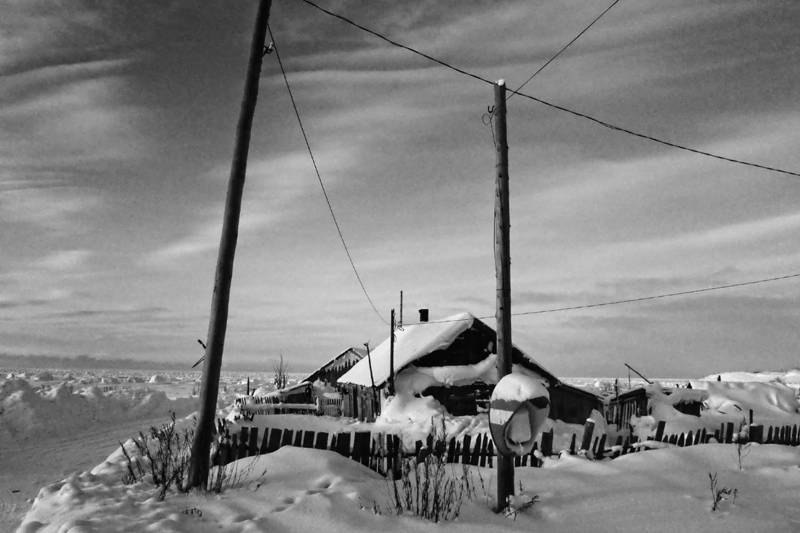
Huts opened their doors to his inquiries, and the inhabitants welcomed his presence with an unexpected openness. During these intimate conversations, opinions flowed freely, and the scenes of island life came alive through their vivid, firsthand accounts. Beneath the surface of these honest exchanges, raw emotions emerged, revealing a remarkable resilience that shone through years of systemic hardship.
The social fabric of the island was further textured by a significant indigenous presence, with Ainu communities fighting to maintain their ancient traditions against the tide of imperial expansion. In the northern regions, the Gilyaks held their ground steadfastly, even as political boundaries shifted under mounting external pressure. Chekhov documented these diverse cultures with a scientist’s precision and a humanist’s empathy, mapping their geographical dispersion while offering a fair and nuanced assessment of their unique temperaments.
Chekhov journeyed with clear purpose throughout his stay as three months passed swiftly in intense activity. Immersion deepened his understanding of local conditions while multiple sites were visited in succession. Prisons were toured with official permission and settlements explored thoroughly. The colonisation model exposed many flaws; labour exploitation was evident in daily routines as bureaucratic inefficiencies were highlighted repeatedly. Through a humanistic lens, he captured human dignity; suffering was portrayed honestly with sensationalism absent from every page. Reality stood stark and undeniable. The writing style of the book blends science with literature effectively as statistics are presented clearly. Narratives are woven skilfully while anecdotes added life to the pages. Chekhov’s medical training sharpened all observations; he linked nutrition to health outcomes and hygiene to the spread of disease.
Budding anthropologists find a masterclass in holistic immersion within the pages of The Island of Sakhalin. Chekhov’s journey suggests that a true understanding of the human condition requires more than detached observation. It demands a meticulous mapping of the environment in its entirety. The text weaves together the harshness of the subarctic climate with the skeletal remains of material culture and the invisible chains of social hierarchy. This teaches the researcher how to see a society as a living ecosystem. His lesson remains clear: studying a people requires accounting for the entire world that contains them. This includes everything from the architecture of their confinement to the rhythmic pulse of ancient traditions. Chekhov offers a recommendation regarding ethical advocacy through clinical rigour. He proved that a researcher can possess a physician’s cold eye for detail while maintaining a heart tuned to the quietest frequencies of human suffering. Without doubt, the book serves as a reminder to those entering the field that anthropology is a sacred act of witness, but one must be a participant.