

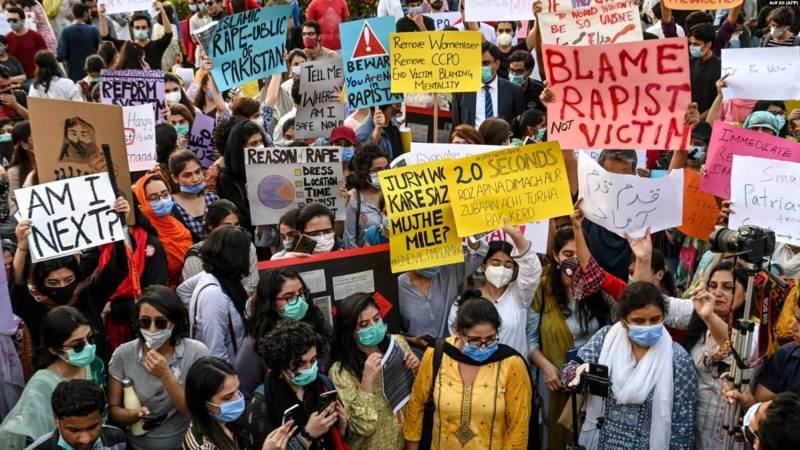
Somewhere in Pakistan right now, a survivor is waiting. She reported an assault, sat through a medical exam, gave her statement, and then watched her case disappear into a system that will likely take two to three years to reach a verdict for a trial the law says should take three to four months, according to a lawyer who works these cases. That gap is what actually decides whether a survivor gets justice, not the wording of the statute she reported under.
That statute has just been amended for the fourth time since 2006. The Anti-Rape (Amendment) Act 2026, passed by the National Assembly in May after already clearing the Senate, declares sexual assault, physical abuse, and child exploitation non-bailable offences, and requires child victims to undergo a certified forensic medical exam within 24 hours of a report. It also closes a gap that had sat quietly in the 2021 Anti-Rape Act for five years: the word "bail" never appeared in that law at all, which meant courts could still grant pre-arrest bail to the accused in child sexual abuse cases under ordinary criminal procedure. The 2026 amendment shuts that door except in extraordinary circumstances. These are real, overdue protections, and the lawmakers who pushed them through deserve credit for closing a loophole survivors' advocates had flagged for years.
But one number hasn't moved in twenty years, through three previous rounds of reform. The national conviction rate for reported rape cases in Pakistan sits at roughly 5 per cent, according to recent reporting drawing on government-notified committee data, with some categories as low as 0.5 per cent. That is the reality this new amendment inherits, and closing a bail loophole does not change it on its own.
The Limits of Legislative Reform
It's worth walking through why. The Protection of Women (Criminal Laws Amendment) Act, 2006, moved rape out of the Hudood Ordinances so a survivor no longer risked being prosecuted for zina alongside her attacker. The Criminal Law (Amendment) (Offences Relating to Rape) Act, 2016, made DNA testing mandatory and required a female officer to take a survivor's statement. The Anti-Rape (Investigation and Trial) Act, 2021, created special courts and hospital-based crisis cells so survivors wouldn't have to retell their story in front of strangers at every stage.
A survivor can do everything right - report quickly, sit for the exam, give her statement - and still lose her case to a system where nobody followed through on the paperwork
Each law mattered when it passed. None of them, on its own, moved the conviction number, because none reached the place where survivors actually lose their cases: the police station and the courtroom.
That failure is documented, not a guess. Years after the 2016 DNA mandate became law, court reporting found that investigating officers were often unaware it existed at all, and complied mainly in cases that had already become public news, leaving ordinary survivors—the ones without a headline behind them—without the evidence their case needed. A survivor can do everything right—report quickly, sit for the exam, give her statement—and still lose her case to a system where nobody followed through on the paperwork.
Structural Investment Over Statutes
There is one number that should give survivors real hope, though it points to a more specific fix than a new bail clause. Sindh's rape conviction rate rose from about 5 per cent in 2020 to somewhere between 17 and 22 per cent by 2025, and provincial police have credited that rise chiefly to Special Sexual Offences Investigation Units set up in every district: trained officers whose job is handling these cases properly from the first report onward.
Gender-based-violence courts, notified nationwide under the 2021 Act rather than built by Sindh alone, played a role too. But the model doesn't travel on its own: Punjab hosts the country's oldest such court, opened in Lahore back in 2017, and still recorded a rape conviction rate of roughly 0.4 per cent in 2024, despite handling the largest volume of cases of any province. A courtroom without trained investigators and working forensic evidence behind it doesn't move the number by itself.
That is what deserves to happen next, everywhere. A non-bailable classification and a 24-hour exam mandate will help some survivors get justice they were denied before. But on their own, they are unlikely to be enough, because similar changes haven't been enough three times already. Each of those earlier laws was announced as the moment things would finally change, and each still left survivors sitting through years-long waits, hoping a lab somewhere would get to their sample before a witness stopped answering calls.
What Sindh's numbers suggest is that specific, funded investment moves the needle more than a new clause on its own: trained investigation units in every district, forensic labs beyond the handful of provincial hubs that currently function, and real enforcement of the DNA mandate that has existed on paper since 2016. Punjab's stalled numbers, despite having the oldest specialised court in the country, are the clearest warning that structure without staffing changes nothing. Survivors have waited through four rounds of this law. What they're still waiting for is a system that works the way each one promised it would.