

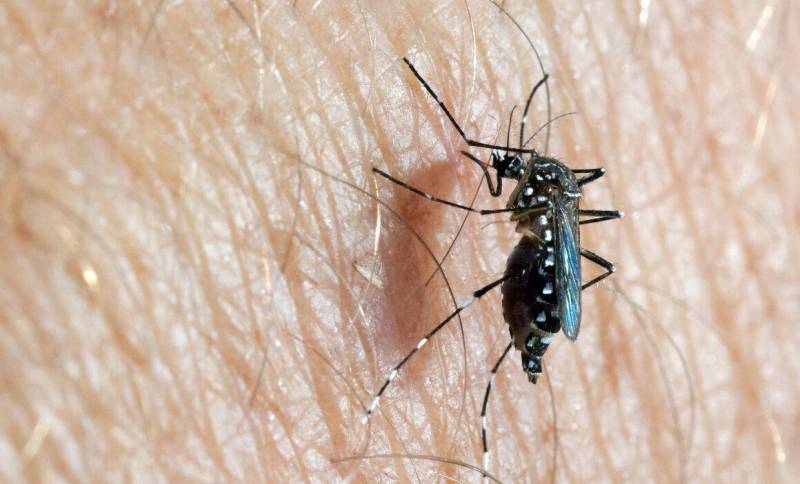
Pakistan’s soldiers face a threat that is routinely ignored, i.e., vector-borne diseases. Malaria, dengue, leishmaniasis, and Crimean-Congo haemorrhagic fever are not only public-health problems; they can weaken military readiness, reduce manpower, and disrupt field operations. In a country where troops are deployed across deserts, floodplains, mountains, and contested border regions, the danger from mosquitoes, sandflies, ticks, and other disease-carrying vectors remains constant.
The risk intensifies during the monsoon season, after floods, and in temporary camps where water collects, and sanitation is difficult to maintain. In such settings, mosquito populations surge, ticks spread through livestock contact, and infected personnel can carry disease silently into a unit before the first symptom appears. For the military, even a localised outbreak carries wider consequences, affecting training schedules, mobility, and the ability to respond to emergencies.
Pakistan’s geography and climate create ideal conditions for vector breeding. Warm temperatures, stagnant water, poor drainage, crowded living arrangements, and close contact between humans and animals all help sustain the cycle of transmission. In areas such as Khyber Pakhtunkhwa, former tribal districts, parts of Balochistan, and flood-affected districts of Sindh, soldiers may face prolonged exposure while carrying out security duties, relief work, or field exercises. Under these circumstances, prevention is not a discretionary measure, but an operational need.
The health consequences for soldiers can be severe. Malaria may present initially as fever and fatigue, but without timely intervention, it can progress rapidly to life-threatening complications. Dengue can lead to high fever, body pain, bleeding complications, and hospitalisation. Cutaneous leishmaniasis may produce persistent skin lesions or, in its visceral form, systemic illness with serious long-term implications.
Crimean-Congo haemorrhagic fever is particularly alarming because it can be spread through tick exposure, may become life-threatening, and requires immediate isolation and specialist care. Each of these diseases can remove a trained soldier from active duty for days or weeks, and in some cases, much longer.
A well-prepared battalion can substantially reduce risk by selecting safer camp locations, avoiding stagnant water sources, and adjusting movement patterns when disease risk is high
The challenge is not solely medical but operational. A sick soldier cannot patrol, stand guard, or respond to a rapid-deployment order. When illness spreads across a unit, the problem becomes larger than individual health. Medical staff face huge caseloads, commanders must manage reduced effective strength, and logistics become more difficult. Vector-borne diseases must therefore be understood as a readiness issue as much as a medical one.
Prevention must begin at the level of the individual soldier. Personal discipline is the first barrier against infection. Soldiers should apply insect repellent, wear protective clothing, sleep under insecticide-treated mosquito nets wherever conditions permit, and avoid resting near standing water and conduct thorough tick checks after operating in brush, grassland, or areas with livestock. Fever should never be ignored, particularly following field duty or movement through high-risk districts. Early reporting and early treatment can prevent severe illness and limit the spread within a unit.
Education is just as important as equipment. Soldiers must understand the behaviour and seasonal activity patterns of the vectors they face. The Aedes mosquito that transmits dengue bites during the day, so protection must continue beyond nighttime hours. Malaria risk peaks at night, especially in rural and flood-prone terrain. Ticks may be picked up during patrols, exercises, or contact with animals. A soldier who understands these risks is more likely to observe preventive measures with consistency.
At the unit level, commanders have a central role to play in vector control. Units should ensure standing water is eliminated from the boundaries of tents and barracks; drainage must be maintained; waste areas must be kept clean; and sleeping quarters must be inspected regularly. Sanitation duties should be clearly assigned and actively supervised. Regular targeted briefings before the monsoon season or ahead of deployment to high-risk areas can help units stay alert and prepared.
Medical surveillance within the unit is equally important. A soldier presenting with fever, headache, rash, or unexplained weakness should be evaluated promptly rather than reassured with a routine diagnosis. A cluster of fever cases is an early-warning signal that demands immediate investigation. In military settings, speed is not a luxury. A delay of even a few days can transform a manageable medical episode into a significant operational setback.
Prevention at the battalion level demands deliberate planning. Battalion commanders should maintain a standing vector-control plan that maps high-risk periods, vulnerable sites, and accounts for available medical resources. Supplies such as repellents, nets, and cleaning materials should be stockpiled before peak transmission seasons.
Battalion-level planning becomes especially critical during flood-relief deployments, border operations, and field exercises in rural terrain. These are the situations where troops are often most exposed and least able to control their environment. A well-prepared battalion can substantially reduce risk by selecting safer camp locations, avoiding stagnant water sources, and adjusting movement patterns when disease risk is high. This preventive planning does not merely save time but also saves lives.
At the garrison level, the response must be broader and more systematic. A military base should function like a public-health-managed environment, with active surveillance, sanitation, and early warning systems. Regular inspection for mosquito breeding sites, larval control, waste management, and systematic fever monitoring should be part of routine operations. Base medical services should track illness patterns to ensure that emerging clusters are identified before they escalate.
Where feasible, bases should establish working relationships with local health authorities. Vector-borne disease does not respect administrative boundaries, and military installations often sit close to civilian communities where outbreaks begin. Coordinated civil-military action can improve outbreak detection and strengthen control efforts across a wider area.
The threat to Pakistan's soldiers is real, but it is manageable. Vector-borne diseases may lack the visibility of armed engagement, yet their cumulative impact on force readiness can be profound. A unit weakened by fever, a battalion slowed by outbreak response, or a base dealing with repeated cases is less prepared to perform its mission.
The message is clear: prevention must be built into military life at every level. The individual soldier must protect himself. The unit must enforce discipline. The battalion must plan and supervise. The garrison must control the environment. In Pakistan’s climate and terrain, mosquitoes, sandflies and ticks will persist. The only meaningful question is whether the military can remain one step ahead of them.