

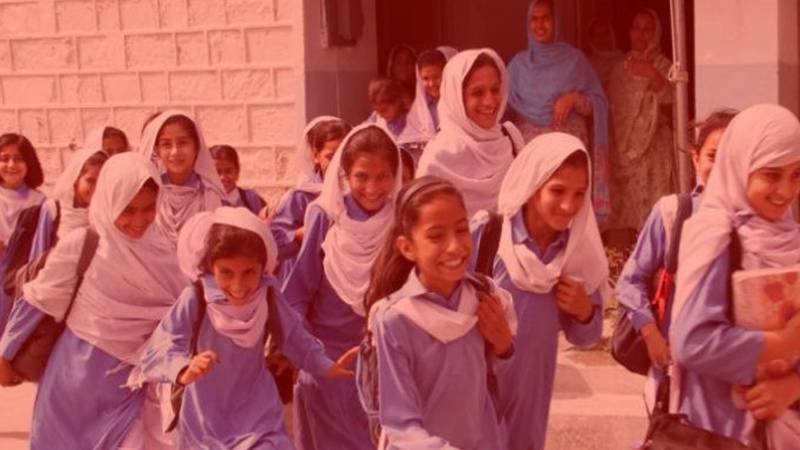
Pakistan’s education system continues to struggle in delivering quality education, particularly at the foundational level, which directly affects the readiness of students for higher education and global competitiveness. Despite numerous reforms and policy interventions, systemic weaknesses persist, including disparities between urban and rural schools, shortages of trained teachers, inadequate curriculum design, and limited access to co-curricular and enrichment activities.
A recent study by Dr Asim Ejaz Khawaja of Harvard University and colleagues, published in 2025 by the National Bureau of Economic Research under the title Helping Schools Survive: Experimental Evidence on the Impact of Financial and Educational Support to Private Schools, provides experimental evidence from Pakistan indicating that targeted interventions – such as school loans and educational products and services – can substantially improve school survival rates, teacher efficiency, and curriculum delivery. These findings offer a valuable framework for reflecting on strategies to strengthen Pakistan’s school education system and better prepare students for higher learning.
Teacher efficiency emerges as a critical determinant of learning outcomes. Professional development programmes that equip teachers with modern pedagogical strategies, classroom management techniques, and formative assessment skills are essential. A 2024 report by the Higher Education Commission of Pakistan indicated that many teachers lack exposure to continuous professional training, which negatively affects student outcomes. When teachers are inadequately prepared, curricula, no matter how well-designed, fail to translate into meaningful learning. Improving teacher quality is therefore not merely a technical intervention but also a socio-political challenge, requiring incentives, accountability mechanisms, and cultural shifts within schools.
Curriculum alignment is equally important. Static, examination-focused curricula fail to nurture critical thinking, creativity, and analytical skills. International research has shown that systems which prioritise rote memorisation over problem-solving weaken students’ ability to engage with complex real-world challenges. Pakistan’s recent attempt at standardisation through the Single National Curriculum has faced uneven implementation. A study in Balochistan by Jan and colleagues in 2023 highlighted challenges such as teacher resistance, lack of resources, and insufficient adaptation to local contexts – demonstrating that policy adoption on paper does not automatically lead to improved learning outcomes. Schools must therefore move towards dynamic curricula that encourage inquiry, experimentation, and project-based learning, creating the cognitive foundations necessary for higher education and professional adaptability.
Prioritising teacher efficiency, curriculum relevance, financial sustainability, and student engagement can transform schooling into a launching pad for higher education and lifelong learning
International evidence reinforces these conclusions. In Kenya, the introduction of school report cards and community monitoring improved accountability and student performance, particularly in low-resource settings. In India, state-level reforms in Kerala and Himachal Pradesh, with a focus on teacher training, curriculum innovation, and performance evaluation, have produced measurable gains in literacy and numeracy. Finland and Singapore provide further models, where teacher autonomy, continuous professional development, and student-centred curricula have consistently produced high-performing graduates. Pakistan can learn from these examples by adapting their strategies to local socio-cultural contexts, while addressing infrastructural and political constraints.
A culture of joy, creativity, and engagement within schools is equally essential. Learning thrives in environments where students are encouraged to participate, debate, and collaborate. In Pakistan, co-curricular activities such as science fairs, literary clubs, arts festivals, and student societies are underutilised but have tremendous potential to foster social skills, confidence, and curiosity. Experience from Nordic countries and Singapore shows that exposure to such activities correlates strongly with higher academic achievement, emotional intelligence, and civic engagement. Embedding these opportunities in school education requires deliberate policy support, funding, and teacher facilitation, alongside curricular reforms.
Financial sustainability is another critical factor. Low-cost private schools play an important role in providing access to education, especially in underserved areas, but face significant challenges such as poor infrastructure, a lack of qualified staff, and resource constraints. The research by Khawaja and colleagues in 2025 demonstrates that financial interventions and support services can enhance these schools’ effectiveness, suggesting that well-targeted investment can bridge access and quality gaps. At the same time, public schools require adequate funding, transparent governance, and continuous monitoring to ensure equitable outcomes.
Implementation difficulties remain substantial. Political instability, resource disparities, cultural resistance, and weak accountability mechanisms frequently hinder reform efforts. Even well-conceived policies such as the Single National Curriculum risk faltering without local adaptation, teacher commitment, and community support. Systemic change in Pakistan’s school education thus demands not only technical solutions but also strategic coordination across ministries, institutions, and civil society.
In conclusion, strengthening Pakistan’s school education system requires a multi-pronged approach. Prioritising teacher efficiency, curriculum relevance, financial sustainability, and student engagement can transform schooling into a launching pad for higher education and lifelong learning. Evidence from both Pakistan and abroad illustrates that strategic interventions, supported by professional development, dynamic curricula, and a culture of joy, can produce graduates who are not only academically competent but also socially confident and adaptable. Pakistani schools can become incubators of talent, curiosity, and resilience, laying the foundation for higher education and professional success in a rapidly changing world.