

The ongoing instability and deep-rooted political turmoil in Balochistan have turned journalism into a high-risk profession. The political dynamics of the Makuran Division differ somewhat from those in the rest of Balochistan, particularly in terms of tribalism, as the Sardari system is relatively weaker in the region than in other Baloch-dominated districts of the province. This, in turn, influences the nature of the conflict and how people, including journalists, navigate it.
In the Makuran region, journalists operate under constant pressure, facing censorship, threats, and violence from multiple sides. These challenges hinder the development of constructive and responsible journalism. This story aims to explore how local journalists navigate these risks while striving to report constructively in the Makuran Division. Makuran is an administrative division in the south of Balochistan, along the Gulf of Oman, sharing a border with Iran (Figure 1). In the Makuran Division, approximately 40 journalists are currently registered, including 19 with the Gwadar Press Club, 11 with the Panjgur Press Club, and 10 with the Turbat Press Club
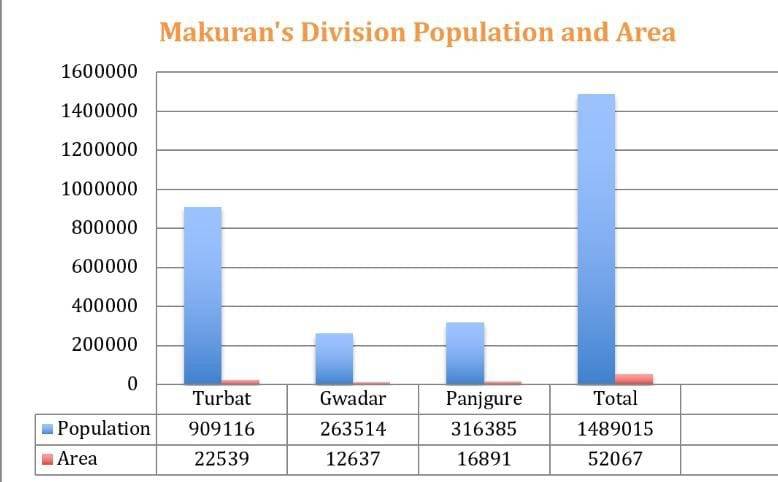
Figure 1, Data source (Rafiqiue 2022)—the Chart compiled by the author.
Makuran is an administrative division of Balochistan, a province of Pakistan; it is located in southern Balochistan, along the Gulf of Oman, and shares a border with Iran. According to data from press club representatives, about 40 journalists are currently registered with press clubs across Makuran. Of these, 19 are registered with the Gwadar press club, 11 with the Panjgur press club, and 10 with the Turbat press club.
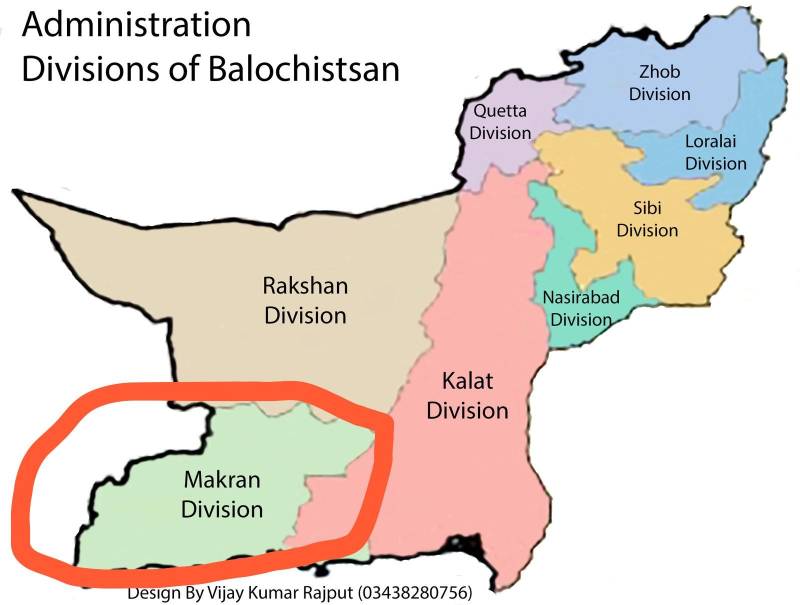
Figure: 2, Makuran’s Map
Local journalists in the Makuran division face numerous challenges while reporting during the ongoing conflict. Local journalists highlight how they are cultivating constructive and responsible reporting in a complex, often volatile environment.
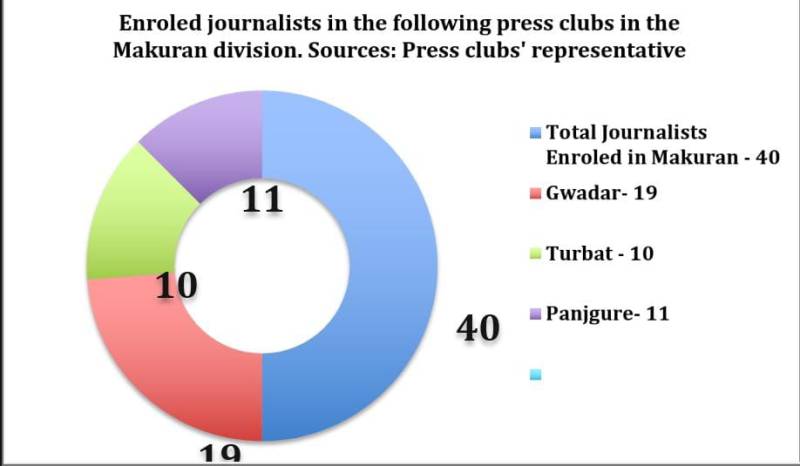
Figure 3. Chart compiled by the author, data sources: Press club’s representative
As per the local journalist Assad Baloch, “When an incident occurs, journalists are expected to report the news immediately, even though verified information is often unavailable at the initial stage. They must rely on their own sources, professional judgment, and verification processes before publishing. If their reports differ from official statistics, they may face pressure to explain and defend their reporting. At the same time, militant groups may react negatively if their perspective is not reflected in the coverage. This places journalists in a difficult and vulnerable position, particularly in conflict-affected areas.
Journalists covering conflict zones cannot act as representatives of either the government or militant groups. Maintaining neutrality and reporting without bias is especially challenging in the Makuran region, where security concerns are significant. To avoid victimization, journalists must take careful safeguards while reporting and remain aware of the situation's sensitivity.
Conflict reporting requires more than courage; it demands sensitivity, accuracy, historical understanding, and awareness of cultural dynamics. By following established conflict- reporting guidelines, verifying facts, providing context, using careful language, and prioritising the human impact of events, journalists can ensure constructive reporting. This approach helps the audience better understand conflict while avoiding stereotypes, misinformation, and harmful narratives Quick Guide: Reporting Conflict, April 03, 2026). The given graph shows how many journalists from Makuran are associated with mainstream and digital media.
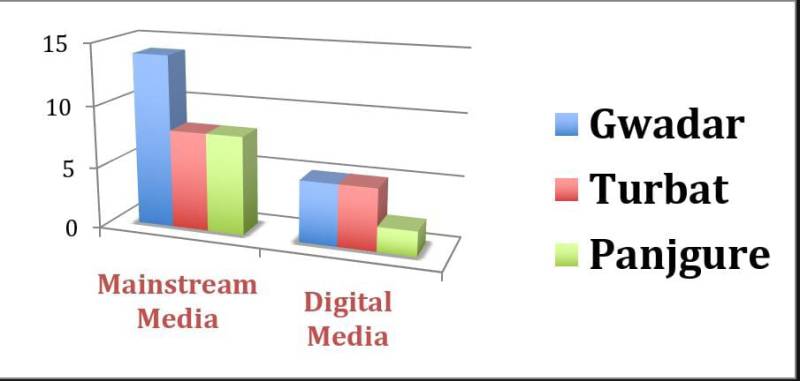
Figure: 4, Chart compiled by author data provided by local journalists
An online survey was conducted regarding conflict reporting and challenges in the Makuran division. 12 journalists participated, primarily reporting on political and conflict-related issues. When asked about the challenges they face in conflict reporting, 41% of respondents reported experiencing pressure and difficulties from government authorities and armed groups. Meanwhile, 25% reported that they can conduct their reporting independently without major interference. The remaining respondents identified various other challenges. The distribution of responses is illustrated in the graph below.
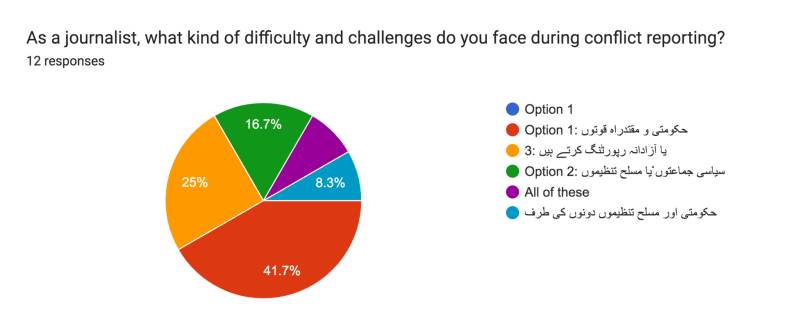
Figure 5, Online survey conducted among local journalists
According to the Pakistan Press Foundation (PPF) findings report from January 2002 to November 2012, at least 48 journalists have been killed in the line of duty in Pakistan. Of these 48 journalists, 14 were from KPK, 12 from Balochistan, 9 from Sindh, 8 from FATA, 3 from Punjab, and 2 from the federal capital, Islamabad. Pakistan Press Foundation.
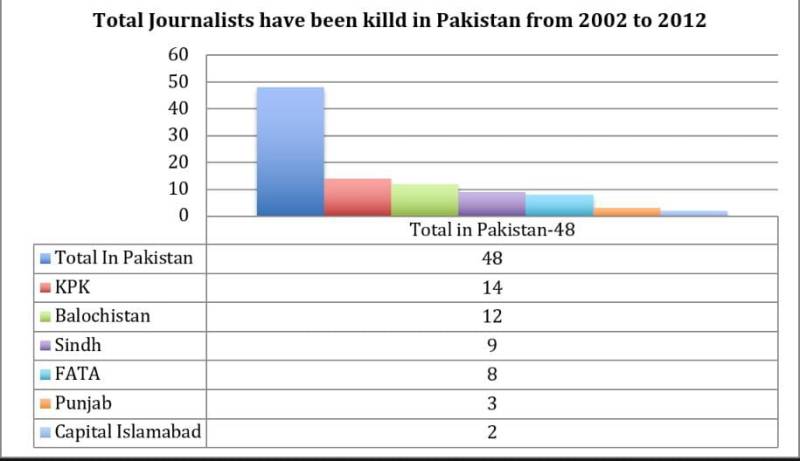
Figure 6: Chart compiled by the author from the PPF data sources. [1]
Since 2010, approximately 40 journalists have been killed in Balochistan, with around 5 of them belonging to the Makuran division. The most dangerous period for journalists was between 2010, 2011, and 2012, when incidents of targeted attacks and killings were at their peak. Muhammad Siddique Mengal in Khuzdar in March, 2024, Lala Hameed was arrested in Gwadar in 2010, Ilyas Nazar in Turbat in January 2011, Dost Rind in February 2011 in Tump Turbat, Razzaq Gul in May 2012, Khalid Musa on 23 October 2012, were killed by unknown persons. This reflects the risks faced by journalists in conflict-affected areas of the province at that time. Pakistan Press Foundation (PPF)
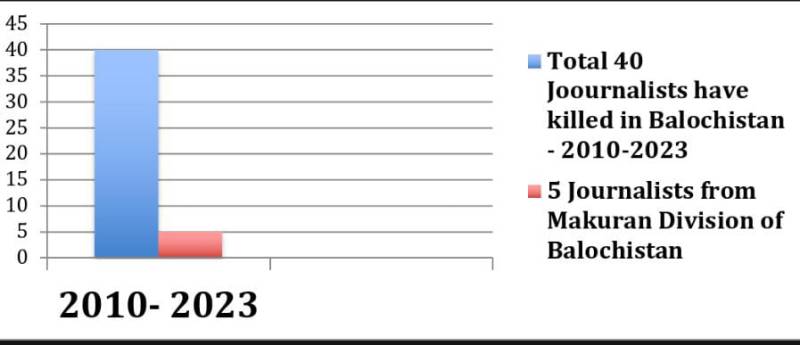
Figure 7. Chart compiled by the author from the data sources, Pakistan Press Foundation (PPF)
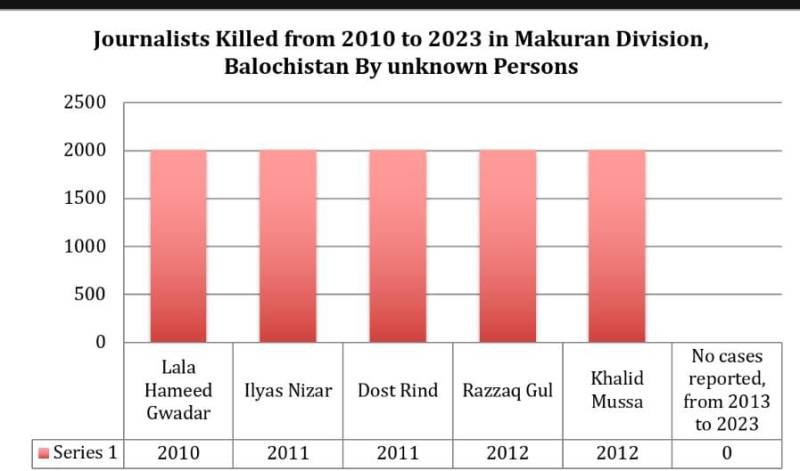
Figure 8. Chart compiled by the author; data sources: PPF.
In today’s digital age, many individuals reporting from conflict zones often do not follow professional journalistic ethics because they are not trained journalists and lack editorial guidance. As a result, instead of producing constructive and responsible reporting, they may unintentionally become part of the conflict narrative or intensify harmful content.
In such situations, Journalists working in conflict-affected regions should be provided with legal protection, financial support, and proper institutional backing, while adhering to professional ethics and organisational rules after receiving training. Strong accountability mechanisms and constructive journalism practices can help them remain impartial, reduce risks, and build a reputation as balanced professionals.
According to UNESCO and Reporter Without Borders reports, at least 68 journalists and media workers have been killed in the line of duty so far in 2024. More than 60% of the killings took place in countries in conflict, the highest percentage in more than ten years. Since 1st January 2026, 21 journalists were killed, and 470 journalists and media workers are detained globally as of today. 85 journalists and media workers were killed in the Israel-Gaza war in 2024 and 78 in 2023. UNESCO Report, RSF and CPJ.
Government authorities, media organisations, and relevant stakeholders should institutionalise capacity-building programs at the domestic and district levels to enhance journalists’ understanding of federal and provincial media laws, conflict reporting, and threat management. Collaboration among local administrations, Deputy Commissioners, and NGOs should be strengthened to deliver tailored training in conflict-affected regions, such as Makuran in Balochistan. Ensuring legal protection, safety mechanisms, and institutional support for journalists must be prioritised to safeguard independent reporting.
Promoting professional ethics and the principles of constructive journalism should be integrated into all training frameworks to encourage responsible, balanced, and non-activist reporting, thereby strengthening democratic discourse. Embedded journalism is a practice used in conflict and war reporting. Globally, in conflict reporting, to ensure an accurate flow of information from conflict and war zones, journalists have often been embedded with military units. This practice has been widely used in several wars, including World War 2, the 1991 Gulf War, the Afghanistan War 2001-2022, and the Iraq War 2003-2011, Britannica, The Guardian.
Although the Makuran division is currently more affected by the ongoing conflict, journalists face significant challenges in maintaining positive, constructive reporting, as most are associated with mainstream electronic and print media. However, if relevant institutions provide their reporters with regular professional training on conflict reporting, it can further strengthen and promote constructive journalism in the region.
In conflict zones, there can be multiple mechanisms to promote constructive reporting; however, the most effective approach is to strengthen professional training, institutional support, and adherence to established reporting guidelines to ensure responsible, constructive reporting. Another mechanism should be considered; to promote responsible, professional, and constructive reporting, the government should establish a regulatory mechanism requiring mainstream media organisations to provide their Out-station Reporters (OSRs) with fair salaries, job security, health benefits, training opportunities, and safe working conditions. Once journalists have access to proper facilities and benefits, they are more likely to maintain professionalism and contribute positively to society.