

Ahmeddin Siddiqi was an archaeologist who supervised the excavation work at Mohenjo-Daro under Sir John Marshall's guidelines during 1925-26. The SD Area of Mohenjo-Daro, which is the Citadel or the Upper City, is named after him. The area was excavated between 1925 to 1927. Once this area was surrounded with a city wall, and it served as government or administration area along with religious significance.
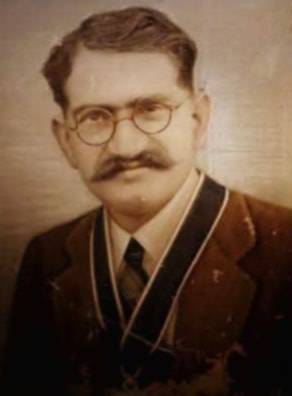
Siddiqi was born on 5th May 1892. His father's name was Muhammad Aslam Siddiqui. He was a landlord of Sialkot area. He possessed over 100 Kanals or 12 Acres of agricultural lands on the banks of Chenab River. He originally belonged to Qureshi, Siddiqi family of Village Sahowala, District Sialkot, in the Punjab Region of United India.
According to family traditions, Ahmeddin Siddiqi passed his primary education from Village Sambrial in Sialkot District in 1903. Afterwards he passed his Middle examination from Sialkot City in 1906. In 1908, he passed his Matriculation from Gujranwala. He passed his FA in 1910 from same city. Finally he completed his BA Degree from Government College Lahore in 1912.
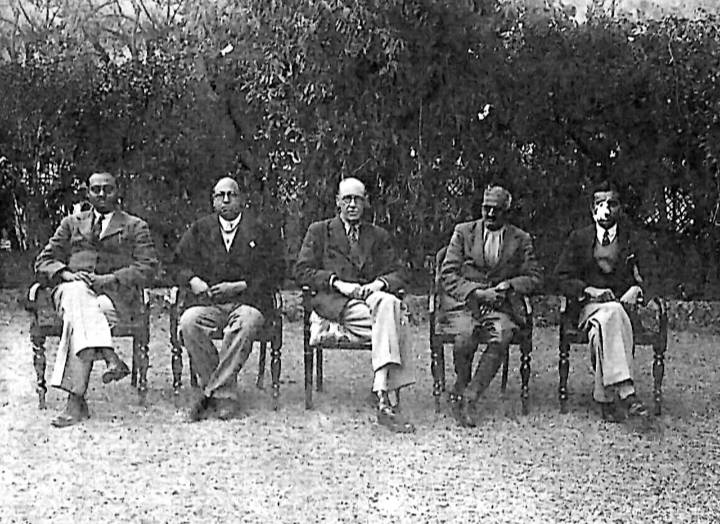
Sir John Marshall, the Director General of Archaeology in India, appointed him as a Clerk on 5th May 1914. His pay was Rs.50/= per month in the beginning. Ahmeddin Siddiqi was promoted as Photographer on 15th June 1918. Later, he was promoted as Draughtsman on 10th August 1921. Sir John Marshall DGA wrote these remarks for Ahmeddin Siddiqui on 16th June 1922:
"Is doing admirable work, and giving entire satisfaction."
Ahmeddin Siddiqui was granted the title of Khan Sahib on the 1st March 1929 for his valuable services in the era of colonial archaeology
Finally he was appointed as Excavation Assistant on 11th February 1925. This was the time when Sir John Marshall was deciding to start massive excavations at Mohenjo-Daro. He started excavations of the 'Great Bath and Adjacent Buildings' in 1925 and 1926. Sir John Marshall called this "SD Area" after his excavation Assistant Ahmeddin Siddiqi, who was working under Sir John Marshall guidelines.
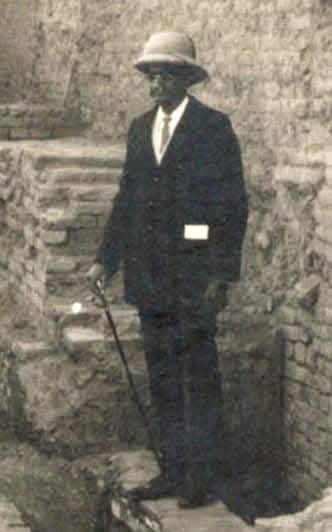
Describing the Great Bath and other buildings, Sir John Marshall writes in Mohenjo-Daro and the Indus Valley Civilization for “Chapter X, SD Area,” that, "This bath, which belongs to the Intermediate Period, was cleared in 1925-26 under the direction of Sir John Marshall, and in size and conception is the most elaborate structure that has up to the present been found in any part of Mohenjo-daro (131)."
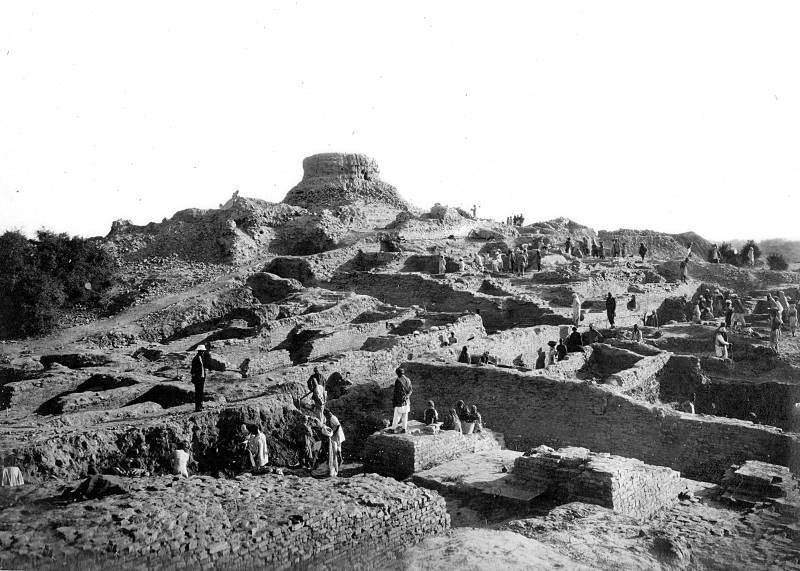
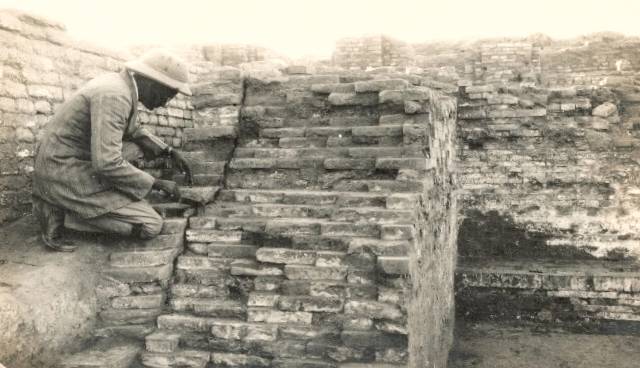
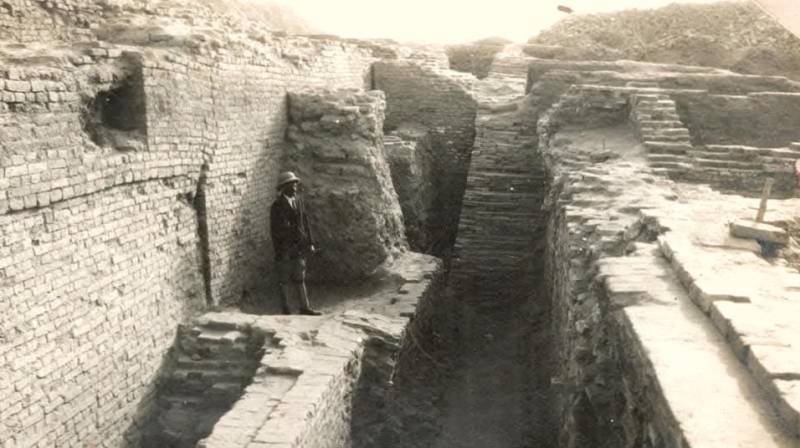
Various types of architectural features and buildings were excavated during this excavation, ie the Great Bath Complex along with walls, houses, a series of rooms, courtyards, bathrooms, chambers, platforms, stairways, drains and water chutes. The important objects found from this area were: bricks, spindle whorls made of faience, pottery heaters, seals, copper chisels, spacers, beads, shell inlay, faience bracelets, conical stones, vases, painted potsherds, offerings stand, stone balls, pottery models of bulls, rams, and other animals and birds.
Illustrations of these antiquities are published in the 3rd Volume of Sir John Marshall’s Mohenjo-Daro and the Indus Valley Civilization, London 1931. Mr JF Blakiston, Archaeological Superintendent, Muhammadan and British Monuments, Northern Circle wrote good remarks on his Service Book in January 1927.
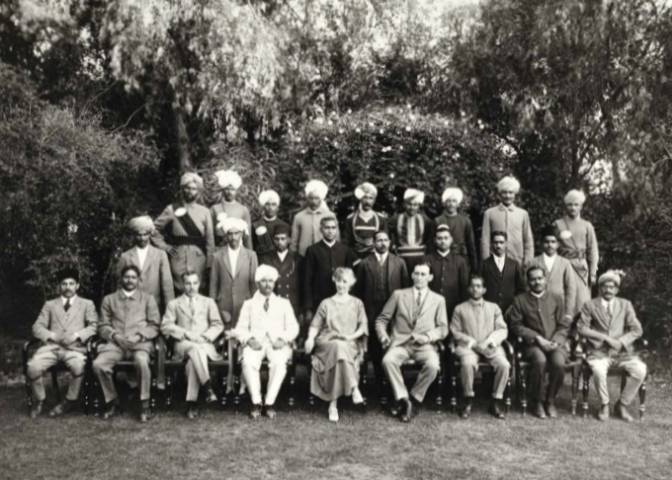
Ahmeddin Siddiqui was granted the title of Khan Sahib on 1st March 1929 for his valuable services in the field of colonial Indian Archaeology. He was holding charge of the Taxila Museum from 17-05-1936 to 13-06-1936. The same charge was taken by him from 05-07-1938 to 04-09-1938. Many times, he contributed to the War Funds. The ex-officials of the Archaeological Survey of India like Sir John Marshall, DB Spooner, JF Blakiston, Daya Ram Sahni, Sir Mortimer Wheeler, A Ghosh and others admired him for his excellent services from the years 1916 to 1945.
On 27 March 1945, Sir Mortimer Wheeler, the Director General of Archaeology in India, wrote following letter to Khan Sahib Ahmeddin Siddiqui:
I have the utmost pleasure in testifying to the excellent services which Khan Sahib AD Siddiqui has for many years, rendered to the Archaeological Survey of India. Indeed after his retirement on the completion of normal services, he was brought back to the Department for a period of special duty. He is entirely conscientious and loyal and has, in particular, an intimate knowledge of certain parts of the northern Punjab where he has long lived and worked.
Recently, he has been engaged on administrative work for the Department in connection with the organisation of a Departmental Training School at Taxila, Punjab, and he has given the same satisfaction as previously.
Signature
REM Wheeler
Director General of Archaeology in India
27th March 1945
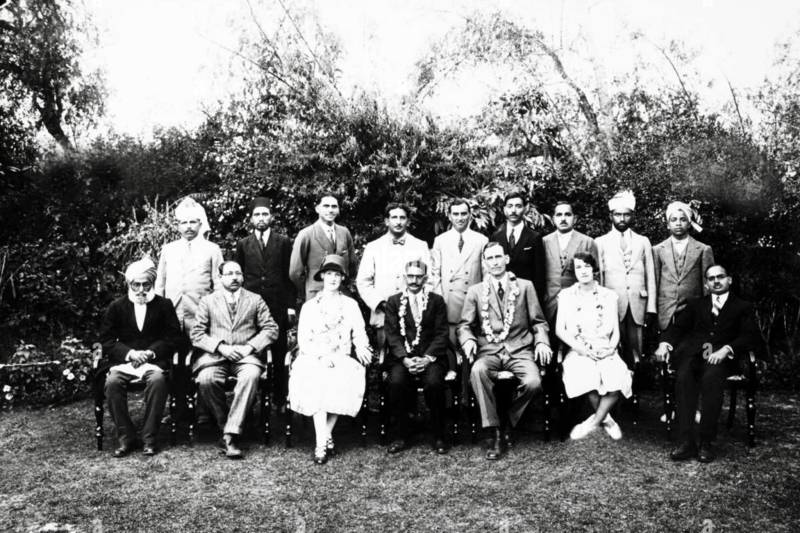
Sir John Marshall wrote following remarks for Khan Sahib Ahmeddin Siddiqui after his services:
AVONDALE,
Sydney Road, Guildford
It is a great pleasure to me to send this testimonial to my old friend and associate, Khan Sahib AD Siddiqui. Mr Siddiqui was my Assistant for over twenty years, first as draughtsman, afterwards my Excavation Assistant. He was hard working, reliable and efficient, always pleasant to deal with, good-tempered and loyal to the core. Can I say more? Only that I never want a better assistant.
Sir John Marshall
Director General of Archaeology in India
7th January, 1946
Khan Sahib Ahmeddin Siddiqui served as In-charge Taxila Archaeological Museum from 18-10-1945 to 14-8-1947. Later on, he was succeeded by Mr Fazal Qadir who served as In-charge from 15-8-1947 to 12-10-1951. Ahmeddin Siddiqui retired from the service on 01-06-1944. His final salary was Rs 460 at the time of retirement.
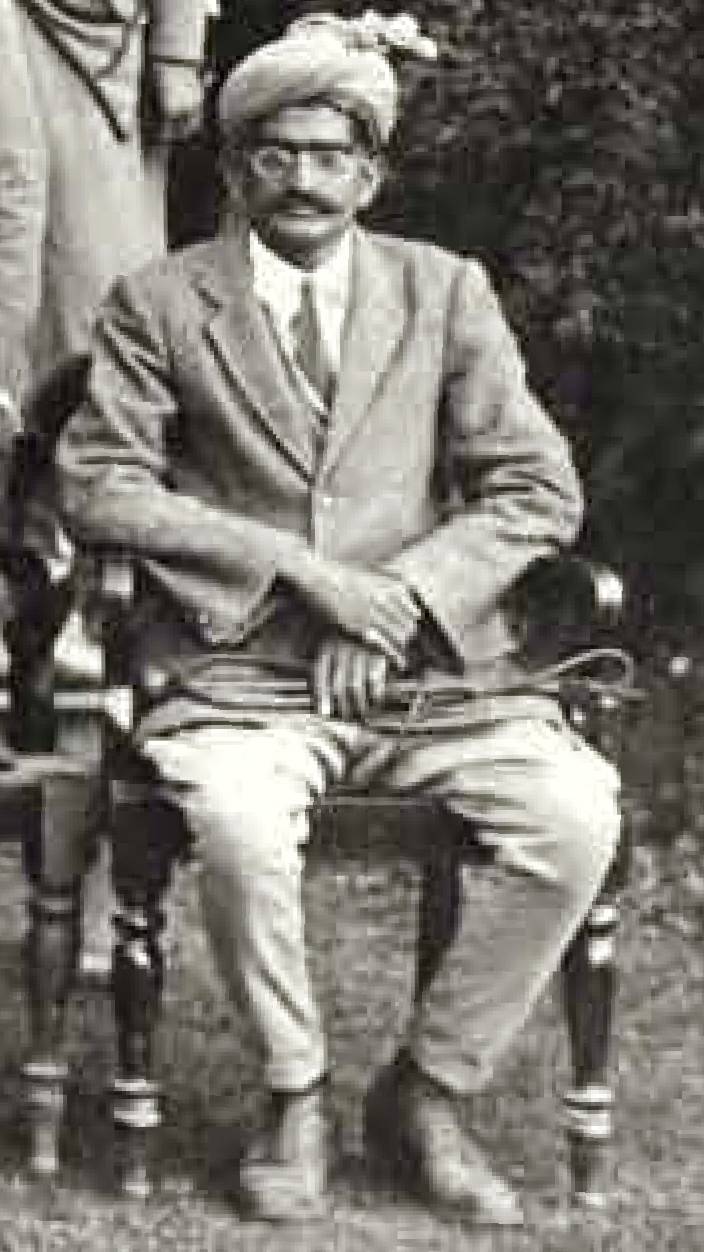
On 13 April 1945, NP Chakraverti from the Office of the Director General ASI (Simla) sent the original copy of the Service Book to Khan Sahib Ahmed Din Siddiqui who was living in Taxila, District Rawalpindi, Punjab. After Sir Mortimer Wheeler (1944-48), NP Chakraverti served DG ASI from 1948 to 1950.
After his retirement, Khan Sahib Ahmed Din Siddiqui spent most of his life reading books and exchanging correspondence. He frequently sent post cards to his relatives, colleagues and friends. And he maintained his diary, which focused on daily life and family matters. He received many letters from his officials and friends from England, Italy and India during his tenure.
He also used to visit his agricultural lands. He travelled through India, Bangladesh and probably Turkey. He was fond of horse-riding. He used to put on a white turban on his head, but in his last days he liked to wear the Jinnah Cap. He sometimes put on an English hat also, especially during the excavations.
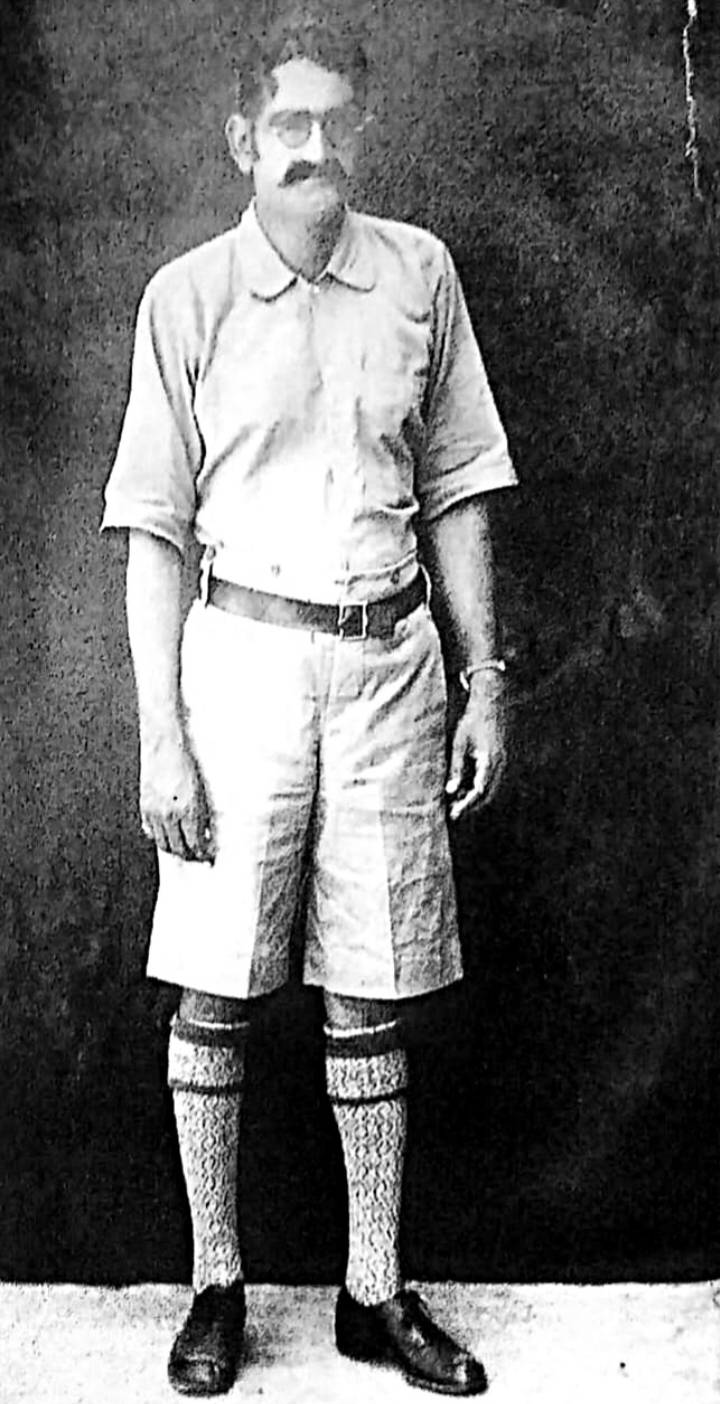
Khan Sahib Ahmed Din Siddiqui and Sir John Marshall became lifelong family friends who continued to exchange letters till the death of Marshall in 1958. Some letters express Marshall's love for Taxila and protection of its archaeological heritage. All these historic letters are preserved by Haji Iftikhar Uddin Siddiqui, the grandson of Khan Sahib Ahmed Din Siddiqui.
Khan Sahib Ahmeddin Siddiqui died 5th May 1963. As per his wish, he was buried in the corner of his Haveli, locally known as Mehmud Manzil in Taxila.
He had five sons, namely 1) Muzaffar Ahmed 2) Manzoor Ahmed 3) Mushtaque Ahmed 4) Abdul Hafeez and 5) Mehmud Ahmed.
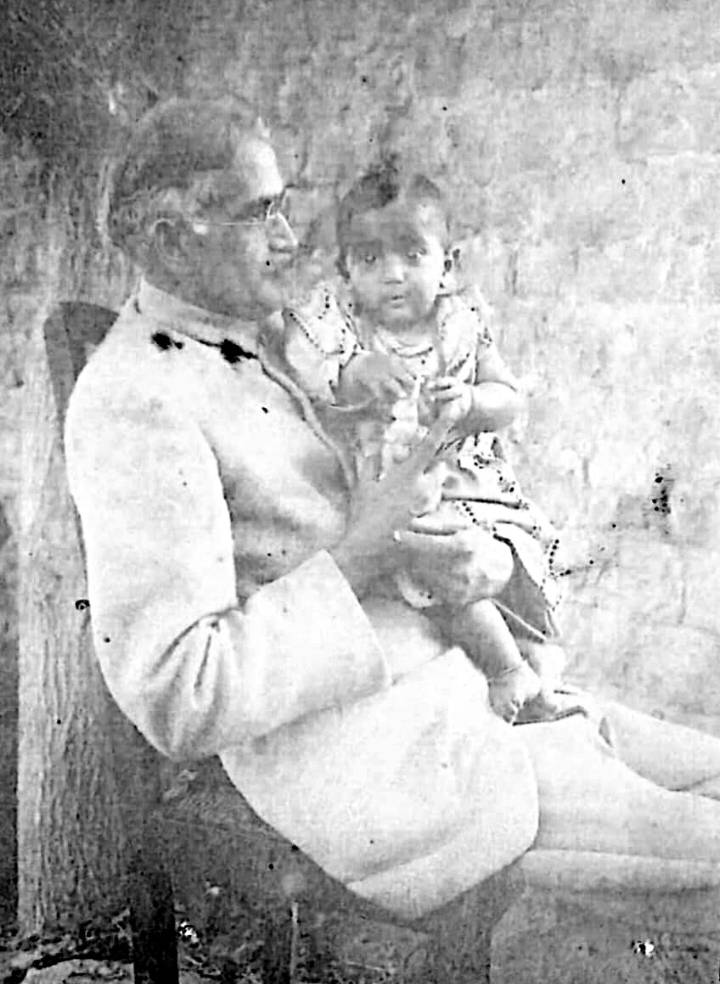
His two daughters were 1) Khurshid Bibi and 2) Mumtaz Bibi.
None of his immediate children are alive today.
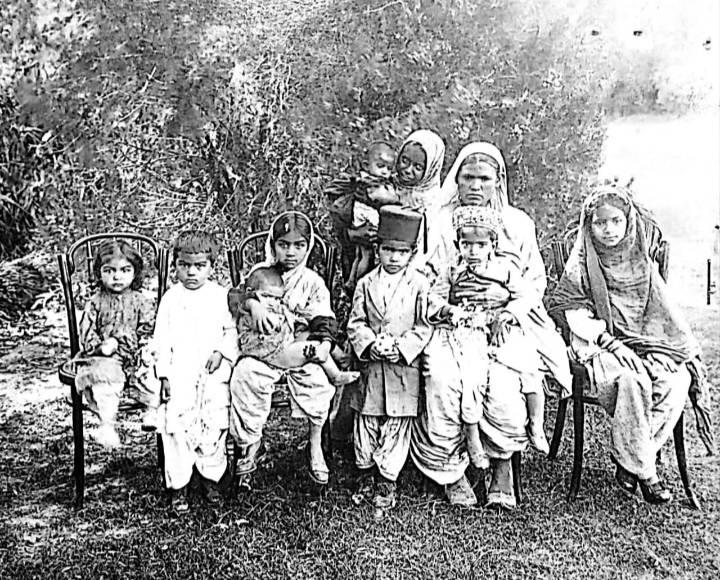
His son Manzoor Ahmed Siddiqui was a draughtsman in the Archaeology Department of Pakistan. He performed his duties at Mohenjo-Daro, Makli, Harappa, Taxila, Peshawar and Swat. Currently Iftikhar Uddin Siddiqui, the son of Manzoor Ahmed Siddiqui and the grandson of Khan Sahib Ahmed Din Siddiqui, is working with the Taxila Resource Centre.
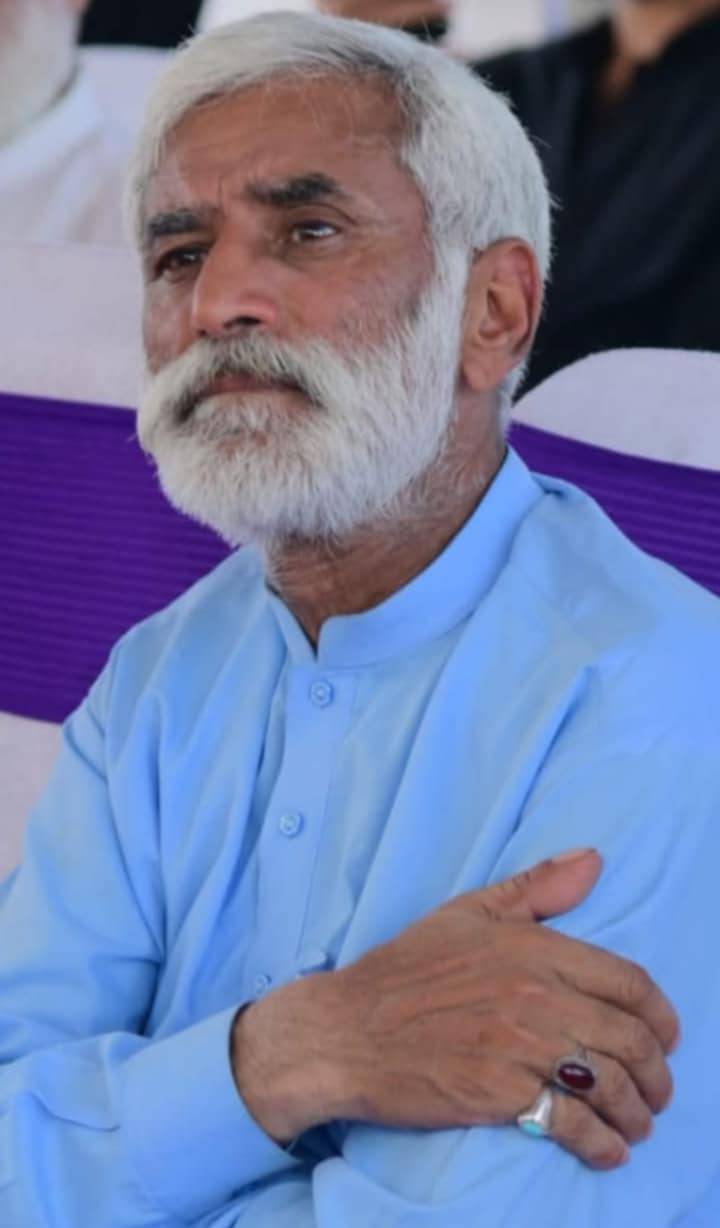
Recently in 2014, Purnima Ray, CB Patil and editor BR Mani have compiled and published a book entitled Remembering Stalwarts which contains “Biographical Sketches of Scholars from the Archaeological Survey of India.” It is very strange to see that there is no description of this great archaeologist of the colonial era.
Unfortunately, the same sort of omission can be seen in Pakistani publications.