

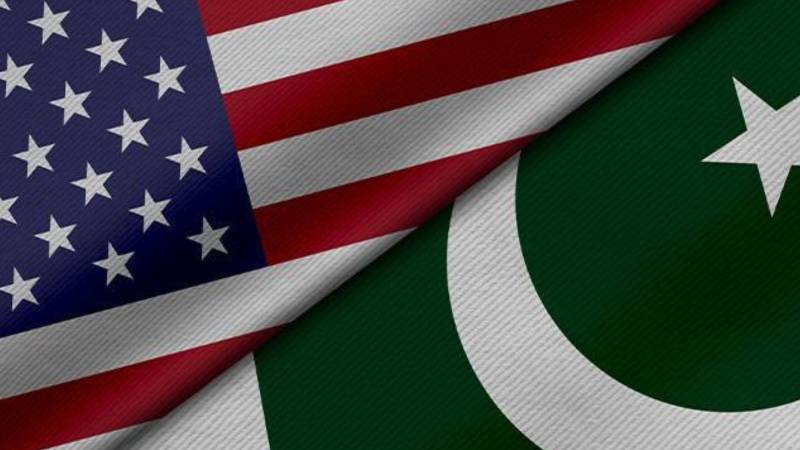
Many in Pakistan still believe that the United States will pressure the current government to respect political and human rights. They expect that Washington, in the name of democracy, will take a stand or push back against growing repression. This belief is not supported by facts. It is a false hope.
The current political setup in Pakistan is backed by the military establishment. It came into power not through fair elections but through interference. Political opponents have been jailed. Peaceful dissent is being crushed. The constitution is being bypassed. These are plain facts.
Despite this, the United States continues to work with and support this setup. There are occasional statements about democracy and concern over rights, but no real action follows. When civilians were tried in military courts, the U.S. response was weak. When the opposition leader, Imran Khan, was imprisoned in a politically motivated case, there was no demand for his release. The relationship with Pakistan’s military continued as usual.
Why is this the case? Because U.S. foreign policy is driven by interest—not principle. Its main concern in Pakistan is the stability of a nuclear-armed state. As long as the military is in control and keeps things from collapsing, Washington sees no need to interfere. The human rights situation is noted, but not acted upon.
Washington’s support for undemocratic systems in the name of “stability” is not a new story. It has done so in other countries too—until the situation exploded
But this thinking is flawed. What the U.S. sees as stability is in fact deepening instability. The government has no political legitimacy. It cannot address the growing insurgency in Balochistan or KP. It cannot calm the protests in Sindh over water rights and resource sharing. These movements are not just political—they threaten the very unity of the federation. And an unpopular government, backed only by force, cannot manage them.
The military may project strength, but without legitimacy and popular trust, that strength is shallow. You cannot govern a nation indefinitely by fear and coercion. The more the state crushes dissent, the more disconnected it becomes from the people—and the more it pushes opposition toward radicalism and civil resistance.
The United States says it supports democracy and human rights. But by supporting a system that violates both, it is helping create long-term chaos. If the goal is a stable Pakistan, then ignoring the political crisis will backfire. Stability does not come from control—it comes from legitimacy. From people accepting the system, trusting the process, and having a voice in how they are governed.
Some believe that if Donald Trump returns to office, things might change. He is seen as anti-establishment and unpredictable. But Trump is not guided by principles. He is transactional. If Pakistan’s military gives him what he wants—whether on Afghanistan, China, or terrorism—he will support it without asking questions. His tone may differ, but his policy will not. He did not care about rights or democracy in his first term, and there is no reason to expect he will in a second.
The people of Pakistan must understand that no foreign power will deliver democracy here. No global actor will rescue our civil liberties. This is a national fight that must be won through national struggle. Depending on the U.S. to correct our path, while it continues to back those undermining it, is not just wishful thinking—it is dangerous. It delays the real solution: an internal political awakening that demands a return to constitutional order and public will.
Washington’s support for undemocratic systems in the name of “stability” is not a new story. It has done so in other countries too—until the situation exploded. Pakistan is heading down the same path. The warning signs are clear. If the U.S. truly values stability in this region, it must reconsider its support for repression masquerading as order.
But more importantly, Pakistanis must stop waiting for outside intervention. The solution lies within: in courts that uphold the constitution, in people who refuse to surrender their voice, and in leaders who put legitimacy above power. Real change will not come from the White House. It will come from the will of the people.