

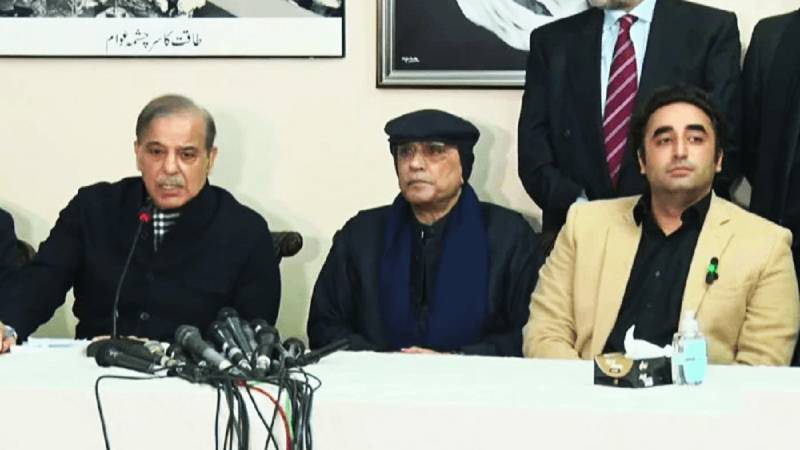
In a Lahore chai khana, the air buzzes with frustration. “PML-N aur PPP apas mein lad rahe hain, aur hum mehengai ke haathon mar rahe hain,” grumbles a rickshaw driver, his tea gone cold. The spark? A recent spat where the PPP accused the PML-N of crafting Punjab-centric budgets, sidelining Sindh and smaller provinces. If allies can’t agree on who gets the roti, how will they govern a nation of 240 million? The Shehbaz Sharif-led coalition, stitched together after the contentious February 2024 elections, was meant to steady Pakistan’s ship. Instead, it’s rocking the boat, leaving the awam to wonder: where’s the leadership when crises pile up like unpaid bills?
The PML-N and PPP, uneasy bedfellows since their post-election deal, bicker like teammates squabbling over batting order. The PPP, holding 54 National Assembly seats to PML-N’s 75, feels shortchanged. Punjab, the PML-N’s fortress, soaks up development funds—Rs1,200 billion in its 2024 budget—while Sindh’s Rs700 billion seems a consolation prize. PPP leaders, like Punjab Governor Sardar Saleem Haider, have publicly lamented this imbalance, hinting at a coalition more fragile than a spinner’s grip on a wet pitch. Meanwhile, smaller allies like the MQM-P grumble over Karachi’s neglected roads, and whispers of PPP-PTI talks, though rebuffed, add fuel to the fire. This isn’t teamwork; it’s a dressing-room brawl, and Pakistan’s the loser.
Infighting isn’t just noise—it’s a roadblock. Take the CPEC projects, once hailed as game-changers. Delays in Punjab’s rail upgrades and Sindh’s water schemes fester as coalition partners haggle over credit and cash. Policy flip-flops tell the same tale: one day, the government vows to slash power tariffs; the next, IMF conditions force hikes, and allies blame each other for the fallout. In Balochistan, a promised gas pipeline stalls as PPP and PML-N tussle over who announces it. These aren’t mere hiccups—they’re betrayals of a public desperate for relief. Inflation, at 12-14%, chews through wages; TTP attacks haunt KP’s borders; yet, the coalition’s energy burns on internal feuds, not solutions. The awam, dodging mehengai and insecurity, need unity, not a soap opera.
This squabbling isn’t just bad optics—it’s unethical. Pakistan teeters on the edge: a Rs2.6 trillion circular debt strangles energy, youth unemployment fuels despair, and PTI’s protests keep streets tense. Prioritising power games over progress is a slap to the awam’s trust. The PML-N and PPP, dynastic giants born from struggle—Zulfikar Bhutto’s roti-kapra-makan, Nawaz Sharif’s motorways—should know better. Their coalition was forged to save Pakistan, not to carve it up for spoils. Every day spent on turf wars mocks the vendor in Sukkur rationing daal, the student in Quetta studying by torchlight. Leadership isn’t about who gets the bigger slice; it’s about ensuring the whole pie feeds the nation.
Pakistan’s history—Quaid’s unity, Benazir’s defiance—demands leaders who rise above clan rivalries
The coalition’s cracks aren’t new—history warns of collapse. In 2022, a PML-N-led coalition lost Punjab’s helm after by-election losses, undone by infighting. Today’s alliance risks the same fate unless it shifts gears. Here’s a question to stir X debates (share it!): “Can a coalition that fights itself save Pakistan?” The answer demands action, not egos. The PML-N and PPP must draft a public “Coalition Charter”—a shared playbook, signed and posted online, outlining goals: cap inflation at 8% by 2026, revive 10 CPEC projects by 2027, cut power outages to two hours daily. Include timelines—say, a Karachi sewerage plan by December 2025—and assign roles: PML-N tackles tax reform, PPP drives rural jobs. Make it public, like a scorecard, so the awam can judge.
Next, hold monthly progress reports—televised, not buried in PDFs. Let Shehbaz face cameras alongside Bilawal, explaining why a Hyderabad hospital’s funds are stuck or a Faisalabad factory’s power is cut. Accountability isn’t a buzzword; it’s a promise. Imagine the trust rebuilt when a Larkana farmer sees his subsidy delivered because PPP kept its word. Imagine the relief when a Multan clerk’s bill drops because PML-N met its target. This charter isn’t a fantasy—Indonesia’s coalition pacts show how rivals align for results. Pakistan’s leaders just need the guts to try.
But a charter alone won’t win the match. The coalition must tackle the root of its wobbles: mistrust. Why not a joint task force—half PML-N, half PPP—overseeing budgets? Punjab’s Rs1,200 billion could fund KP schools if shared fairly; Sindh’s ports could thrive with PML-N’s expertise. Stop treating provinces like fiefdoms—Pakistan’s a team, not a turf war. And don’t ignore the opposition. PTI’s 93 seats, fueled by public anger, won’t fade with arrests. Invite them to a national conference—taxes, terror, trade—showing the awam you value votes, not vendettas. It’s not weakness; it’s strategy, like a captain trusting his bowlers to close the game.
Beyond internal fixes, the coalition must confront external pressures warping its focus. The IMF’s $7 billion bailout, secured in September 2024, comes with strings—tax hikes, subsidy cuts—that pit PML-N’s urban base against PPP’s rural heartland. These terms, while stabilising forex reserves, deepen public discontent, with 60% of Pakistanis surveyed by Gallup in January 2025 citing cost-of-living as their top concern. The coalition’s failure to jointly communicate these trade-offs—say, why fuel levies fund CPEC debt—leaves room for PTI’s narrative of betrayal. A unified media campaign, with PML-N and PPP leaders explaining sacrifices and timelines, could turn groans into grudging respect. Transparency isn’t surrender; it’s strength.
The youth, Pakistan’s heartbeat, are another casualty of this chaos. With 65% of the population under 30, their dreams—jobs, skills, hope—languish as coalition squabbles delay vocational programs and tech hubs. The National Youth Policy, promised in 2024, gathers dust while unemployment hovers at 11%. A joint PML-N-PPP youth task force could fast-track initiatives: 50,000 internships by 2026, coding bootcamps in every province, or a “Digital Pakistan” fund leveraging CPEC’s fiber optics. Imagine the spark in a Peshawar coder or a Gilgit entrepreneur when leaders prioritise their future over petty wins. This isn’t charity; it’s survival for a nation banking on its next generation.
Finally, the coalition must rediscover its moral compass. Pakistan’s history—Quaid’s unity, Benazir’s defiance—demands leaders who rise above clan rivalries. The awam don’t want pressers or promises; they want proof. A single success—a finished CPEC rail by mid-2026, a school in Tharparkar with lights on—could quiet the chai khana’s grumbles. The PML-N and PPP must act like partners, not rivals, and deliver one tangible win every quarter. Start small: fix a Karachi drain, power a Multan clinic. Show the awam you’re listening. Only then will the question shift from “Yeh jhagra kab khatam hoga?” to “Yeh kaam kab shuru hoga?”
This column isn’t a lament—it’s a challenge, rooted in Pakistan’s unbreakable spirit. We’ve survived floods, coups, and crises—1971’s pain, 2008’s blackouts—and emerged tougher. Picture a Pakistan where leaders sync like a perfect cover drive: CPEC trains hum, markets buzz, and kids study under steady bulbs. The PML-N and PPP can deliver this, but only if they stop swinging at each other. Draft the charter, share the plan, and show the runs. Until then, the awam will keep asking: “Yeh jhagra kab khatam hoga?”
The coalition’s at the crease. Will they play for Pakistan’s glory or fumble the innings? That’s what The News’s readers—drivers, vendors, students, mothers—demand to know. Not in pressers, but in progress, they can see.