

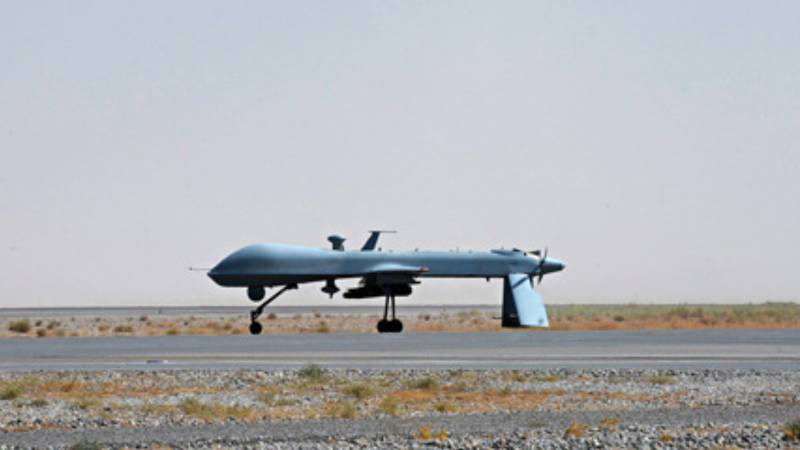
In Pakistan’s tribal belt, especially Waziristan, a quiet war rages—not just with weapons, but through silence. This war is not new, but its violence and impunity have intensified in recent months. Armed drones hover above villages, mortar shells strike homes indiscriminately, and people vanish without explanation. Those who dare to speak out for peace are arrested, shot, or smeared as enemies of the state.
The rest of the country watches silently—if at all. National media outlets rarely cover these incidents unless accompanied by an ISPR press release. When civilian lives are lost, vague official statements follow: “terrorists neutralised,” “operation successful,” “area cleared.” Names are not shared. Questions are not answered. Grief is not acknowledged.
In May, three children were killed in a drone strike in Mir Ali. Families protested with the bodies for several days, refusing burial until justice was served. Authorities arrived, offered apologies, and promised it wouldn’t happen again. But the very next day, a similar strike hit Wana, South Waziristan—once again in a civilian neighbourhood.
Last Friday, another tragedy struck near a school in Makeen, South Waziristan. A quadcopter strike killed Abdul Qudoos, the only brother of five sisters, who had returned home for the summer. Four children nearby were injured. No militant target was identified, no justification given. Just lives shattered in a place already scarred.
Days later in Central Kurram, mortar fire added to the growing list of civilian casualties. Locals reported that shelling struck homes during the night, with no prior warning. And in Raghzai village, Wana, just three days ago, a passenger vehicle was caught in crossfire between militants and security forces. A mother shielding her son was killed instantly. Another woman, in an act of desperation and love, wrapped herself around her daughter to protect her from flying bullets.
Amnesty International has noted its concern over “recurrent drone strikes in Khyber Pakhtunkhwa,” warning that they reflect an “alarming disregard for civilian life
In Spalgah, North Waziristan, residents were suddenly ordered to evacuate amid a new operation targeting militants allegedly linked to Hafiz Gul Bahadur. Civilians, mostly women and children, were once again caught in the chaos. No emergency arrangements were made; no press conferences were held.
Yet even these incidents barely register in the national news cycle.
When civilians demand answers or protest peacefully, they are often met with bullets instead of words. The 2024 general elections in North Waziristan offer a painful case in point. Mohsin Dawar, former MNA and chairman of the National Democratic Movement (NDM), ran his campaign despite threats and attacks. His party workers were assaulted by militants in one incident. Later, when Dawar and his supporters protested the delayed and allegedly rigged results, state security forces opened fire on them. Three protesters were killed. Dawar himself was seriously injured.
It seems that in Waziristan, those who oppose terrorism—whether committed by non-state actors or through state machinery—are targeted by both.
Another example is Ali Wazir, a former MNA from South Waziristan and a longtime critic of militarisation and enforced disappearances. He has now spent more than a year in prison under vague, shifting charges. Even after securing bail, new FIRs were registered to prolong his incarceration. His ordeal reflects how peaceful dissent is punished, not addressed.
Meanwhile, militant groups continue to extort money, food, and supplies from villagers. Those who comply are accused of supporting terrorism. Those who refuse are targeted by militants. No one is protected, and no side is held accountable.
The pattern is as clear as it is chilling: civilians are dying, but their deaths are either ignored or justified after the fact. This was starkly evident in the March drone operation in Katlang, Khyber Pakhtunkhwa. Immediately after the strike, ISPR declared that “terrorists” had been neutralised. No names were released. But soon after, the Khyber Pakhtunkhwa government confirmed that nine of the deceased were civilians. Only then was an inquiry announced. Such contradictions are not merely bureaucratic errors—they breed deep mistrust among communities who already feel abandoned.
Amnesty International has noted its concern over “recurrent drone strikes in Khyber Pakhtunkhwa,” warning that they reflect an “alarming disregard for civilian life.” That disregard is felt most by children who grow up seeing drones before they learn the alphabet, and by mothers who fear both militants and soldiers every time their children step outside.
This silence—by the media, political parties, and the broader public—is not just complicity. It is policy. A deliberate choice to look away, to not ask questions, to pretend peace exists where only fear remains.
If the state is sincere in ending militancy, it must begin by ending impunity. Drone and quadcopter strikes in civilian areas must stop immediately. Independent investigations must follow every civilian death. And most importantly, victims must not be branded terrorists to erase accountability.
Security built on silence is not security. It's a ticking clock.
The people of Waziristan are not insurgents. They are citizens. They want peace, dignity, and the chance to live normal lives. They want schools without soldiers, skies without drones, and justice without conditions.
Is that really too much to ask?