

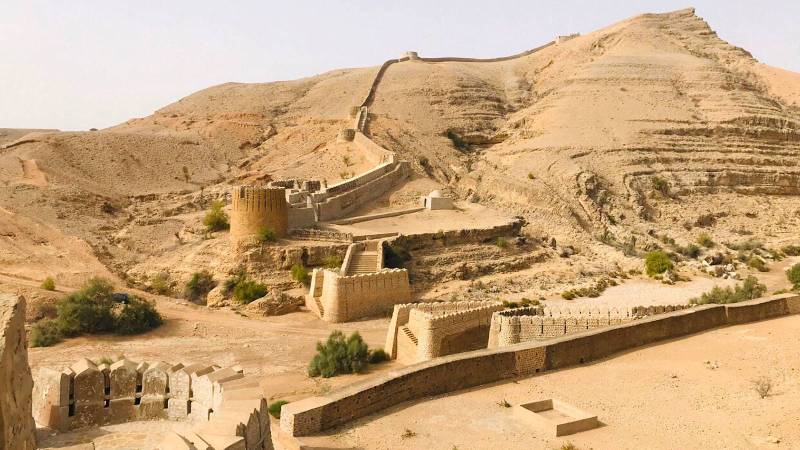
Once the heartbeat of the ancient Indus Valley Civilisation, Sindh today stands at a cultural crossroads. From the stoic ruins of Mohenjo Daro to the breathtaking tombs of Makli, its soil is layered with millennia of history—yet the present challenges threaten to overshadow this grandeur. While the past whispers through Sindh’s language, art, and architecture, the future of this rich cultural legacy hangs in a fragile balance.
Behind the scenes, an array of cultural workers, bureaucrats, historians, and language technologists are doing what they can to keep this heritage alive. But without bold vision from the top and sustained investment in the province’s cultural ecosystem, many fear that Sindh’s soul may be preserved only in textbooks and exhibition cabinets—disconnected from the living experience of its people.
A Land of Layers
Sindh’s cultural wealth is both tangible and intangible. It spans archaeological marvels, traditional crafts, poetry, music, oral histories, and the Sindhi language itself. The Department of Culture, Tourism, Antiquities & Archives, Government of Sindh, has made modest strides in preservation—but experts stress that these are not enough in the face of modern challenges.
According to official data, the Department completed 16 development schemes during the 2024–25 fiscal year, as part of over 100 cultural projects executed in the last decade. These included restoration of heritage structures, improvements in museum infrastructure, and expansion of the public library network—now reportedly serving over 15,000 students daily.
In what is arguably the crown jewel of its efforts, the Department has established the Digitisation and Conservation Laboratory—the only one of its kind in Pakistan. The facility houses over 20,000 archaeological artefacts and documents from ancient sites like Mohenjo Daro, Kot Diji, and Bhanbhore. Outfitted with UV sonic cleaners, laminar flow systems, and spectrophotometers, it represents a scientific leap in preserving Pakistan’s historical memory.
The Annual Development Programme (ADP) allocation for Sindh’s Culture Department has dropped from Rs. 3,076 million to Rs. 2,581 million in the 2024–25 fiscal year
And yet, cultural experts argue, such progress exists in silos—disconnected from the broader ecosystem and unable to spark the kind of revival that Sindh’s culture urgently needs.
The Gaps That Hurt
Despite these gains, the larger cultural landscape remains under strain. Most of Sindh’s libraries are stuck in time: underfunded, non-digital, and lacking the immersive technologies—like Augmented Reality (AR) and Virtual Reality (VR)—that could transform learning and draw in younger audiences.
Museums across Karachi, Hyderabad, Thatta, Umerkot, and Mohenjo Daro face similar issues: outdated displays, poor lighting, lack of visitor engagement tools, and virtually no interactivity. According to one cultural manager in Hyderabad, “We have the artefacts, but not the imagination to present them to a 21st-century audience.”
Language preservation is another uphill battle. Institutions like the Abdul Majid Bhurgri Institute of Language Engineering and the M.H. Panhwar Institute of Sindh Studies are pushing forward with digitisation and AI-based tools for Sindhi, but their budgets—Rs. 11 million and Rs. 8 million respectively—fall woefully short of the resources needed for AI training models or global language software integration.
The decline in Sindhi-language media, textbook publishing, and linguistic research means that even as new generations grow up in Sindh, they are becoming strangers to the language of their land.
Crafts Without Markets
Artisans form the lifeblood of Sindh’s traditional economy, producing everything from Ajrak to blue pottery, rilli quilts, and lacquer work. But the absence of digital platforms and global market access has left them economically stagnant.
“There is no roadmap for e-commerce integration,” says a cultural entrepreneur in Hala. “Our artisans could thrive on Amazon, Etsy, even Daraz—if only someone helped set up that bridge.”
Government-organised melas and festivals, though well-attended, are often seen as ceremonial rather than sustainable. “A mela gives you exposure for a day or two. But what we need is market integration, packaging, branding—and year-round income,” adds the artisan.
The Policy Puzzle
The Annual Development Programme (ADP) allocation for Sindh’s Culture Department has dropped from Rs. 3,076 million to Rs. 2,581 million in the 2024–25 fiscal year. For a sector that relies almost entirely on public funding, this cut is significant. Cultural professionals worry it may undo years of slow, steady progress.
Calls are growing for a comprehensive and future-facing Culture Policy—one that goes beyond restoration to envision a dynamic cultural economy. Among the recommendations from experts:
- Modernise museums and libraries using AR/VR and smart technology
- Digitally connect artisans to global markets through e-commerce
- Invest in AI-based Sindhi language platforms for long-term linguistic survival
- Use digital storytelling and immersive tourism tools to attract global audiences
“This isn’t just about the past,” says a senior official in the Culture Department. “Culture can drive tourism, education, local industry—it’s a development asset, not a non-productive sector.”
Leadership Matters
Observers say the biggest missing piece is top-level commitment. For cultural revival to become reality, it must be prioritised by the Chief Minister, the Finance Department, and the Culture Ministry—not just in speeches, but in budget sheets, action plans, and cabinet meetings.
“If we continue treating culture as an afterthought,” warns a senior heritage consultant, “we will soon be a province with no living cultural memory—only ruins and nostalgia.”
A Moment of Reckoning
The soul of Sindh has survived invasions, colonisation, and political upheaval. But its current test is one of indifference.
Whether it’s through modern libraries, AI-powered language tools, globally connected craft markets, or revitalised museums, the choice today is clear: invest in cultural infrastructure or watch a 5,000-year-old legacy fade into irrelevance.
With strategic reforms and visionary leadership, Sindh can reclaim its position—not just as a preserver of history, but as a global cultural powerhouse.
But time, as always, is running out.