

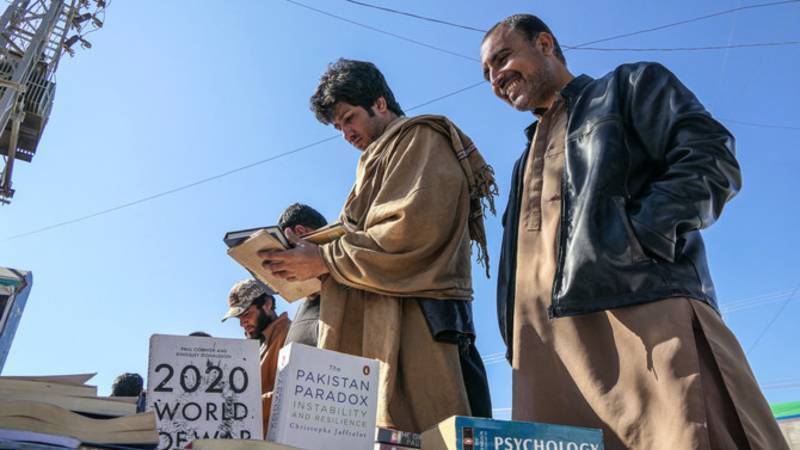
Balochistan, the largest province of Pakistan by land area, is endowed with abundant natural resources. Yet it continues to lag behind other provinces in most development indicators. Despite its vast potential, its youth face persistent barriers in securing employment, even after completing higher education. Every year, a number of graduates struggle to pursue their career goals but often become disheartened due to political instability, economic underdevelopment, weak infrastructure, and security concerns. These obstacles create a sense of frustration among young people who feel that their hard work and education do not translate into meaningful opportunities, pushing many into a cycle of disappointment.
The rising proportion of unemployed youth is deeply affecting the province’s socioeconomic well-being. Youth unemployment is not only a national issue; it is a global challenge. The United Nations recognises the critical importance of youth employment and has prioritised it in its 2030 Agenda for Sustainable Development. According to the International Labour Organization’s 2022 report, nearly 156 million young workers in developing countries earn only about USD 3.10 per day, reflecting widespread deprivation and lack of opportunities. This alarming figure underlines how deeply inequality affects the lives of millions and how urgent it is to create fair, sustainable employment opportunities.
Pakistan confronts similar issues. The national unemployment rate stands at 6.3 percent, with the most severe impact on individuals aged 15 to 30, according to the 2025–26 budget documents. Pakistan has a substantial labour force of 71.8 million—the sixth-largest in the world—and nearly two million young people enter the labour market every year. This puts enormous pressure on the job market. The number of new jobs created each year remains far below the demand, forcing many educated individuals to settle for positions unrelated to their skills or, in many cases, to remain unemployed for long periods.
The Balochistan Public Service Commission’s test for Tehsildar and Naib-Tehsildar posts saw more than 1,300 candidates clear the written exam, while only 28 vacancies were available
In this context, Balochistan faces an even more alarming situation. The province’s unemployment rate has reached 10.5 percent, the highest in the country. This calls for immediate attention from policymakers and the government. A recent example highlights the depth of the crisis: the Balochistan Public Service Commission’s test for Tehsildar and Naib-Tehsildar posts saw more than 1,300 candidates clear the written exam, while only 28 vacancies were available. In effect, 46 candidates competed for each post, illustrating the severe imbalance between job seekers and available opportunities. This situation further shows how difficult it has become for qualified youth to secure even a single position in the public sector.
Furthermore, Balochistan records one of the lowest youth employment-to-population ratios in the country at just 38.6 percent. Female employment is especially concerning at only 11.3 percent, compared with 61.1 percent for males, according to the Balochistan Unemployment Survey. These gender disparities, combined with limited access to skill development, highlight a critical mismatch between the demands of the labour market and the skills possessed by the youth. Without proper guidance and opportunities, many young people remain stuck without any pathway to improvement.
To address these challenges, the government must invest in skill development, vocational training, and entrepreneurship programmes. Education systems need to be aligned with modern job market requirements. Improving infrastructure, encouraging private-sector investment, and adopting labour-intensive economic policies are essential for generating employment at a meaningful scale. Strengthening institutions and ensuring transparency in recruitment can also help build trust among the youth.
In conclusion, youth unemployment is one of the most pressing concerns for developing economies, but for Balochistan, it has become an urgent crisis. The federal and provincial governments must take coordinated, comprehensive measures to address the structural issues behind slow growth. Policymakers, educational institutions, and labour-market experts must collaborate on long-term solutions to ensure that Balochistan’s youth are empowered, employed, and able to contribute to the province’s development. The time to act is now, before more young people lose hope and the province’s future potential is undermined.