

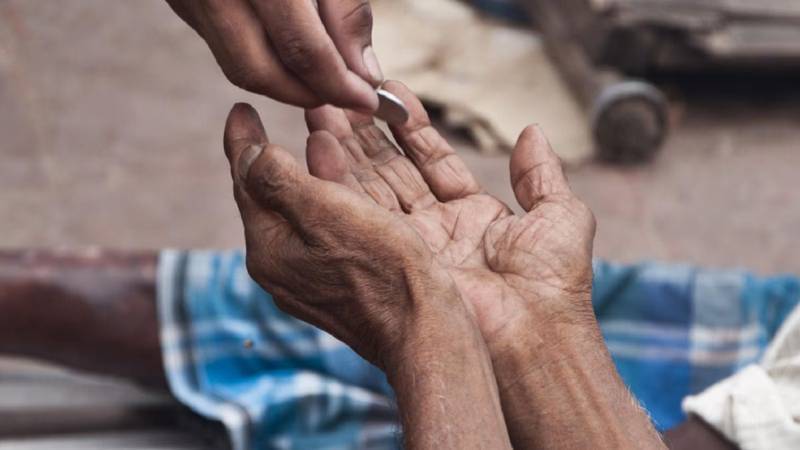
Karachi, full of life and energy, is a city where millions of people work hard every day to earn a living, raise their families, and build their futures. But alongside this energy and development, another issue is growing quietly yet rapidly — the rising number of beggars on the streets. Whether you are driving through busy intersections, walking through markets, or waiting at a traffic signal, you are likely to be approached by someone asking for money. This mushroom growth of beggars in Karachi has become a serious problem that cannot be ignored any longer.
There are many reasons why the number of beggars in Karachi is increasing. One of the main reasons is poverty. Pakistan is still a developing country, and many people struggle to meet their basic needs. Families who cannot afford food, clothes, or shelter often send their children or elderly members out to beg. For some, begging becomes the only way to survive.
Unemployment is another major reason behind this issue. Many people lose their jobs or cannot find work in the first place. With limited education and few job skills, they find it difficult to earn an income. In such cases, begging seems like the easiest and fastest way to get money. Over time, this becomes a habit or even a profession. Some people choose to beg even when they can work because it brings in more money than low-wage jobs.
However, it is also true that not all beggars are genuinely needy. In recent years, organised begging rackets have grown in Karachi. These are groups that control certain areas of the city and force people, especially women and children, to beg. The money collected often goes to the gang leaders rather than the beggars themselves. This system is abusive and dangerous, and it makes the problem even more difficult to solve.
Another factor is the lack of strong laws and proper action. There are rules against begging, but they are not properly implemented. Beggars return to the streets even after being picked up by the authorities. In many cases, there is no long-term solution offered to them. They are not given jobs, training, or shelter, so they go back to begging as soon as they are released.
Behind every beggar is a story of struggle, pain, and survival. We must approach this issue with empathy, but also with smart and strong actions
Public behavior also plays a role. Many people give money to beggars out of kindness, religious duty, or guilt. While these acts come from a good place, they often end up encouraging the cycle. When beggars know they will receive money easily, they have no reason to stop. This behavior supports both individual beggars and organised gangs.
The issue is further complicated by the large number of people moving into Karachi from rural areas or other cities. Many of them come in search of work but cannot find any. With nowhere to go and no money, they are forced to live on the streets and depend on begging. This increases the pressure on the city’s already limited resources and makes it harder to control the situation.
To tackle this problem, we need to understand that begging is a symptom, not the root cause. We must deal with the underlying issues of poverty, unemployment, the lack of education, and weak law enforcement.
One of the most important steps is creating more job opportunities for unskilled and low-skilled workers. Government programs, NGOs, and private businesses should work together to provide training, employment, and small loans to the people living in poverty. Simple jobs like cleaning, packaging, construction, or roadside vending can help people support themselves without needing to beg.
The government should also invest more in social welfare. Shelters, food banks, and healthcare services for the homeless and poor can make a big difference. When people have access to basic needs, they are less likely to turn to begging. Children who are begging on the streets should be placed in schools or child welfare centers. Education can break the cycle of poverty and offer them a better future.
Strict action must be taken against mafias and gangs. The law-enforcement agencies should identify and shut down these groups. This means not only removing beggars from the streets but also arresting those who control them. The law should protect the victims and punish the abusers.
Public awareness is also very important. Citizens must be educated about the harmful effects of giving money directly to the beggars. Instead, they should be encouraged to donate to registered charities and organisations that work for the poor. Posters, TV ads, and social media campaigns can help spread this message.
Another idea is to set up help centers or booths in different parts of the city. These places can offer food, water, and basic medical care to the people in need. At the same time, trained staff can talk to beggars and guide them towards better options like job training or shelters. These centers can act as bridges between the streets and a better life.
Religious and community leaders also have an important role to play. In Pakistan, where religion has a strong influence, mosques can encourage their followers to support long-term welfare programs rather than giving money to the beggars. They can help raise donations, provide shelter, and promote education for the poor.
Lastly, there must be a coordinated plan involving local government, civil society, law-enforcement agencies, and the private sector. Solving this problem is not the job of just one group. Everyone must work together with a clear strategy. Karachi needs a long-term vision and commitment to bring dignity and support to those who are suffering — not just a temporary fix.
The issue of rising beggars on the streets of Karachi is not just a social or legal problem — it is a human one. Behind every beggar is a story of struggle, pain, and survival. We must approach this issue with empathy, but also with smart and strong actions. If we truly want to clean up our streets, protect our children, and improve the image of our city, we need to offer real solutions. Begging may seem like a small act, but when it grows unchecked, it harms everyone — from the beggar to the citizen to the city itself. It is time we faced this challenge together and helped turn lives around for the better.