

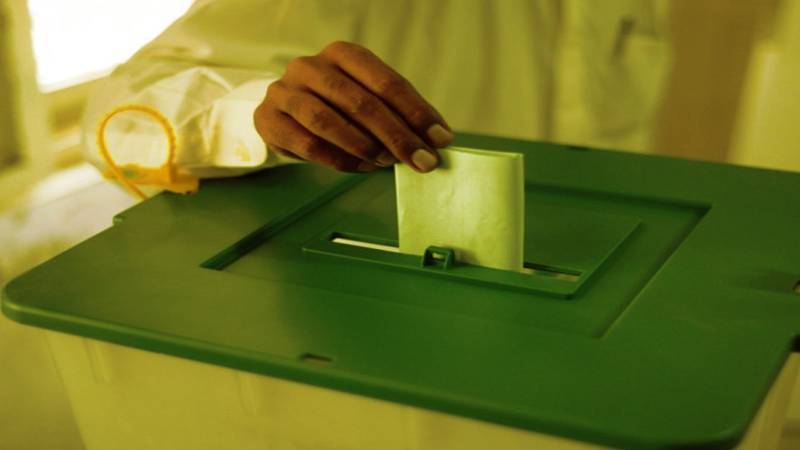
At a crowded bus stop in Lahore, voices clash louder than the honking horns. “Chunav mein dhandli hui hai!” a young mechanic insists, waving his phone showing a viral clip of PTI protesters dodging tear gas. The February 2024 elections, meant to renew Pakistan’s democratic pulse, have instead left it gasping. PTI’s claims of a “stolen mandate”—alleging rigged counts and fudged Form 47s—have fuelled rallies from Karachi to Kohat, keeping the nation on edge. The Shehbaz Sharif-led PML-N government, dismissing the uproar as noise, responds with batons and arrests, not answers. When half the country doubts its vote, how can democracy stand? Pakistan’s leaders must rebuild trust, not crush it, or risk a game with no winners.
The scars run deep. PTI, battered by pre-poll blows—its founder jailed, its cricket bat symbol banned—still secured 93 National Assembly seats as independents, outpacing PML-N’s 75 and PPP’s 54, according to official results. Yet, doubts festered. In Rawalpindi, a commissioner alleged that 70,000 votes were flipped, only to backtrack under scrutiny. In Islamabad’s NA-46, PTI claimed a 60,000-vote lead vanished during recounts. No smoking gun has surfaced—courts are crawling—but red flags like election-day mobile blackouts and delayed results fuel suspicion. The PML-N, now steering a fragile coalition, calls it PTI’s tantrum. But when millions question the scoreboard, the match itself is tainted.
This isn’t PTI’s fight alone—it is a crisis for all. Democracy hinges on faith, not force. When voters—students skipping class, elders braving the heat—feel their ballots were betrayed, the system wobbles. The Election Commission of Pakistan (ECP), tasked with ensuring fair play, faces accusations of tilting the pitch. Its silence on rigging claims and botched logistics—polling stations short of staff, results trickling in past deadlines—erodes its credibility. The government’s cure? Clampdowns. In April 2024, over 200 PTI supporters were detained during Islamabad rallies, their placards branded “anti-state.” Batons do not silence doubts; they amplify them, turning voters into sceptics and streets into flashpoints. If democracy is Pakistan’s jersey, why treat its wearers like rivals?
When a clerk in Sialkot demands answers or a mother in Bannu marches for truth, they are not rebels; they are the soul of democracy
This failure cuts deeper than politics—it is a moral wound. The awam did not vote to see their will warped. It is wrong to let rigging rumours swirl without clarity; every unchecked Form 45 is a crack in Pakistan’s democratic spine. The PML-N, forged in the fire of 1980s resistance, should grasp the weight of stolen voices. Yet, their coalition, bolstered by PPP and smaller allies—seems keener on control than candour. Curbing protests spits on the freedoms—speech, assembly—that built this nation. When a clerk in Sialkot demands answers or a mother in Bannu marches for truth, they are not rebels; they are the soul of democracy. To jail them is to betray the awam’s trust, not defend it.
Here’s a question to light up X (share it!): “How can democracy thrive if votes are doubted and voices gagged?” The fix demands boldness, not barricades. First, probe the 2024 elections openly. Form a cross-party truth commission—PML-N, PPP, PTI, JUI-F, plus neutral voices like PILDAT—to audit 20 disputed seats, like NA-46 and NA-130. Cross-check Form 45s against Form 47s, livestream hearings, and post raw data online within 120 days. If fraud is a ghost, banish it with facts; if real, sack culprits, be they clerks or kingmakers. Truth is not a threat—it is the glue to mend a fractured mandate.
Second, protect the right to roar. Protests are democracy’s megaphone, not its menace. Guarantee PTI’s freedom to rally—peacefully, from Peshawar’s Qissa Khwani to Hyderabad’s Qasimabad. Station police to shield marchers, not scatter them with tear gas. Free non-violent detainees—hundreds still held from 2024 clashes—and drop flimsy “disorder” charges. The Constitution’s Article 19 guards speech; honour it. When a student in Gujranwala chants for justice or a farmer in Okara waves a flag, they are stitching Pakistan’s fabric, not tearing it. Let them breathe.
Third, rewire the ECP for 2029. Its 2024 stumbles—symbol bans, internet cuts, late counts—beg for overhaul. Appoint commissioners through a two-thirds Senate vote, not cosy deals. Launch a public “VoteTrack” portal, uploading results live, secured by blockchain technology. Hire 60,000 young poll workers—trained, not recycled—via open tests. Peek at India’s voter rolls for cues—Pakistan’s coders could outshine them. A bulletproof ECP would choke rigging claims at birth, delivering polls as clean as a Wasim Akram yorker.
This isn’t about one party—it is about Pakistan’s promise. The awam’s trust is no trifle; it is the spark that ousted tyrants and shaped this land. Starve it, and you brew unrest—courts jammed, streets seething, democracy a punchline. Feed it, and you spark magic: a Pakistan where ballots speak, rallies sing, and leaders listen. The PML-N can choose—be the side that fudges the DRS or the one that plays fair. Start here: audit openly, free the streets, fortify the ECP. Prove the vote is not a gamble, but a vow.
This column is not despair—it is defiance, rooted in Pakistan’s steel. We have outlasted storms—Zia’s lash, 2007’s blood—and stood taller. Picture a nation where a mechanic trusts his mark, a girl marches fearless, a poll shines true. The PML-N can build this, but only if they stop swinging at their own stumps. Clear the fog, guard the flame, honour the awam. Until then, we will keep shouting: “Sachai kab aayegi?”
The government is at the crease. Will they bat for Pakistan’s soul or drop the catch? That is what The News’ readers—mechanics, students, mothers, vendors—want answered. Not in slogans, but in trust they can feel.