


A revered reference of the left-wing movement in Pakistan, significant leader and standard-bearer of women’s rights, comrade Tahira Mazhar Ali Khan is among the distinguished leaders who stuck to communist ideas with persistence even after the implosion of the Soviet Union. The same Tahira Mazhar Ali Khan has the honour of celebrating International Women’s Day on 8 March for the first time in our national history in 1948. She passed away a decade ago today in Lahore on 23 March 2015.
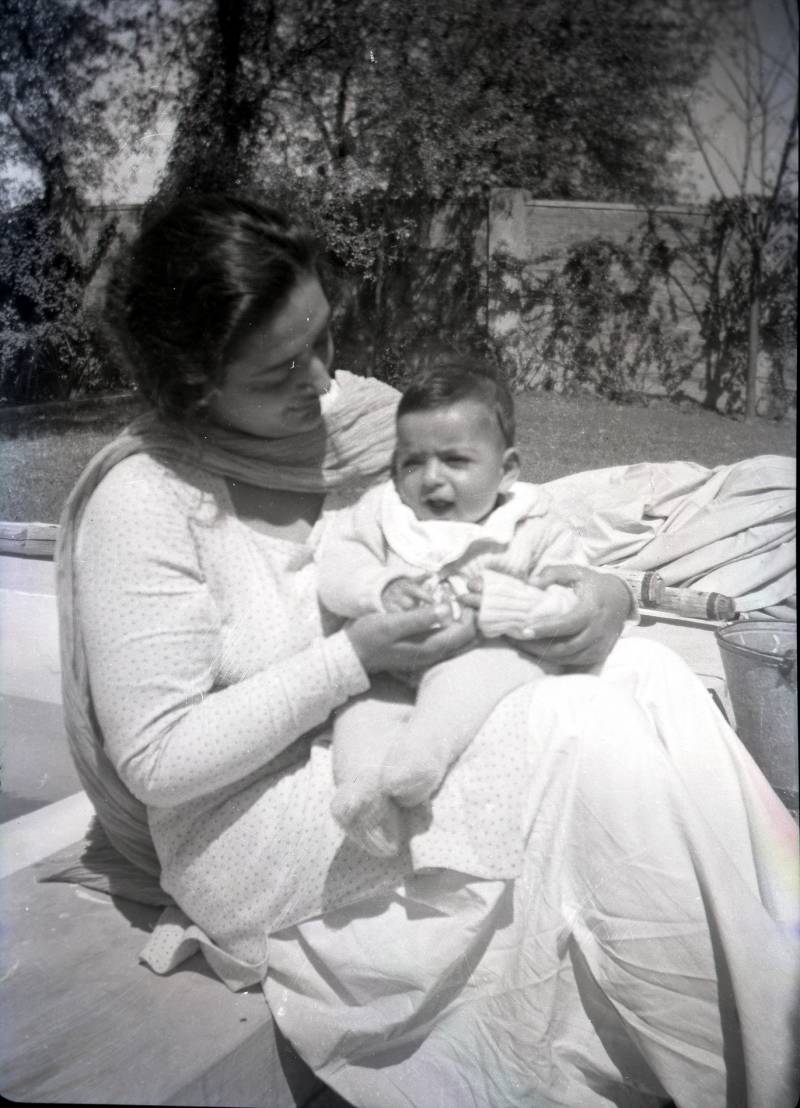
Comrade Tahira Mazhar Ali Khan was born on 5 January 1925 in an eminent political family of Punjab. This girl born in Wah was given the name Tahira. Her father Sir Sikandar Hayat Khan was the moving spirit of the Unionist Party and remained the Chief Minister of united Punjab from 1937 to 1942. Her father’s politics had acquired influence in India. Abul Kalam Azad, Pundit Nehru, Muhammad Ali Jinnah and all big politicians used to come and go to Sir Sikandar Hayat’s home and office. But his daughter Tahira was an admirer of Congress politics and Pundit Jawaharlal Nehru, about which she had very clear ideas.
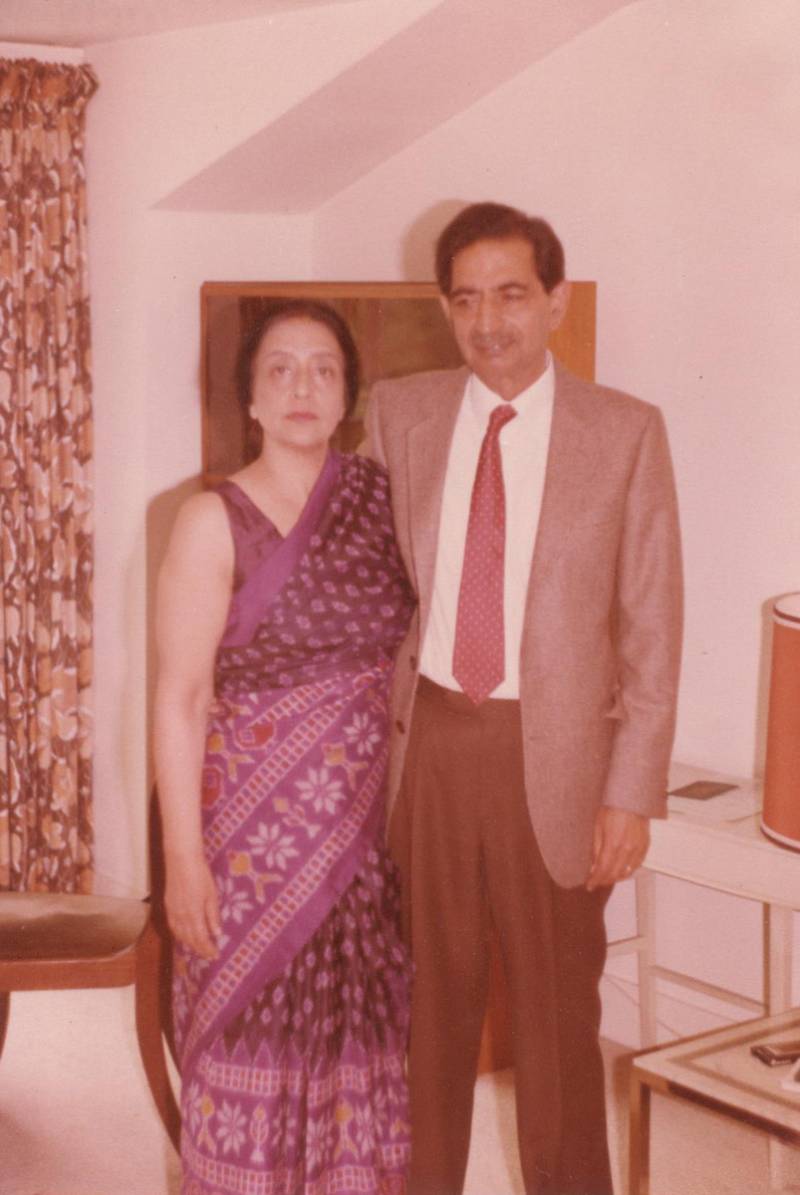
Once the Quaid-e-Azam arrived in Lahore, and he was staying at Mamdot Villa. When Tahira found out, she reached there to see him. When she introduced herself, Jinnah said that he had heard of her, and that she preferred Nehru to him. Tahira by then had become captivated by the Communist Party and the reason for it was a fiery young speaker and journalist Mazhar Ali Khan, who went on inciting rebellion in Lahore as a communist student leader. Comrade Tahira married him afterwards, after which they never looked back, and spent their whole life in left-wing politics and struggle.

The full story of how the two lovebirds met and lived during the initial years of Pakistan has been movingly told by their son Tariq Ali, in a section titled “A Family Interlude” in his latest memoirs published recently titled You Can’t Please All. The life of Tahira Mazhar Ali Khan, born in the elite class of Punjab, comprising more than 60 years, is characterised by the revolutionary struggle of workers and women.
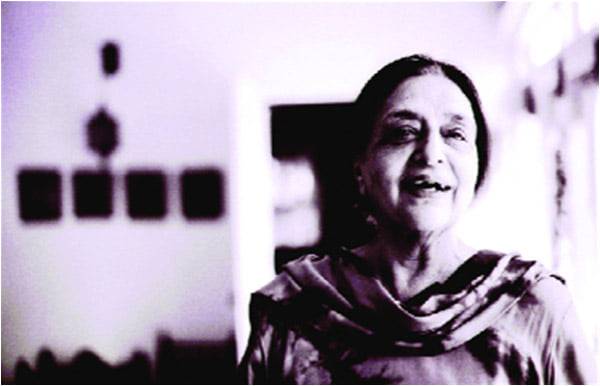
Once the Quaid-e-Azam arrived in Lahore, and he was staying at Mamdot Villa. When Tahira found out, she reached there to see him. When she introduced herself, Jinnah said that he had heard of her, and that she preferred Nehru to him
Tahira Mazhar Ali Khan worked among those who arrived after leaving the country in the aftermath of partition, especially women. In 1948, she celebrated the International Women’s Day for the first time. She built the Democratic Women’s Association whose General Secretary she was. Mazhar Ali Khan adopted journalism and Tahira remained with him at every step, her field was to spread political consciousness among women and workers. She founded the women’s movement in the country and strengthened it on a revolutionary ideological basis. She was a member of the Communist Party of Pakistan. She dedicated her life to the struggle for workers, peasants and women and established the Women’s Democratic Association for women’s rights from the platform of the Communist Party in 1950. Her voice was also among the few but robust ones rising from Punjab against the massacre of Bengali people in 1971.
When Zulfikar Ali Bhutto went to Shimla, where he took the then-Governor of former North West Frontier Province (NWFP) Arbab Sikandar Khan Khalil and the Governor of Balochistan Ghaus Bux Bizenjo, he also took Mazhar Ali Khan along. These were people who had been associated with the Congress before the partition. After returning, Bhutto had told close friends that the person who made the Shimla Agreement possible was Mazhar Ali Khan. Upon the insistence of Bhutto, Mazhar Ali Khan had met Indira Gandhi alone, and had told her that after 14 years of military government in Pakistan, Bhutto was the first elected Prime Minister, and that an agreement with him will play a fundamental role in future Indo-Pak relations.
Mazhar Ali Khan took out the first issue of Viewpoint on 14 August, 1975. This weekly became the identity of Pakistan’s enlightened and humanist individuals. This couple attached to progressive and communist ideas had relations with all important politicians of India. In Pakistan too, both of them had a deep association with nationalist leaders.
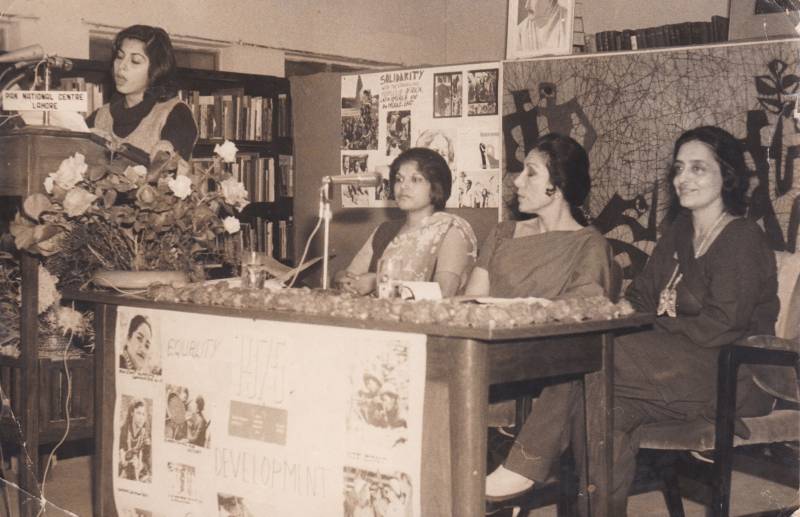
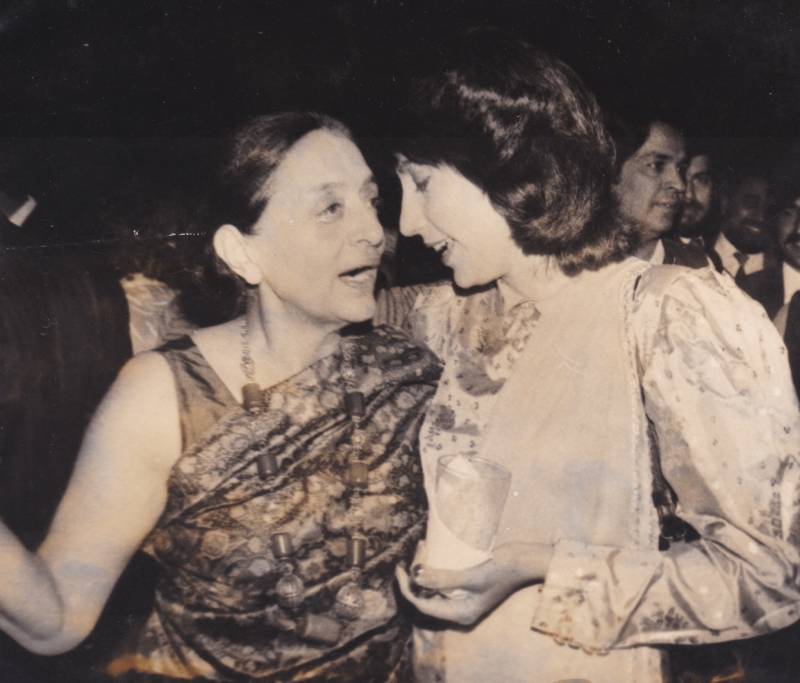
Tahira Mazhar Ali Khan continued her struggle even in the military dictatorship of General Zia-ul-Haq and in 1981 built an organisation called the Women’s Action Forum (WAF) which mounted a powerful people’s resistance against the Hudood Ordinance. Thereafter Tahira joined the National Workers Party and remained active as a member of their Central Committee, and thus we can say that she remained firm upon her principles lifelong and also struggled practically for social change. At the time of her death, she was 90 years old. Thus she too passed into history more than two decades after her illustrious husband.