

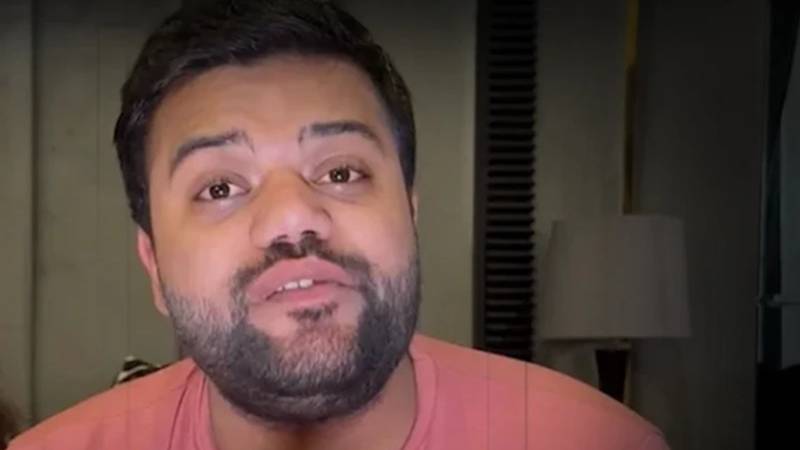
The recent arrest of YouTuber Saadur Rehman, popularly known as Ducky Bhai, has sparked a significant debate across Pakistan about the ethical responsibilities of digital influencers. Authorities allege that he promoted gambling and betting applications such as Binomo, 1xBet, and other similar platforms, which led to substantial financial losses for ordinary people who trusted these endorsements. While the legal process for this case is ongoing, the issue highlights a much larger and deeply concerning trend: the unchecked influence of social media personalities who market high-risk, often illegal, platforms to vulnerable audiences in exchange for quick profits.
The promotion of gambling and betting apps is not merely a matter of misguided marketing; it has real, damaging consequences. These platforms are designed to appear as legitimate investment opportunities, promising high returns with minimal effort. In reality, they are engineered to exploit psychological triggers, enticing users to keep playing despite repeated losses. Many victims are young people, often first-time earners or students, who are lured by flashy advertisements, influencer promotions, and fabricated success stories. Once invested, they quickly realise that the odds are stacked against them, leading to financial ruin, emotional distress, and, in some cases, long-term debt.
What makes the situation worse is the lack of oversight in influencer marketing. Social media personalities have built enormous followings, often commanding more influence than traditional media. Yet, the regulatory framework around what they can and cannot promote remains weak or virtually non-existent in Pakistan. In countries such as India, the UK, and Australia, gambling-related promotions are heavily restricted, with specific penalties for influencers who mislead audiences. For instance, in several European nations, regulators have imposed substantial fines on celebrities and social media stars who endorsed unlicensed betting platforms. Some countries, including China, have gone further by outright banning the advertisement of gambling apps, citing the devastating social consequences they cause, particularly for the youth.
The financial impact of these apps is severe. International studies have shown that online gambling platforms rely on algorithms designed to maximise user losses. They often offer small early wins to lure users into believing they can beat the system, only to drain their funds in subsequent rounds. Beyond financial losses, the psychological toll is equally destructive: addiction, anxiety, depression, and even suicidal thoughts have been linked to online gambling behaviour. When influencers promote these platforms without disclosing their true risks, they are not merely endorsing a product; they are effectively encouraging their audiences to walk into a financial trap. In Pakistan, where economic pressures are already immense, the allure of easy money becomes even more tempting.
The arrest of one influencer may seem like a strong stance, but if the crackdown is not applied uniformly, it risks being seen as selective justice—punishing one while others continue to profit freely
Rising unemployment, inflation, and limited avenues for safe investment create fertile ground for scams masquerading as opportunities. Influencers, by leveraging their trust and popularity, amplify this temptation, making their role in this ecosystem not just problematic but deeply unethical. The arrest of one influencer may seem like a strong stance, but if the crackdown is not applied uniformly, it risks being seen as selective justice—punishing one while others continue to profit freely.
What is needed now is a comprehensive approach that addresses the root of the issue. First, regulatory authorities must establish clear guidelines for influencer marketing. These should include mandatory disclaimers for financial products, strict penalties for promoting illegal or unlicensed platforms, and a system of verification to ensure that advertised platforms meet basic legal and ethical standards. Second, cybercrime and media monitoring agencies must track not only current promotions but also historical content.
If influencers have previously endorsed gambling platforms that caused harm, they too must face investigation, regardless of their current stance. Additionally, public awareness campaigns are essential. Many people fall victim to these schemes simply because they lack information about how such apps operate. A strong, nationwide awareness initiative using the same social media platforms where these apps are promoted could help educate citizens about the dangers of online gambling.
Collaboration with tech companies, such as YouTube and Facebook, is also critical to flagging and removing harmful content before it reaches vulnerable users. Beyond regulation and awareness, there is a moral question to be addressed: what responsibilities do influencers have to their audiences? At its best, social media is a platform for creativity, education, and connection. When misused for harmful financial gain, it erodes public trust, not only in individual influencers but in the digital ecosystem as a whole. Influencers who engage in these practices must be held to account—not just legally, but also socially. Brands, fans, and collaborators should re-evaluate their support for those who profit from misleading their followers.
The arrest of Ducky Bhai should not be the end of the conversation; it should be the beginning of a larger reckoning. Pakistan must recognise that the issue goes far beyond one individual—it is about setting a precedent that no one, regardless of fame or following, is above ethical responsibility. Selective enforcement will not solve the problem. True accountability means creating a system where all influencers are held to the same standards and where public trust is protected through consistent, transparent action. Until such measures are in place, the financial safety and emotional well-being of countless people will remain at risk. This is not simply a legal matter—it is a societal one, requiring collective resolve to ensure that digital influence is used responsibly, ethically, and for the greater good.