

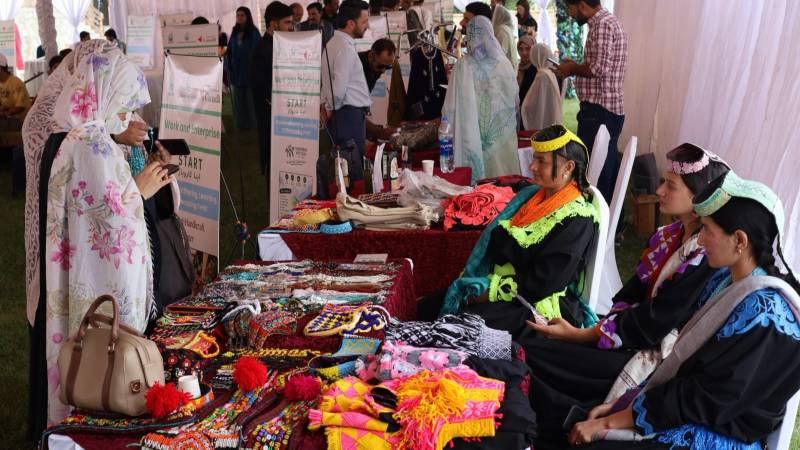
In the remote mountain regions of Gilgit-Baltistan and Chitral, skills training, mentorship and startup support are helping women turn ambition into income. From digital services and food processing to community-based enterprises, women are finding new pathways to economic independence despite the challenges of geography, limited job opportunities and social barriers. For Momina Noor, the journey began with digital skills. For Hassina Kiran, it started in the orchards of Khaplu. For Batool Zahra, it grew out of personal hardship. Their stories reflect a common goal: building sustainable livelihoods in a region where opportunities are often scarce.
Gilgit-Baltistan’s economy relies largely on agriculture, tourism, livestock and small businesses. Although educational opportunities for women have improved, access to paid employment remains limited. Many women continue to work in farming, livestock care and food processing, often without direct financial returns. Distance from major markets also presents challenges. Businesses in remote valleys face high transportation costs, limited market access and fewer growth opportunities. As a result, entrepreneurship and online work are becoming increasingly important alternatives, especially for women seeking to earn an income close to home.
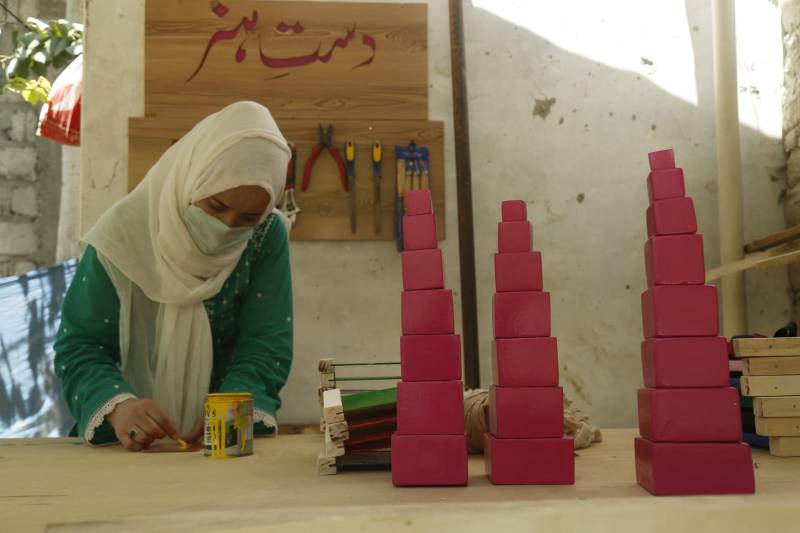
In Khaplu, Hassina Kiran is creating value from locally grown fruit through her enterprise, Baltoro Sun Dried. The region produces apricots, mulberries, cherries, apples, plums and sea buckthorn, but limited storage and processing facilities often reduce farmers’ earnings. Kiran produces fruit jams and other value-added products to extend the shelf life and market value of local product. “Our local fruits are not just a gift of nature; they are also an important source of employment, independence and development,” she says.
While challenges such as limited equipment, unreliable electricity and market access remain, Kiran hopes to expand her business and create more opportunities for local women and farmers. Batool Zahra’s business emerged from a personal struggle. As a student with limited financial means, she experienced homelessness while pursuing her education. After receiving training and support through the START-Apna Karobar Programme, she established a girls’ hostel in Gilgit and later opened a second facility. “Today, Alhamdulillah, my small venture has grown beyond what I ever imagined,” she says. According to Zahra, the two hostels now accommodate 35 students and working women and generate around Rs100,000 in monthly income.
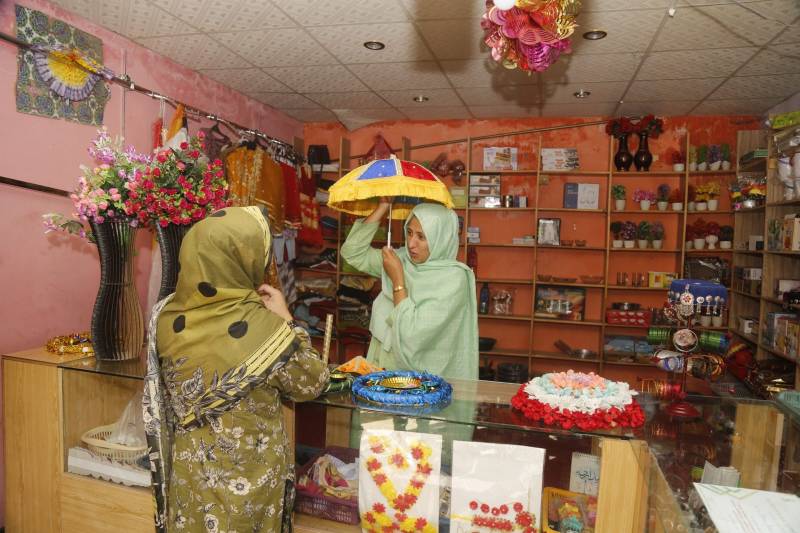
For 25-year-old Momina Noor, an economics graduate from the University of Chitral, entrepreneurship took a digital form. “In the beginning, I had no source of income at all. I wanted to work, but I did not have the practical skills or confidence to approach real clients,” she says. After completing a bookkeeping course, Noor began working as a freelancer, managing financial records, account reconciliation and reporting for clients. “Now I earn around Rs60,000 through different projects. This income has given me confidence and a sense of independence I never had before,” she says. Her success highlights the growing potential of digital employment for women in remote areas.
Through the Global Affairs Canada-supported BEST4WEER project, the Aga Khan Rural Support Programme (AKRSP) has provided training, mentorship, advisory services and seed grants to aspiring entrepreneurs across Gilgit-Baltistan and Chitral. According to programme data, START has received more than 10,000 applications. A total of 823 business ideas have received seed grants and advisory support, with women accounting for more than 70 per cent of supported entrepreneurs.
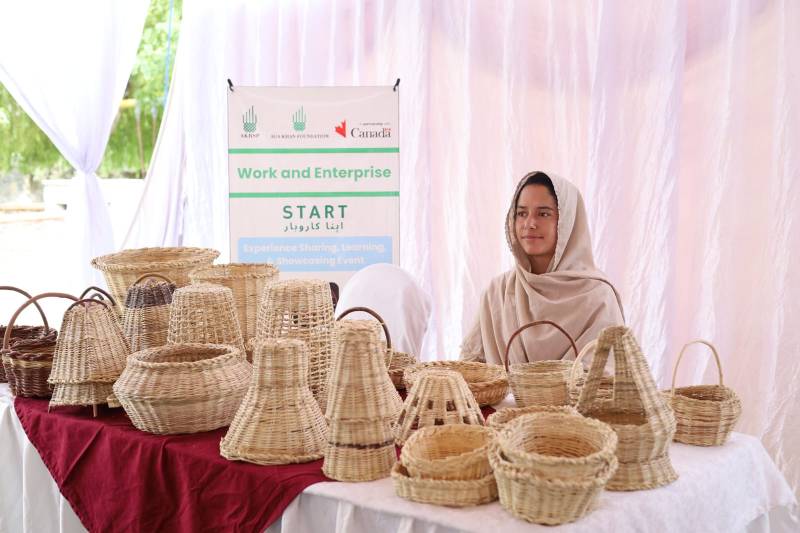
For Noor, support opened the door to freelancing. For Kiran, it helped transform local fruit into a business opportunity. For Zahra, it enabled her to create a service that addresses a critical need for women pursuing education and employment away from home. Their journeys show that while training and startup support can create opportunities, long-term success depends on access to markets, infrastructure, finance and continued mentorship. In Khaplu, opportunity lies in the orchards. In Mastuj, it lies in digital skills. In Gilgit, it takes shape through safe accommodation for women. Different beginnings, but a shared pursuit: building livelihoods where geography and circumstance have often limited opportunity.