

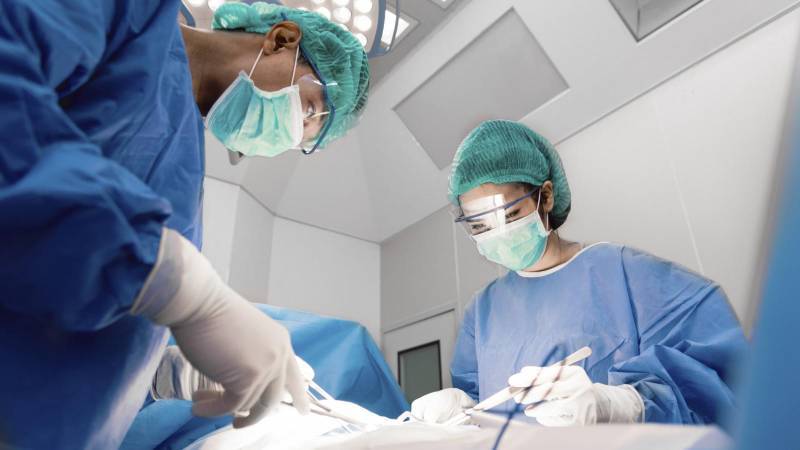
Imagine you’re at a bustling chai stall in Lahore, overhearing a conversation about a recent hospital visit. Amna, a schoolteacher, shares how she signed a consent form for her gallstone surgery but had no idea what the doctor meant by “possible complications.” She trusted him, just as she trusts her mechanic to fix her scooter, but now she’s nervous, questioning what she agreed to. This is the reality for many in Pakistan, where informed consent often feels like signing a blank cheque. Do patients truly understand their treatment options, or are they just swept along by the current of a doctor’s authority?
In Pakistan, the doctor–patient relationship resembles a classroom where the teacher’s word is law. Doctors, revered like elders, make the decisions, and patients—particularly those with limited education—follow without question. With nearly half the population struggling with basic literacy, according to UNESCO, medical terms might as well be a secret code. Consider my cousin in Multan, who was prescribed heart medication but was never informed about the side effects or necessary dietary changes. He took the pills diligently, but months later found himself back in the clinic, confused and unwell—feeling as if he’d missed a crucial memo.
This top-down approach isn’t just cultural—it’s woven into the very fabric of healthcare. In public hospitals, doctors are like chefs in a frantic kitchen, serving up 50 patients a morning with no time for chit-chat. Private clinics, though pricier, often race through appointments too. Consent forms are like guestbooks at weddings—signed quickly, often in English, which many can’t read. A 2023 Lancet study found only one in three surgical patients in Pakistan truly grasped the risks they’d agreed to. It’s like buying a mobile phone without reading the small print—there’s trust, yes, but understanding? Not so much.
Urban youth, scrolling X for health tips, are beginning to ask “why” and “how,” but rural patients still lean on tradition
Why does this gap persist? Picture a family dinner in a village near Sukkur. Questioning the head of the table feels rude—and the same goes for doctors. Patients hesitate to probe, fearing they’ll seem disrespectful. Then there’s the literacy hurdle—explaining diabetes to someone who’s never seen a biology textbook is like teaching calculus to a toddler. And hospitals? They’re stretched thinner than a roti on a tawa. Overworked staff and limited resources mean patient education gets pushed to the back burner.
But what if we flipped the script—making patients co-stars in their healthcare journey? Shared decision-making is like planning a road trip together—doctor and patient mapping out the route, weighing risks and rewards. Imagine a shopkeeper in Peshawar discussing his knee surgery options with his doctor, learning about rehab versus replacement, and leaving confident in his choice. Getting there means boosting health literacy—perhaps through village health talks that compare cholesterol to clogged water pipes. Mobile apps, now common in cities like Karachi, could offer quick videos on asthma or heart disease—like YouTube tutorials for your health.
Doctors need a nudge too. Medical schools focus on fixing bodies, not talking to patients. But what if we trained them like friendly tour guides—skilled at explaining cancer risks to a worried uncle in simple, everyday language? A friend told me about a clinic in Islamabad where doctors role-play these conversations—it’s a small effort, but it’s sparking change. Policy could help too: the Pakistan Medical Commission might mandate consent forms in Urdu or Pashto, or even use short animated clips for those who can’t read. With smartphones in over half of Pakistani hands, according to Statista, tech is a lifeline we can’t ignore.
The future holds promise, but change is slow—like planting a mango tree. Urban youth, scrolling X for health tips, are beginning to ask “why” and “how,” but rural patients still lean on tradition. Doctors might bristle at sharing control, like chefs guarding a secret recipe, and patients may shy away from speaking up. Still, the rewards are worth it: patients who understand their treatment stick with it, like following a beloved biryani recipe. Canada has seen this—shared decision-making builds trust and reduces legal complications. Pakistan could too.
Pause for a moment and consider this: informed consent isn’t just a form—it’s about dignity. Every patient, from a farmer in Sindh to a clerk in Quetta, deserves to know what’s happening inside them. Pakistan’s healthcare system can change, like a rickshaw taking a tight turn—from “just trust me” to “let’s decide together.” It’ll take grit—education, technology, and a cultural shift—but imagine Amna leaving that hospital not just with a signature, but with confidence in her care.