

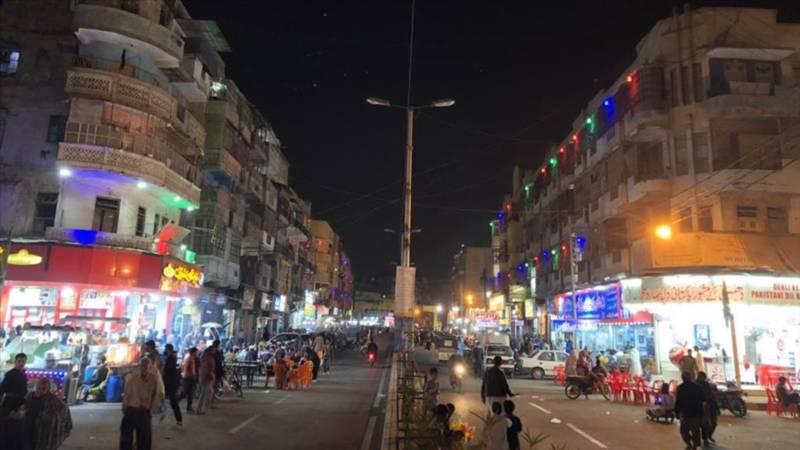
Burns Road is one of Karachi’s most famous and historic food streets. For decades, it has been a symbol of the city’s vibrant food culture and a place where people from all backgrounds come together to enjoy delicious, affordable, and traditional Pakistani cuisine. Walking down Burns Road, one can find small eateries, tea stalls, and family-run restaurants, many of which have been operating for generations. These food places are not just businesses; they are part of Karachi’s heritage, telling stories of migration, resilience, and the art of good cooking.
Burns Road was named after James Burns, a Scottish doctor who served in colonial India. Over time, the road became more famous for its food than for its colonial links. After Partition in 1947, many people migrated to Karachi from different parts of India, bringing their cooking styles and recipes with them. Burns Road became a place where these new arrivals started small businesses and shared their food traditions. This is why you find such a variety of dishes here, reflecting influences from Punjab, Delhi, Hyderabad, and other regions. The sense of history is woven into every shop, with some eateries displaying faded photographs of their founders, dating back to the 1940s and ’50s.
Some of the most famous places on Burns Road include Waheed Kabab House, known for its delicious fried kebabs and spicy nihari, and Fresco Sweets, which has been selling jalebi, traditional sweets, and other food items for decades. Delhi Rabri House is another popular spot, famous for its creamy rabri. Karachi Haleem is well-loved for its smooth, flavourful haleem served year-round. You will also find Saddar Milk Shop, a favourite place for doodh patti chai and fresh lassi. These food shops are more than just restaurants — they are part of Karachi’s culture and hold warm memories for many families.
When you visit Burns Road, your senses are overwhelmed in the best way possible. The street is busy with cars, motorbikes, rickshaws, and pedestrians weaving through the crowds. The air is filled with the scent of spices, grilled meat, fresh naan, and sweet desserts. The sounds of people chatting, shopkeepers calling out offers, and the clatter of cooking utensils create a unique rhythm that defines the place. Families, groups of friends, office workers, and tourists all gather here, making it one of the few places in the city where people from all walks of life come together to share a meal.
Many people talk fondly about visiting with their parents and grandparents, sitting on plastic chairs by the roadside, enjoying food while the city bustled around them
One of the most popular dishes associated with Burns Road is nihari. Shops serving nihari open early in the morning, and customers line up for a hot bowl of this hearty dish, especially on weekends. Served with fresh naan, nihari is a breakfast tradition for many Karachiites.
Another must-try dish is haleem, garnished with fried onions, lemon juice, green chillies, and fresh coriander. This dish is especially popular during Muharram and Ramazan, but you can find it on Burns Road throughout the year. The vendors take great pride in their haleem, often using secret spice blends handed down through their families.
Burns Road is also famous for kebabs of all kinds — seekh kebabs made of spiced minced meat on skewers, chapli kebabs from the northwest, and chicken boti grilled over charcoal are just a few of the favourites. The aroma of these kebabs grilling on open flames is enough to make your mouth water. Paired with paratha or naan, and sometimes with a tangy chutney, these kebabs are a highlight of the street.
No visit to Burns Road is complete without tasting its sweets. The street is home to some of the oldest and most respected sweet shops in Karachi, selling jalebi, gulab jamun, ras malai, and kheer. Jalebi, with its bright orange colour and crisp sugary syrup, is a favourite among visitors, while ras malai — soft cheese dumplings in sweetened milk — offers a gentler, creamy dessert option. These traditional sweets have kept their recipes mostly unchanged for decades, providing a nostalgic taste for those who grew up in Karachi.
Drinks are just as important as the food. You will find chai, doodh patti, and lassi being served from tiny stalls or large metal kettles. Chai culture is strong here, with people sitting for hours over cups of tea, discussing politics, sports, or simply sharing stories. The tea sellers, often with decades of experience, know exactly how to brew a strong cup that balances sweetness and bitterness perfectly. Lassi, a yoghurt-based drink, helps to cool down after a spicy meal and is especially refreshing during the hot summer months.
Burns Road is a place where families build memories. Many people talk fondly about visiting with their parents and grandparents, sitting on plastic chairs by the roadside, enjoying food while the city bustled around them. These family traditions continue, with new generations bringing their children to the same stalls their grandparents once visited. There is a comforting sense of continuity, where food is more than fuel — it is a part of who people are.
Walking through Burns Road at night with its glowing signs, steam rising from food stalls, and the laughter of families, you feel something special
In recent years, Burns Road has seen a wave of change. Efforts have been made by city authorities to manage traffic, clean up the area, and make it more pedestrian-friendly. Some new restaurants with modern seating and improved hygiene have opened, responding to changing tastes and the demands of younger customers. However, the heart of Burns Road remains unchanged. The old shops with their hand-painted signboards, the cooks working in tiny kitchens with giant pots bubbling away, and the street vendors calling out to passers-by all keep the authentic spirit alive.
What makes Burns Road unique is how it stays rooted in tradition while adapting to modern times. You might see a customer taking photos of their food for social media while sitting next to an elderly man who has been eating at the same nihari stall for 50 years. There is a blend of the old and the new that feels very Karachi — a city always moving forward yet never forgetting its roots.
For visitors from outside Karachi, a trip to Burns Road is an unforgettable experience. It is a chance to see a side of the city that is welcoming, energetic, and full of flavour. The street is best visited in the evenings when the lights come on and the entire place glows with life. Tables spill onto the road, the air becomes cooler, and the crowds grow even larger. There is a festival-like atmosphere, with people lining up for their favourite dishes, laughing with friends, and enjoying the moment.
Even with its popularity, Burns Road remains surprisingly affordable. This is one of the reasons why it is so loved by the people of Karachi. A hearty meal that satisfies both the stomach and the heart does not have to cost much. From students to office workers to families, everyone can find something within their budget. This accessibility is a big part of Burns Road’s charm.
The street has also become a point of pride for Karachiites living abroad. When they return home, many make it a priority to visit Burns Road, reconnecting with the flavours of their childhood. Social media has helped spread its fame, with food bloggers and vloggers showcasing the dishes to audiences around the world. Even Pakistanis who have never been to Karachi feel a sense of connection through these videos and stories, seeing Burns Road as a symbol of Pakistani food culture.
Some challenges remain, of course. Managing the crowds, keeping the area clean, and preserving its heritage are ongoing concerns. Traffic congestion can still be a problem, and there are concerns about losing the old character if too many modern changes take place. But overall, the spirit of Burns Road has proven to be strong and resilient — much like the people who work there and the customers who keep coming back.
The cooks and servers of Burns Road deserve special mention. Many of them have been doing this work for decades, starting as young boys helping their fathers or uncles. Their skills are unmatched, built through years of practice and a deep respect for the food they prepare. They know exactly how much spice to add, how long to cook the meat, and how to serve a fresh roti straight from the tandoor. They are artists, keeping centuries of culinary tradition alive with their hands and hearts.
The sense of community is also visible in how the vendors look out for one another. During Ramazan or on special religious days, many of the food stall owners work together to distribute free food to those in need. Acts of kindness and generosity are common here, showing that Burns Road is not just about making money, but about sharing blessings.
Walking through Burns Road at night with its glowing signs, steam rising from food stalls, and the laughter of families, you feel something special. It is a place that captures the soul of Karachi: diverse, chaotic, generous, and full of life. Food has a way of bringing people together, and nowhere is this clearer than on this street. Each dish carries a piece of history, each stall a piece of someone’s dreams.
Burns Road is more than a place to eat. It is a living tradition, a cultural landmark, and a reminder of how food connects us all. It stands as proof that the simplest pleasures, like a plate of kebabs or a cup of chai, can become powerful memories. In a city as large and sometimes overwhelming as Karachi, Burns Road offers something familiar, warm, and welcoming. Whether you are a local or a visitor, stepping into Burns Road is a journey into the heart of Pakistani food and hospitality, a journey that leaves you full not just in body but in spirit too.