

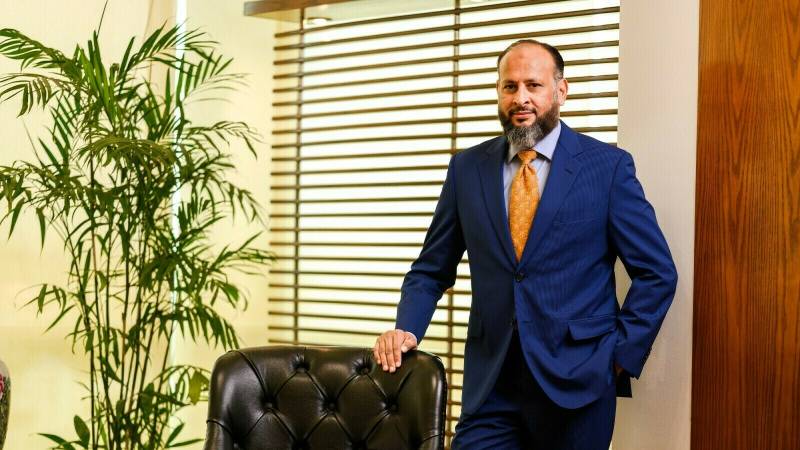
The workplace harassment case against K-Electric CEO Moonis Alvi is not just a legal matter—it is a test of Pakistan’s ability to hold powerful men accountable. On 31 July 2025, the Sindh Ombudsman found Alvi guilty of harassing a senior female executive, ordered his immediate removal, and imposed a fine of Rs 2.5 million. The ruling was clear: Alvi created a hostile environment that caused distress to a colleague, violating the very law designed to protect women at work.
Rather than accepting the decision and cooperating with accountability, Alvi rushed to the courts. The Sindh High Court has since suspended his removal order, citing jurisdictional complexities over whether a provincial or federal ombudsman has authority over a trans-provincial entity like K-Electric. For now, Alvi remains in office, but the case is far from resolved. The next hearing is due in September, leaving the organisation, its employees, and the public in limbo.
The Larger Stakes
This is bigger than one man’s career. It is about whether institutions—both corporate and judicial—will reinforce the principle that no leader is above scrutiny.
1) Law vs. Loopholes
Jurisdictional debates must not become escape routes for the powerful. The real issue is not whether the Ombudsman was provincial or federal—it is whether harassment occurred, and whether those accused of it should continue to wield unchecked power during proceedings.
2) Due Process Cannot Be a Shield for Delay
Alvi has the right to appeal, but that right does not erase the responsibility to maintain the integrity of his office. Too often, “due process” is weaponised into endless delay, exhausting complainants and eroding faith in justice.
The board of K-Electric must declare its commitment to zero tolerance for harassment and set the precedent that leadership positions are privileges conditioned on ethical conduct
3) Public Trust in Corporate Governance
K-Electric is not a private family business—it is a critical utility that millions of Karachi residents depend upon daily. Its leadership must be beyond reproach. For Alvi to remain at the helm while facing such serious findings undermines both the company’s credibility and the broader fight against workplace harassment.
Recommendations
If Pakistan is serious about accountability and gender justice, then the following must happen without delay:
1) Moonis Alvi Must Step Aside Immediately
Remaining in charge while appealing a harassment conviction is untenable. Stepping aside is not an admission of guilt—it is the minimum standard of integrity expected of someone in his position. Anything less signals to every employee that the rules do not apply equally.
2) The Courts Must Act Quickly
Justice delayed will be justice denied—for both Alvi and the complainant. Endless adjournments and procedural tangles only serve to protect the powerful and discourage victims from ever coming forward.
3) K-Electric Must Reinforce Its Harassment Safeguards
The company should urgently institute stronger internal mechanisms—confidential reporting, independent review panels, and binding protections—so that no employee feels helpless against authority again.
4) The Board Must Take a Public Stand
Silence is complicity. The board of K-Electric must declare its commitment to zero tolerance for harassment and set the precedent that leadership positions are privileges conditioned on ethical conduct.
The question is simple: will Pakistan’s institutions protect the vulnerable or the powerful? If Alvi continues to preside over K-Electric during his appeal, the message will be that harassment rulings can be shrugged off with legal manoeuvring. But if he steps aside, it will mark a turning point—proof that accountability applies even to the most influential executives.
This is the choice before us. To look away is to accept that power trumps justice. To act decisively is to show that Pakistan will not tolerate harassment in any workplace, least of all in the office of a CEO.