

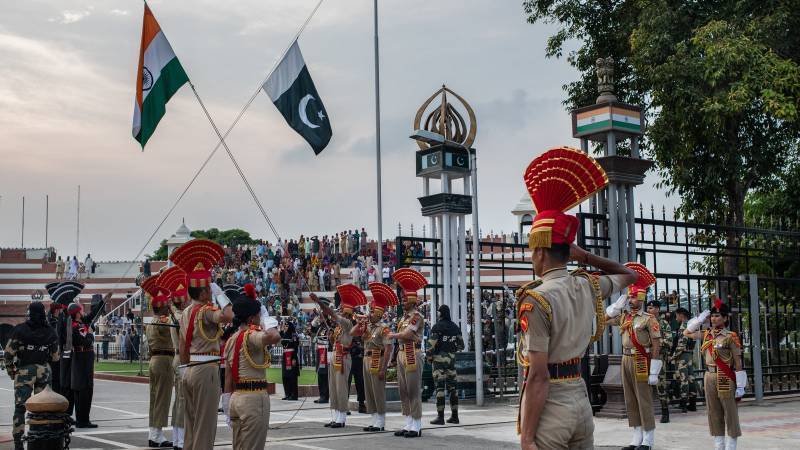
Most recently, India and Pakistan engaged in a short but intense armed conflict, the most severe since the 2019 Pulwama-Balakot crisis. The trigger was a terrorist attack in Indian-held Jammu and Kashmir’s Pahalgam area on April 22, 2025, which claimed the lives of 26 tourists. India responded with “Operation Sindoor,” targeting multiple sites across Pakistan and Pakistan-administered Kashmir, causing significant civilian casualties. In response, Pakistan retaliated under its operation named Bunyan al-Marsous, hence launching drone and missile strikes as well as air engagements besides artillery exchanges along the Line of Control (LoC). This rapid escalation underscores the urgent need for concrete policy measures to prevent such armed conflicts between these nuclear states. To effectively prevent future armed conflicts and wars between India and Pakistan, policymakers in both countries must prioritise diplomatic mechanisms, communication channels, and multilateral cooperation to de-escalate tensions and foster sustained peace.
To begin with, both India and Pakistan should establish formal backchannel negotiations involving retired intelligence officials, diplomats, and security experts. These intermediaries can confidentially address sensitive issues such as ceasefire enforcement, cross-border attacks, and investigations into terror incidents. They could bypass political posturing and focus on trust-building.
In addition, the existing hotline between the Director Generals of Military Operations (DGMO) must be activated and monitored regularly, particularly during any cross-border incident. This communication should be complemented by regular dialogues between national security advisers and foreign ministers to coordinate responses and avoid unilateral escalations. Clear Standard Operating Procedures (SOPs) must be agreed upon to respond swiftly to accidental or intentional provocations.
The world, especially nuclear-armed neighbours such as India and Pakistan, cannot afford the devastating consequences of another armed conflict that could turn into a full-scale war
To reduce the risk of rapid escalation, both sides should mutually agree to withdraw heavy artillery from forward positions along the LoC and limit drone and air surveillance operations. Restoring trade and transit routes in designated safe zones will not only support economic interdependence but also create incentives for peace.
Moreover, given the complexity of Indo-Pak relations, a third-party neutral facilitator is crucial. While the United States’ reluctance to intervene directly poses challenges, its role as a global power and mediator remains vital. The US should appoint a special envoy tasked with coordinating peace efforts through platforms such as the G20 and the Quad. Concurrently, neutral Gulf States such as Saudi Arabia and the UAE, with growing economic influence, can serve as regional mediators to foster dialogue and apply diplomatic pressure.
In response to the Pahalgam attack, Pakistan’s Prime Minister has already hinted at the need for a UN or US-led commission to investigate the incident. Establishing such an impartial commission would help ensure transparency and accountability, providing a mechanism to probe similar future incidents objectively, rather than escalating tensions into warfare. Indian leadership must work in tandem with the UN and the US─who hold significant leverage over India─to facilitate investigations and conflict resolution. This approach can prevent knee-jerk military responses that risk triggering a broader, potentially nuclear, conflict.
Besides, to prevent misunderstandings that could lead to an armed conflict in the future, India and Pakistan should consider sharing satellite imagery and intelligence related to militant activities and cross-border movements. This transparency can build confidence and reduce the potential for misinformation or propaganda to fuel hostilities.
In addition, engaging think tanks, academic experts, and retired officials in terms of a sustained Track II dialogue can help develop pragmatic policy frameworks beyond electoral politics and nationalist rhetoric. These dialogues can generate innovative conflict resolution strategies and recommend confidence-building measures tailored to current realities. The governments of both countries should commit to responsible public communication that avoids inflammatory rhetoric during periods of tension. Encouraging media restraint and promoting narratives of peace and cooperation can help counteract jingoism and reduce public pressure for aggressive policies.
Finally, the recurrent cycle of hostility between India and Pakistan, amplified by misinformation, mistrust, and political brinkmanship, requires comprehensive, multi-layered policy responses. Establishing continuous, reliable communication channels, backed by regional and global mediation, and supported by intelligence sharing and confidence-building measures, is essential to prevent future wars. The world, especially nuclear-armed neighbours such as India and Pakistan, cannot afford the devastating consequences of another armed conflict that could turn into a full-scale war.