

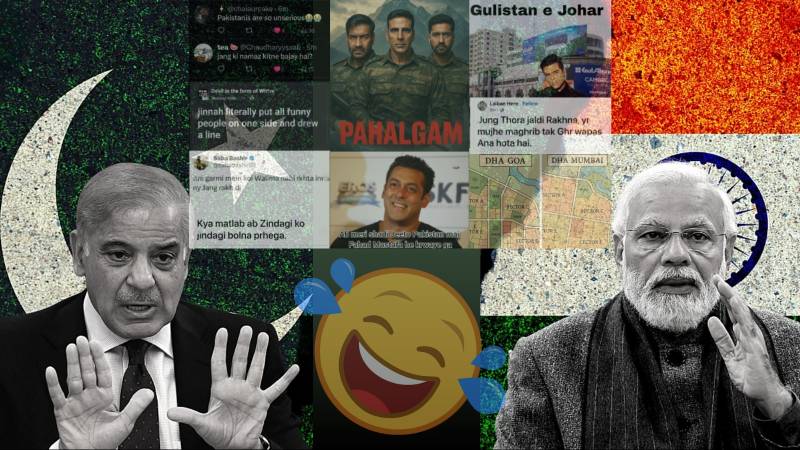
Tensions are high on the Line of Control (LoC) following India's launch of attacks on areas near the LoC (Line of Control) in the early morning between May 6-7, 2025. This attack came 10 days following the Pahalgam attack in which 26 lives were unfortunately lost. India blamed Pakistan and did not share proof of Pakistan’s involvement. Pakistan continuously asked India to show evidence of its involvement, and till writing, Pakistan and the rest of the world are still waiting.
Shortly after the Pahalgam attack, the Indian PM threatened to suspend the Indus Water Treaty, which Pakistan said it would consider as an act of war. While people were still thinking whether India would go ahead with its threat, early on the morning of May 7, 2025, India attacked Pakistan with fighter jets, and Pakistan retaliated by shooting down at least five jet planes, two drones, and some quadcopters.
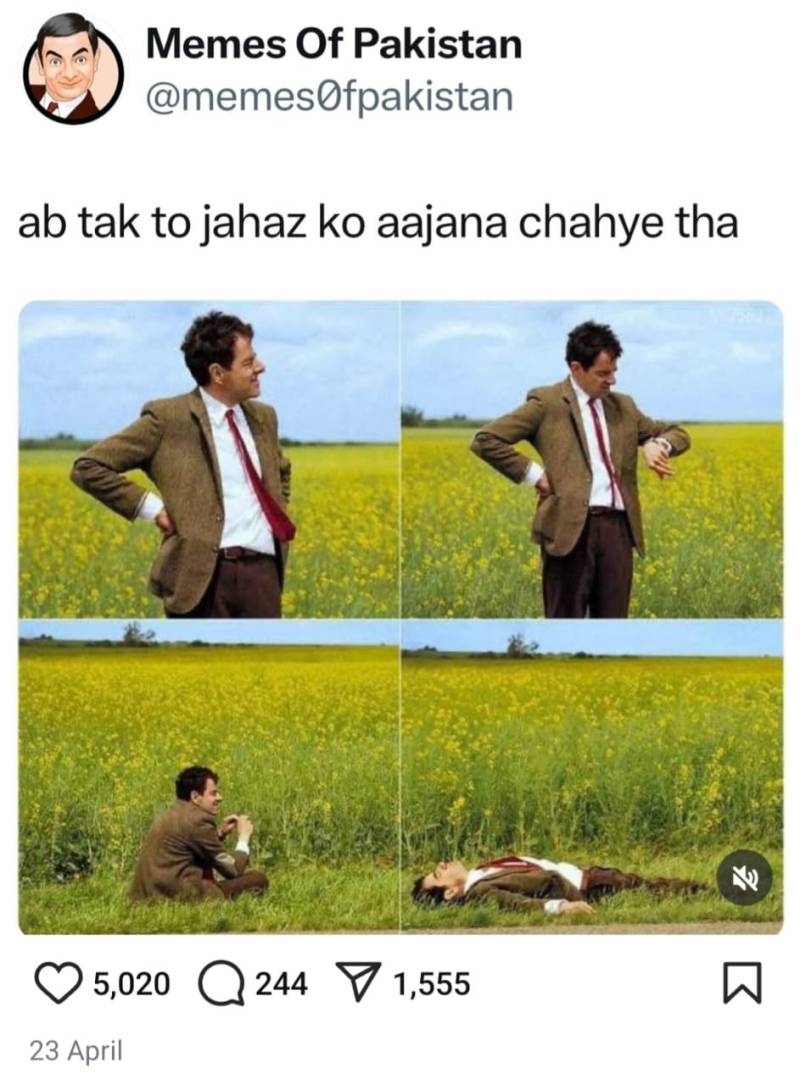
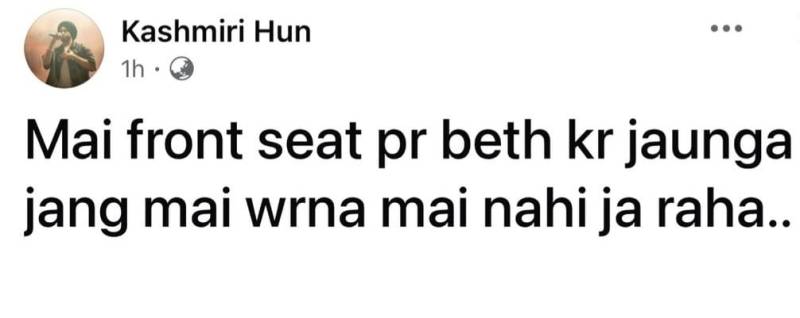
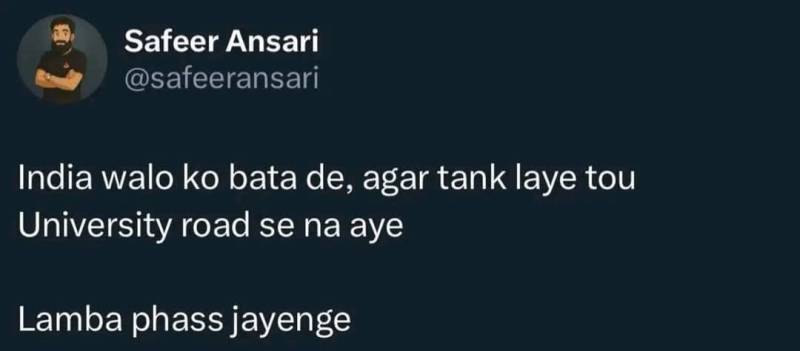
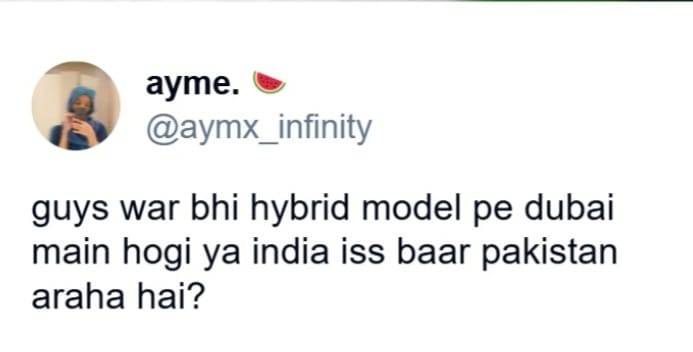
Meanwhile, a day following the Pahalgam attack and the Indian prime minister’s threat, Pakistani memers chose humour and satire to fight back. Scores of news memes were made, and older ones regurgitated. And it will be safe to say most of them were hilarious.
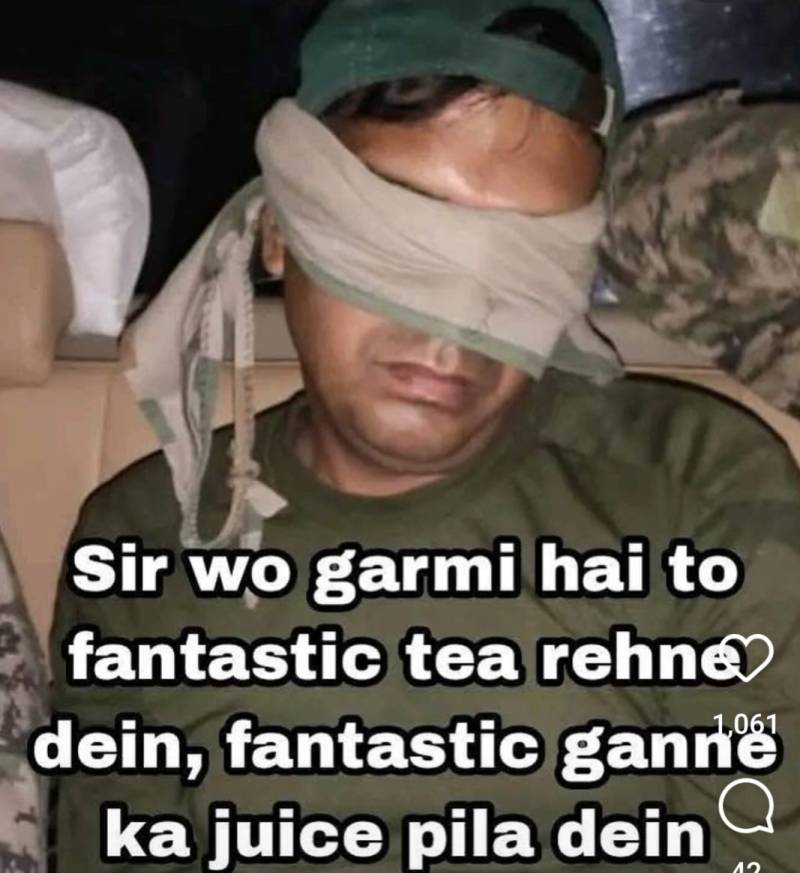
The memers used all possible pre-war, war, and post-war scenarios between the two countries. Images and videos of the Indian fighter pilot Abhinandan Varthaman and his comment ‘Tea was fantastic’, to different outcomes if the two neighbours went to war, and if India stopped water to Pakistan, became the basis of these memes.
According to Falak Z. Mohsin, a psychologist and mental health advocate, and inclusivity advocate, “When something awful like the Pahalgam attack happens, and you see memes popping up, the community is trying to process it together, especially in places where things are already politically charged. These memes can become a way for people to express their shared feelings – anger, sadness, fear, even defiance. A way to create a sense of "we're all in this together," or sometimes, unfortunately, they can also amplify existing tensions and stereotypes. It's like a digital echo of emotions.”
Mirroring Falak’s comment, Ayesha Sohail, an associate clinical psychologist, EMDR practitioner, and Trauma Informed Therapist, said, “In times of trauma or national crisis, especially in politically sensitive regions, memes and dark humour become ways for people to cope, connect, and make sense of what feels unbearable. They offer emotional relief and a sense of solidarity. But while they can bring communities together, they can also deepen divisions if they’re insensitive or dismissive. Humour helps us survive the moment, it doesn’t erase the pain, but it gives us a moment to breathe.”
Some of the memes were hilarious, but they are dangerous as they can normalise. As Falak Zehra said, “We are so used to hearing sexist or racist jokes - so normalised that we don’t even see them as sexist or racist anymore.”
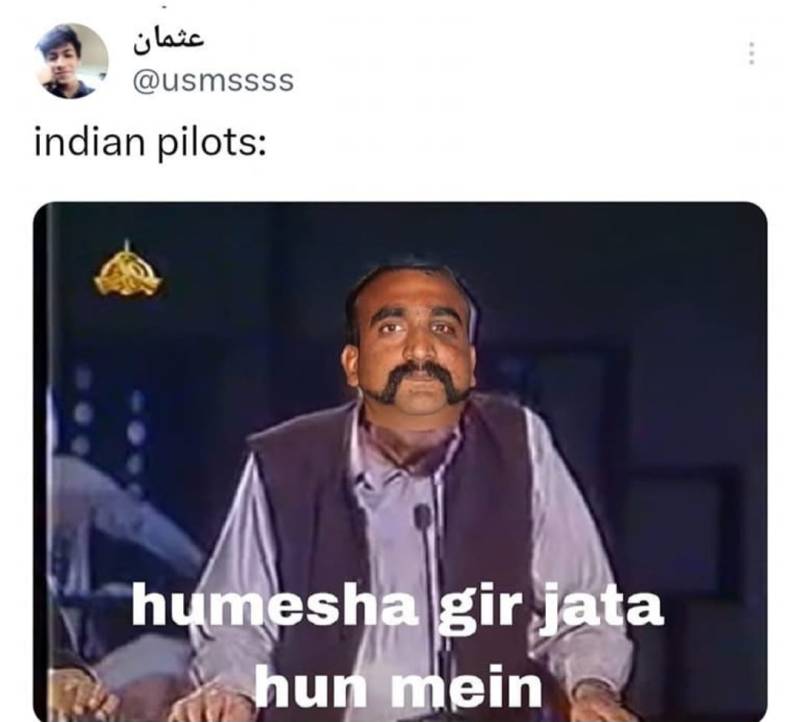
But can Pakistani memers help themselves from making fun of the Indian pilot Abhinandan Varthaman? Not using him as a constant meme is hard.
And now Pakistani memers have so much content to make jokes. Take for example, the response to India’s Operation Sindhoor, all they did was use a very famous line from a Shahrukh Khan’s Bollywood flick a voila. The line was when the heroine said, “Ek chutki Sindhoor ki qeemat tum kia jano…” Loosely translated to "You don’t know the price of a pinch of vermilion (for a married woman)”.
The context becomes funny as vermilion is used by Hindu women to signify their marital status and the lady is trying to signify the importance of this. So Pakistani memers replied (without disrespect to anyone’s religious sentiments) that the price of a pinch of vermilion is six fighter jets – Pakistan had downed India’s six fighters.
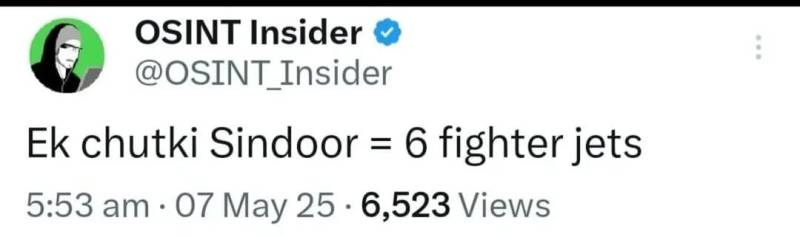
The sindhoor jokes made themselves. Take Fasi Zaka, he probably didn’t even have to make any effort to come with this one.
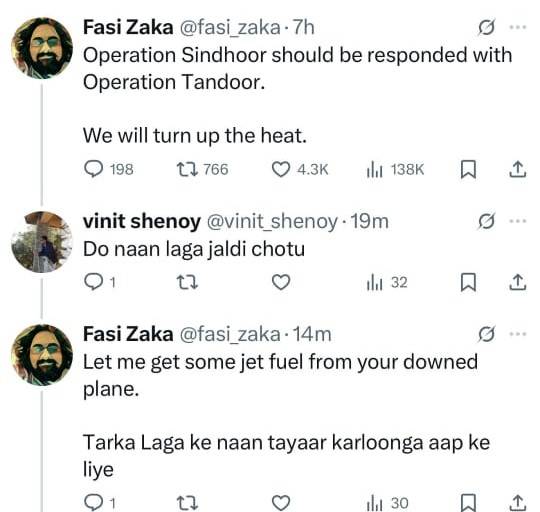
And then others followed.
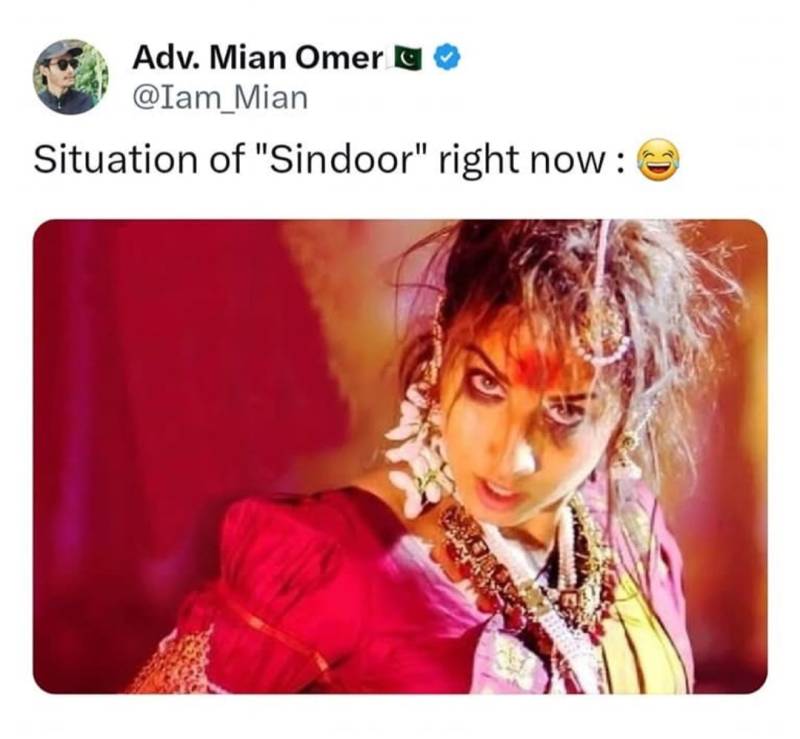
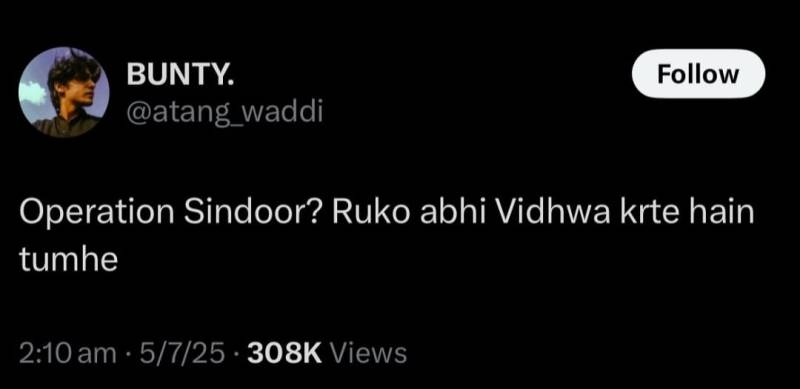
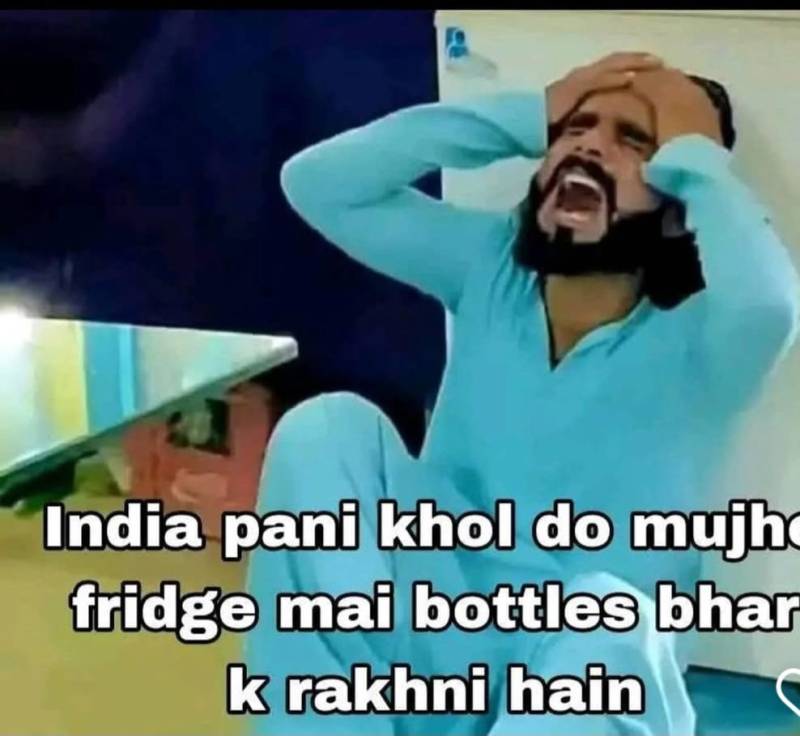
Memers didn’t event let Indian Prime minister’s threat to suspend the Indus Water Treaty impact people. Mocking the suspension with memes.
Commenting on this, Qirat Fatani, an Associate Clinical Psychologist, believes “When tragedies are turned into jokes or memes, they risk being seen as less important or less worthy of response. This can reduce public empathy and motivation for meaningful change. Humour provides a short-term emotional escape, but in the long term, it may contribute to emotional numbness, inaction, and normalisation of ongoing crises.”
People turn to humour and memes after trauma because it’s one of the quickest ways to emotionally release what they can’t fully express
Qirat added that humour in memes can be a way to start processing difficult emotions. But there's a real risk of desensitisation too. If we're constantly bombarded with jokes about violence and suffering, it can become normalised, and we might lose
Some of our empathy and sense of outrage. It's a fine line.
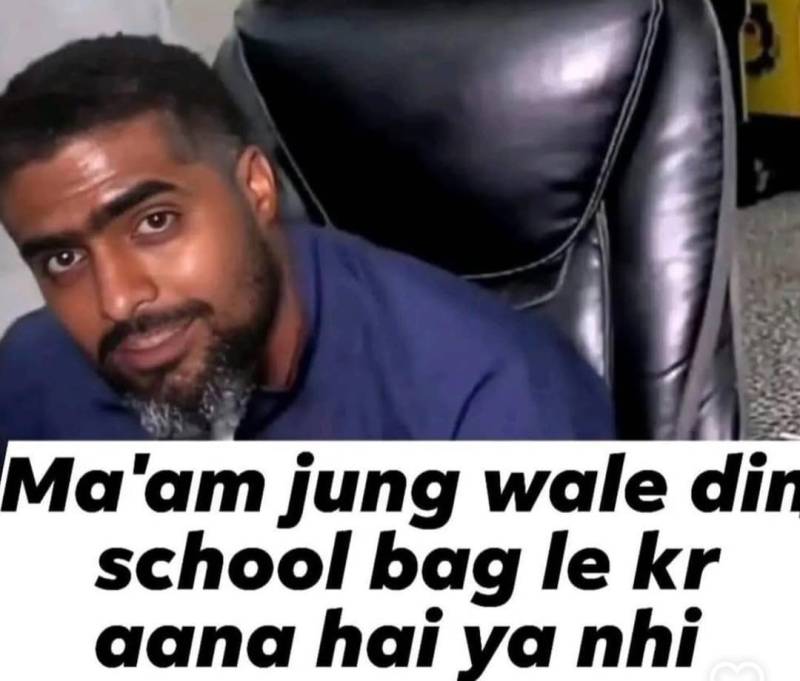
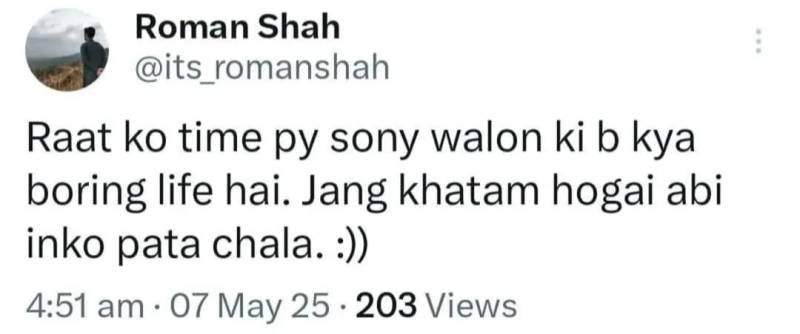
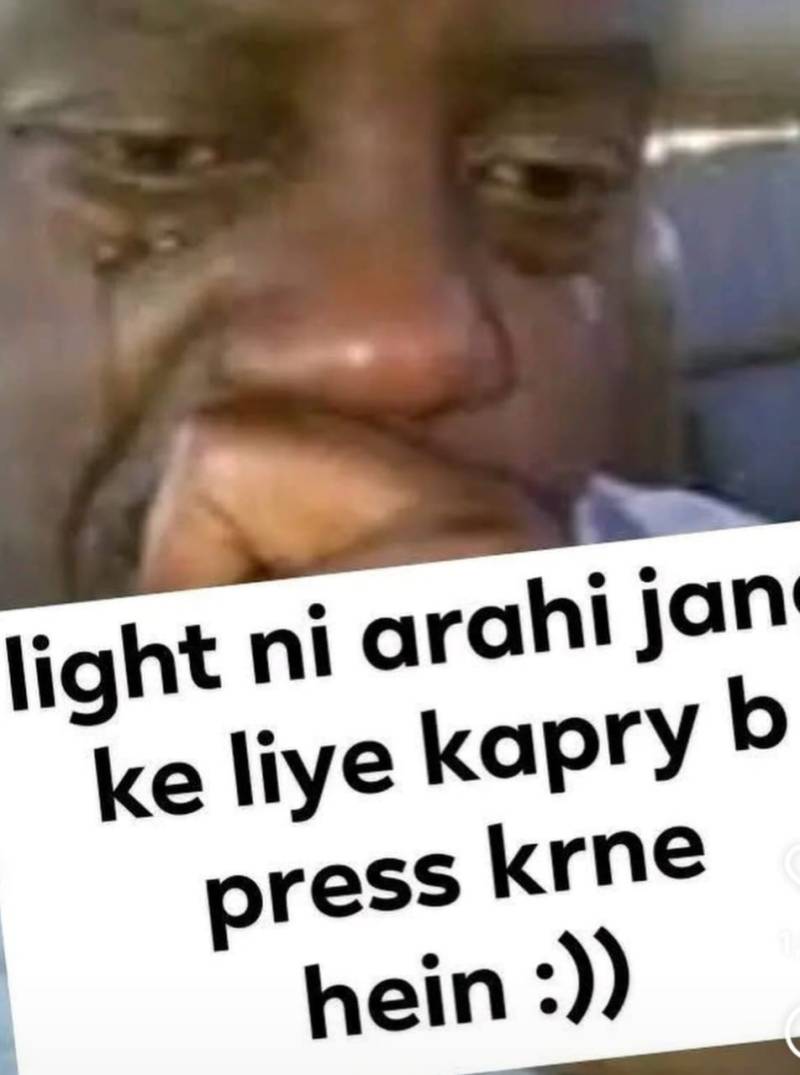
It is commonly believed that millennials, Gen Z, and Gen Alpha are behind most of these memes, as the younger generation may not want to wade through long-form content like articles, features, and documentaries. They get enough traction from their short, sharp and impactful.
Seeing how the meme culture has evolved and helped people how not to deal with tense situations but also spread information, Qirat Fatani thinks, “Meme culture definitely helps people find a fun or a light-hearted element in their lives, especially during difficult times. Humour can serve as a coping mechanism, allowing individuals and communities to process trauma in a more manageable way. It’s important to strike a balance between humour and responsibility, especially in the context of traumatic or politically sensitive events.”
Does humour help?
Experts believe humour can be used to highlight an important issue without getting emotionally invested. It is a way to deal with overwhelming issues, although not all people may use it to help them deal with things. But it can help
Traumatic events can sometimes leave a lasting impression on people’s minds, which is why some experts believe memes can help people cope with extremely difficult situations.
Commenting on this Falak Zehra said, “Humour offers a temporary escape and sense of control when things feel overwhelming. It can lead to bonding through shared experience, allowing difficult emotions to be expressed. Think of it like Freud's concept of defence mechanisms, where humour can be a way the ego copes with difficult realities.”
Meanwhile, some experts believe people use humour when faced with problems even as severe as war. Commenting on this, Shahjehan Saleem, Strategic Media & PR Communications Expert Transformative Digital Media Educator and Digital Journalist, said,
“Humour is survival. In places like Pakistan and India, where the threat of conflict is always just under the surface, memes become a pressure release — a way to laugh at the absurdity before it crushes you. It’s resilience, yes, but it’s also a coping shortcut. Sometimes humour is a shield because staring directly at the chaos would mean losing control.”
Agreeing Qirat Fatani thinks there are some issues as well. “Humour, especially when used excessively, can desensitise people to the gravity of serious issues, diminishing their sense of empathy and urgency to take meaningful action. By diverting attention from emotional pain rather than addressing it, individuals risk accumulating unresolved trauma, which may later manifest through psychological distress or maladaptive behaviour.”
Qirat added that it can hinder individuals from processing trauma healthily and constructively. Over time, the emotions that are pushed aside may resurface in more intense or disruptive ways. Laughter can be incredibly powerful in the face of despair. It's a way of saying, "You can't break us. But on the other hand, it can sometimes be a way to avoid really confronting the pain and trauma. A difficult balance really important question!
Can memes spread misinformation?
Like any other content, memes can be used to spread misinformation and set or reinforce a particular narrative. As most of this content is produced by the public, the context is different from the content produced by professionals like journalists.
Commenting on this Qirat said, “When memes are made about serious issues such as in the case of the Pahalgam attack, they can sometimes trivialise the gravity of the situation. This can lead to desensitisation, where the public becomes numb to the severity of the event. In regions with tense political relations, such memes can also fuel misinformation, they may shift the focus from meaningful dialogue and action to mockery and sarcasm, which can hinder the process.”
There is danger in getting desensitised and unable to handle emotions by using humour to handle difficult emotions, or could it lead \to violence and suffering. Shahjehan Saleem, said, “It does both, and often at the same time. Humour cracks open the door for emotional processing, but it can just as easily slam it shut. When every act of violence becomes meme fodder, outrage turns into background noise. It's a delicate balance between feeling seen and becoming numb.”
Qirat elaborated, “People might be desensitised. Young people may begin to view things with apathy rather than empathy. This might also limit their ability to think in a critical manner. Constant exposure to this kind of content may lead to emotional detachment, where the youth become numb to suffering, assuming that nothing can be done.”
But will this affect the youth only?
“Memes aren’t just a Gen Z reflex anymore, they’ve bled into every generation that's online.” Said Shahjehan Saleem, Strategic Media & PR Communications Expert Transformative Digital Media Educator and Digital Journalist. “Attention spans have collapsed, and memes fill the gaps where traditional media can’t. Journalists shouldn’t fear memes; they should fear irrelevance. The landscape has shifted. Either you learn to read the new language, or you get left behind.”
To help people, especially the young, to retain their humanity and empathy, Qirat said, “Psychologists can equip them with healthier ways to cope with stress can prevent reliance on humour as a sole escape from reality. When memes make violence or suffering seem trivial, psychologists can work with young people to help them recognise the real-world impact of these issues.”
She added, “Educating youth on the consequences of desensitisation can encourage them to reconnect with the seriousness of the situation. They can encourage and educate them on the importance of empathy in such situations. Lastly, psychologists can help young people shift from passive consumption of memes to more active, positive engagement. Encouraging them to seek out ways they can contribute to positive change.”
Are humour and memes bad for mental health?
Another important question is, can humour protect mental health from deteriorating? Humour has often been used to discuss sensitive issues worldwide. We see renowned dramatists, poets, artists and cartoonists, and writers use this to say things with less discomfort.
Every country’s media has produced great humorous content, but does it help?
According to experts, humour is a good tool to deal with trauma and sensitive issues, as Ayesha said, people turn to humour and memes after trauma because it’s one of the quickest ways to emotionally release what they can’t fully express.
Commenting on this, Falak Zehra said, “For younger audiences, especially teens, violent or politically charged memes can be confusing — they often laugh without fully understanding the pain or history behind them. Over time, this can lead to emotional numbness or a skewed sense of reality. Psychologists can help by encouraging open conversations, teaching media literacy, and helping young people recognise their emotions beneath the humour. The goal isn’t to stop the memes—but to help youth process what they’re feeling.”
Excess of anything, including good things, is bad. And laughter, or too much of it, may not be too good for the developing minds. We should try to spread peace and happiness, and in the process preserve humanity and empathy as it has become a rare, fragile thing.