

Long before climate activism became trendy, before hashtags turned into movements, and well before his first cleanup post went viral on Reddit — Sarmad Latif was quietly starting a revolution in his family’s kitchen.
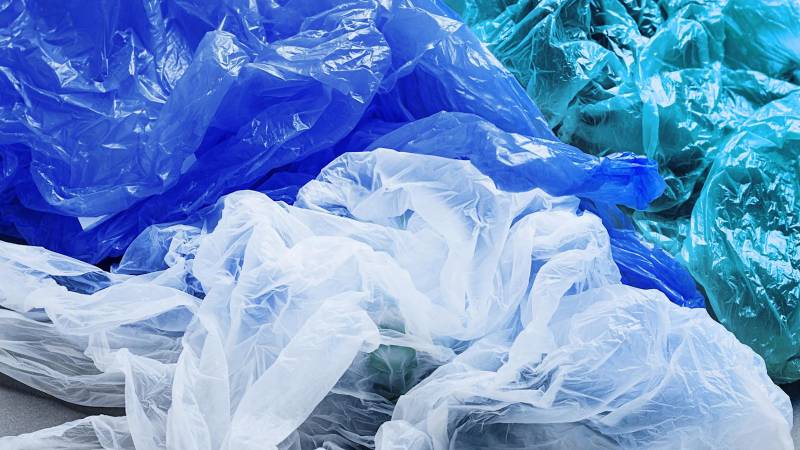
It was 2017. A young Sarmad, then a student in South Punjab, noticed something that no one else around him seemed to care about: plastic waste. Every weekend, his father would return from their ancestral village, bringing back fresh, organic fruits and vegetables — along with dozens of disposable plastic bags. While the produce was shared with friends, neighbors, and extended family, the plastic bags simply piled up in the kitchen, unnoticed and unaddressed.
“I didn’t know much about climate change or plastic pollution back then,” Sarmad recalls. “I just knew something felt... off.”
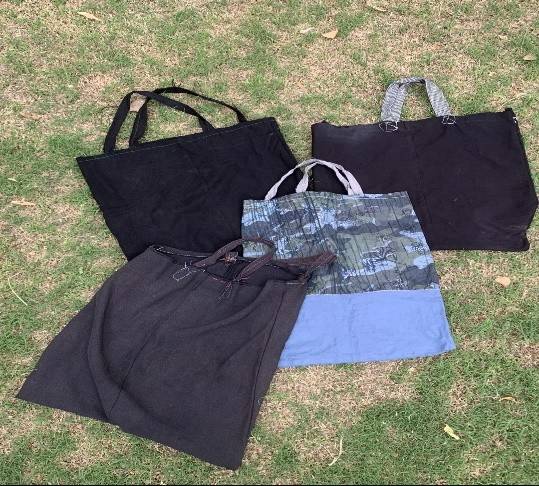
His solution was simple but bold: reusable cloth bags. His family wasn’t sold on the idea at first — they thought it was just an added hassle. But Sarmad, persistent even as a teenager, took matters into his own hands. He went to a local tailor, had cloth bags stitched, and insisted they be used. Gradually, his family came around. What started as a personal habit soon became his first step toward sustainable living.
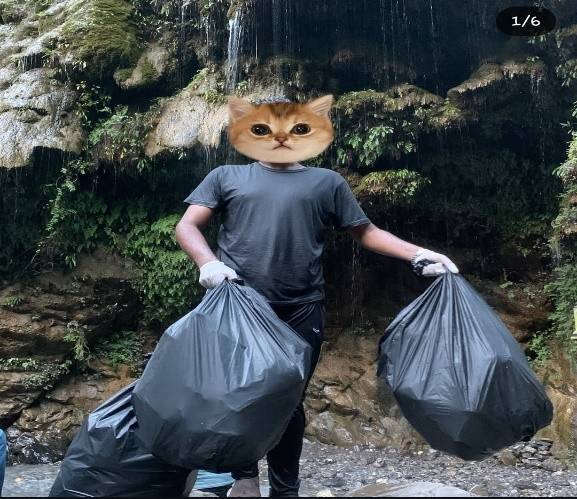
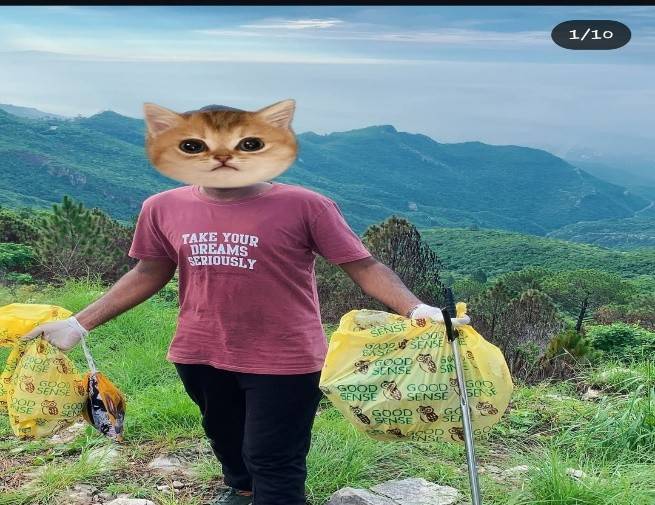
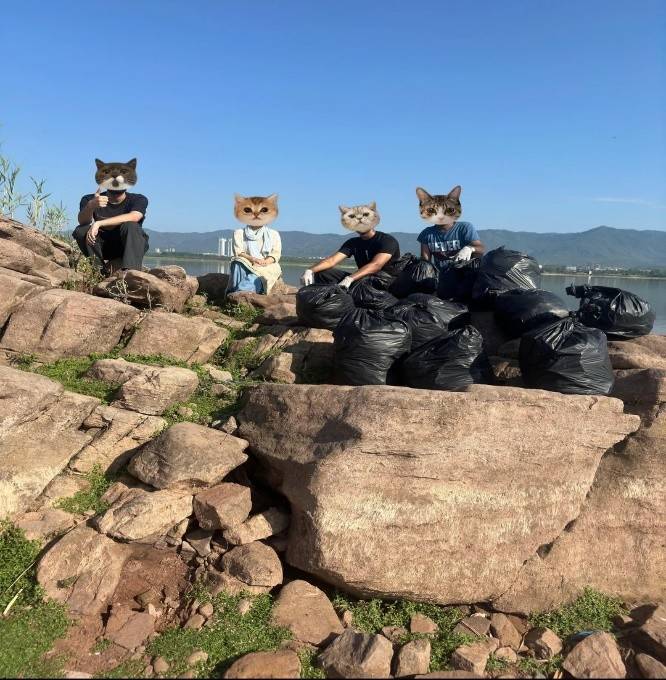
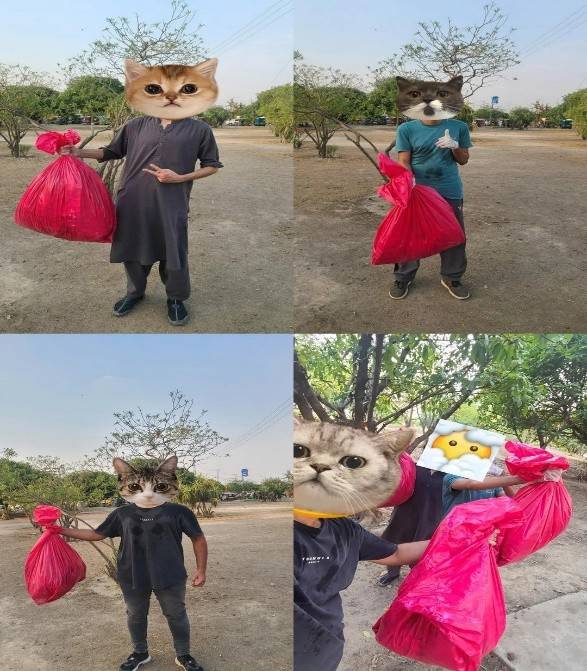
Fast forward to end of 2023. In the middle of med school stress and final year, Sarmad made a New Year’s resolution — to clean up his favorite park in Islamabad, F-9, after his evening walks. What began as a solo ritual turned into a movement. Every weekend, he’d collect litter, post updates anonymously on Reddit (his face hidden with a cat emoji in honor of his beloved cats, Poke and Pixie), and connect with strangers who cared about the environment as much as he did.
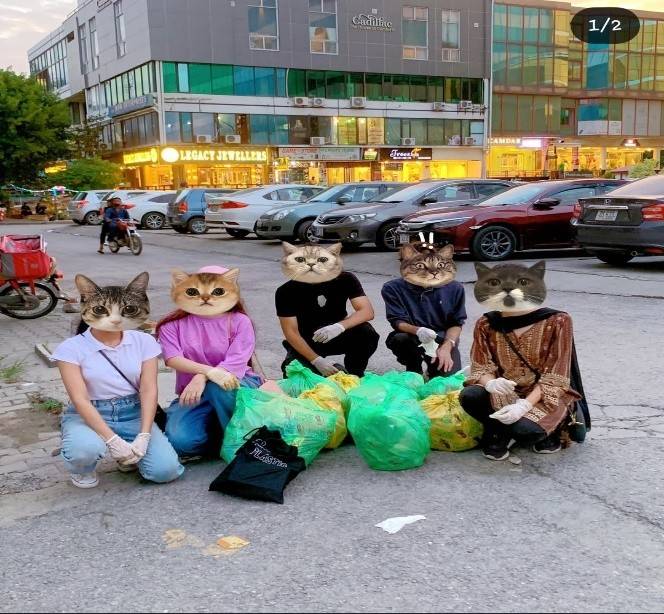
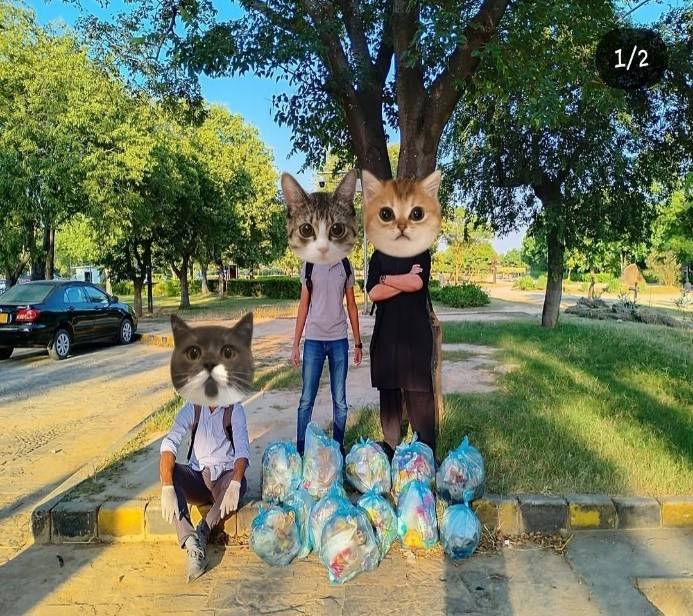
“Reddit gave me a space to be understood,” he says. “It wasn’t about likes or followers. It was about finding people who genuinely cared.” Out of those anonymous posts, Poke Plastic was born — named after his cat Poke — Pakistan’s first grassroots community focused on cleaning plastic waste and raising environmental awareness. At first, it was just Sarmad, a trash bag, and a sense of duty. Later came the gloves, trash pickers, and careful safety guidelines. His efforts caught the attention of local and international activists, including a shoutout from Tuesdays for Trash, a global movement that encourages community cleanups across the world.
Unlike international organisations like Global Plastic Cleanup or Big Blue Ocean Cleanup, which operate with substantial funding, Poke Plastic runs on passion
What started in Islamabad quickly expanded to Lahore, Karachi, Bahawalpur, and beyond. Families joined in. Strangers became volunteers. Cleanups took place across scenic and often neglected spots — Margalla Hills, Rawal Lake, Punj Peer, Ayubia, and even Mushkpuri Trails. He was also able to hold small collaborations such as one with the popular Islamabad running community called “Islamabad run with us’’, another collab with Skate Pakistan also helped Poke plastic gain traction.
But it hasn’t always been easy. “There were days we expected 50 people to show up. Three came,” he says with a small laugh. I agree with him remembering one such cleanup at our own med school — only me, my brother, and one friend showed up, despite dozens having RSVP’d online. The low turnouts were disappointing, and the judgment was worse. Some mocked Sarmad, calling him “the trash guy” or accusing him of chasing clout. But he stayed focused.
In 2024, Poke Plastic began expanding with the help of city team leads. Safety became a priority: volunteers had to be over 18 and provide ID verification. Those selected were given gloves, trash bags, and instructions. Sarmad ensured that the events were safe, inclusive, and well-organised — empowering young Pakistanis across the country to take action.
The idea for cleanup tourism came to Sarmad during a graduation trip to Hunza. While hiking around the pristine Satrangi and Borith Lakes, he was struck not just by the beauty — but by the trash. “People carry 3 kg of snacks with them to these places,” he says, frustrated. “But they can’t carry back 50 grams of their own waste?”
The problem wasn’t just litter — it was a broken mindset. He realised that many of Pakistan’s breathtaking tourist destinations were not only underdeveloped but also suffering from unchecked pollution. Trails were covered in candy wrappers, bottles, and plastic bags. He dreamed of creating organised travel experiences that combined adventure with environmental action — but with med school finals looming, he had to put the plan on hold. Still, he kept Poke Plastic alive — selling eco-friendly merch, hosting smaller cleanups, and engaging more volunteers while building out his vision.
Unlike international organisations like Global Plastic Cleanup or Big Blue Ocean Cleanup, which operate with substantial funding, Poke Plastic runs on passion. “Funding’s a real challenge,” Sarmad admits. “But so far, I’ve covered the costs myself. Volunteers have been generous and self-funded their own travel and equipment.”
After graduating, Sarmad decided to give his cleanup tourism idea a test run. He packed a bag, took his bike — and his cat, Pixie — and set off across Gilgit, Hunza, and Skardu. What he found was both eye-opening and infuriating. “Social media shows you cherry blossoms and scenic lakes,” he says, “but the reality is far from the filtered pictures. There’s litter everywhere — from the Eagle’s Nest to Kachura Lake. Honestly, it should be called Khachra Lake.” Satpara Lake in Skardu, a hub for fishing and international tourists, was “a trash can,” in his words.
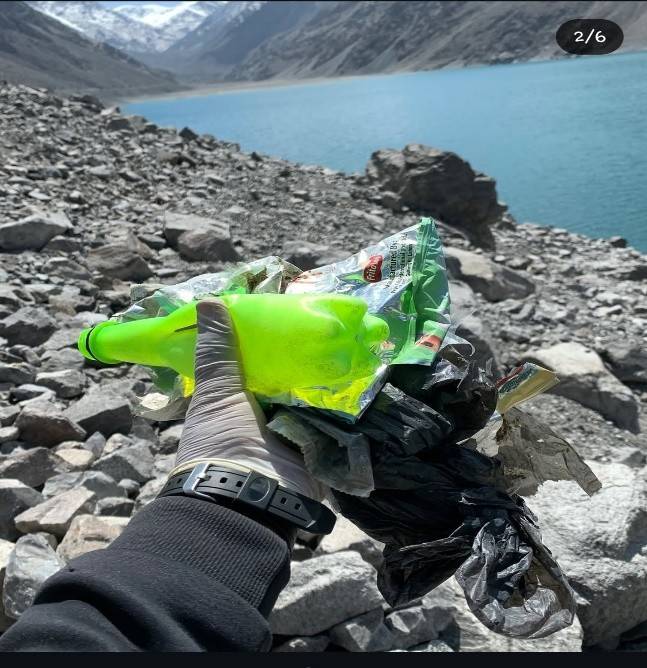
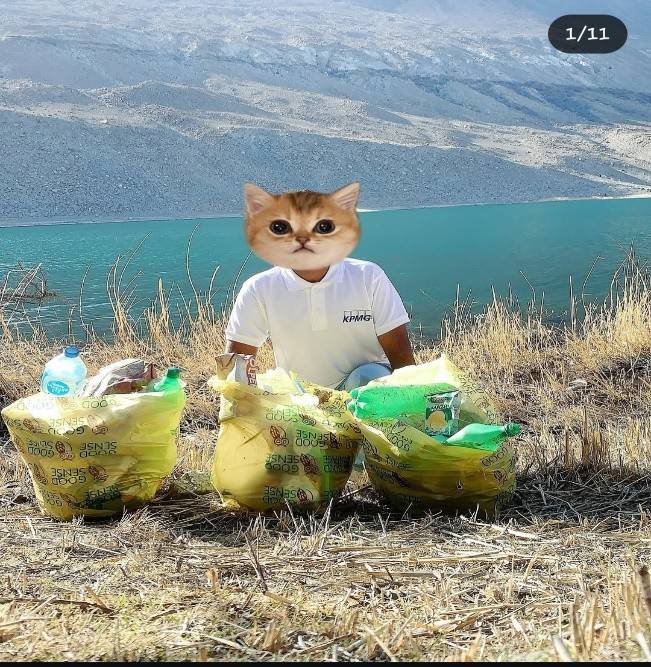
Currently, in Shigar, Sarmad plans to stay a few more days cleaning the area before returning to Islamabad and launching another campaign. With his medical house job just around the corner, he admits he’s anxious about the future of Poke Plastic — but one thing is certain:
“This is just the beginning,” he says. “If I can inspire even a few more people to care, then I’ve done my part.”
You can follow and support Sarmad’s journey on social media. r/zeroplastic on Reddit and poke plastic on Instagram.