

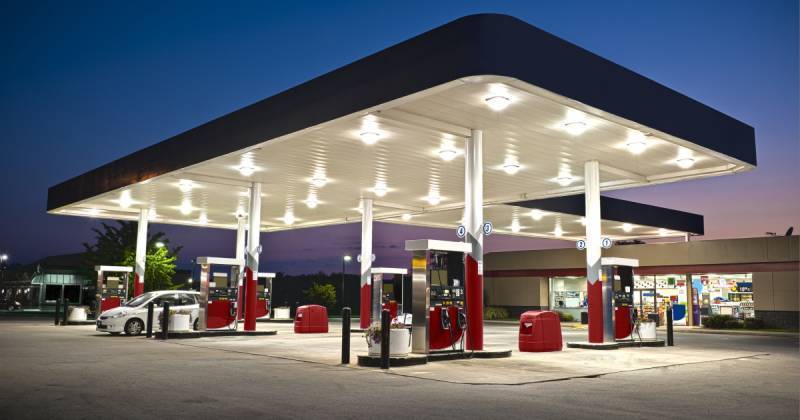
While the average Pakistani citizen watches the fuel needle drop with a sense of mounting dread, a different reality exists within the corridors of power. Government officials and Members of the Provincial Assembly (MPAs) continue to enjoy a luxury largely shielded from the economic climate: unlimited, state-funded petrol. This stark disparity is no longer merely a fiscal concern; it has evolved into a profound moral crisis. As the nation grapples with a crippling energy shortage, the unchecked "petrol perks" of the administrative class have become a stinging symbol of systemic inequality.
The roots of this crisis are both geopolitical and domestic. The recent closure of the Strait of Hormuz, a vital artery for global oil transit, has sent shockwaves through international energy markets. However, the impact on Pakistan’s fragile economy has been uniquely devastating. On March 6th, 2026, the country witnessed a historic and terrifying surge in prices. Petrol skyrocketed to an unprecedented Rs. 321.17 per litre, while diesel, the lifeblood of the transport and agricultural sectors, climbed to Rs. 335.86.
Recently, on the night of 2nd April, the public witnessed another shock wave in the prices of petrol and diesel. Petrol went higher to Rs. 458.40 per litre and diesel went up to Rs. 520.35 per litre. These figures represent the highest fuel prices in the history of Pakistan, effectively upending the financial stability of millions of households overnight.
These prices will directly impact our everyday life; all the necessities will become more expensive. The "digital divide" in the educational system, the economic weight of this surge has forced a retreat from physical classrooms to computer screens.
While shifting to online classes is touted by some institutions as a pragmatic, cost-saving measure, it is a solution that creates as many problems as it solves. For the affluent, a stable internet connection and high-end power backups are standard; for the majority of Pakistan’s students, "online learning" has become a synonym for "interrupted learning." The negative impacts of this shift heavily outweigh the benefits.
Beyond the technical hurdles and frequent power outages, we are witnessing a steady erosion of the social fabric of education. The campus is where critical thinking is honed through debate and face-to-face interaction.
When a citizen is told there is "not enough to go around" while watching a motorcade of government SUVs fuelled by the taxpayer, bypassing the petrol queue, the social contract begins to fray
By tethering students to their homes to save on fuel, we are not just saving litres of petrol; we are sacrificing the intellectual growth of our future workforce. Furthermore, the financial burden has simply shifted. Families now face exorbitant electricity bills to power home offices and digital classrooms, effectively moving the fuel tax from the petrol station to the utility meter.
The impact extends far beyond the commute. With diesel prices at record highs, the cost of transporting essential goods has surged, leading to "imported inflation" in every local market. The price of flour, sugar, and vegetables has climbed in tandem with fuel prices at the pump. In response, the transport landscape of major cities is undergoing a desperate transformation. Services like Indrive and Yango have been forced to hike fares, making ride-hailing a luxury many can no longer afford.
This has triggered a visible shift in behaviour: roads are now increasingly populated by electric bikes and cycles as citizens abandon petrol-powered vehicles in a bid for survival. While the move towards green energy is positive in the long term, the current transition is born of desperation rather than a planned environmental policy.
The sight of miles-long queues snaking outside petrol pumps in cities like Karachi, Lahore, and Islamabad is a visual indictment of administrative short-sightedness. A nation’s energy security is built on its strategic petroleum reserves, a buffer designed to shield the populace from exactly the kind of volatility caused by events like the Hormuz closure.
The public is rightly asking: Why was the national tank empty when the storm hit? While neighbouring nations bolstered their storage capacity during periods of lower global prices, Pakistan remained trapped in a cycle of "just-in-time" purchasing. This lack of a national safety net has left the economy vulnerable to every tremor in global geopolitics.
The frustration is compounded by the optics of the ruling class. When a citizen is told there is "not enough to go around" while watching a motorcade of government SUVs fuelled by the taxpayer, bypassing the petrol queue, the social contract begins to fray. The current fuel crisis is a litmus test for the government's commitment to its people. It is no longer sustainable to demand austerity from the public while the leadership remains insulated by "unlimited" perks.
To restore public trust, the government must act immediately to implement a strict fuel quota for all officials and redirect those savings into stabilising public transport. Furthermore, there must be a transparent inquiry into why national reserves were not maintained to prevent this level of market chaos. Real leadership is defined by shared sacrifice. If the nation must tighten its belt to survive this economic storm, the government must be the first to pull the notch, not the last. The time for "free petrol" is over; the time for accountability has arrived.