

The madness is dying out, but tiny sparks prevail. A little wind can reignite it, engulfing everything inside. What the past few days have seen is not just an eyeball-to-eyeball confrontation thrusting the subcontinent on the brink of a nuclear war but a course of events that have triggered the resurgence of conventional school of thought in strategy and warfare, albeit with modern technology and tactics.
In international relations, a school of thought was taking roots that warfare has transformed drastically from conventional to unconventional, where there exist hostilities without hostility. The weapons shifting to Cybertech, economic, information and the battleground more intangible. The recent events were a grave combination of all these and the conventional standoffs, bringing in missiles, fighter jets, drones and troops deployments, while blaring the sirens for oncoming nukes. All this and no international community to mediate.
The last decades have seen many military confrontations but mostly considered asymmetric warfare or 'interventions'. Azerbaijan-Armenia, Ukraine-Russia, Israel-Palestine but the underlining factor of these conflicts was their David and Goliath nature. It's been the oppressor against the oppressed, aggressor against the victims. It was not a fight between two equals; it was an attack on a weaker state. This time as well, the attack was from a bigger state against a smaller one. But the parallels end here.
Despite India's huge size, economy, and capabilities, Pakistan has ensured its reputation and posturing as its equal. This time as well, Pakistan's narrative wasn't of victimhood, even though the war was being imposed on it. Pakistan responded with full force, matching aggression with aggression. It's the same reason India cannot be considered a hegemon in South Asia because one state contests its regional dominance and supremacy. Nevertheless, this conflict wasn't an example of the asymmetric warfare prevailing over the past decades.
In international relations, a school of thought was taking roots that warfare has transformed drastically from conventional to unconventional, where there exist hostilities without hostility
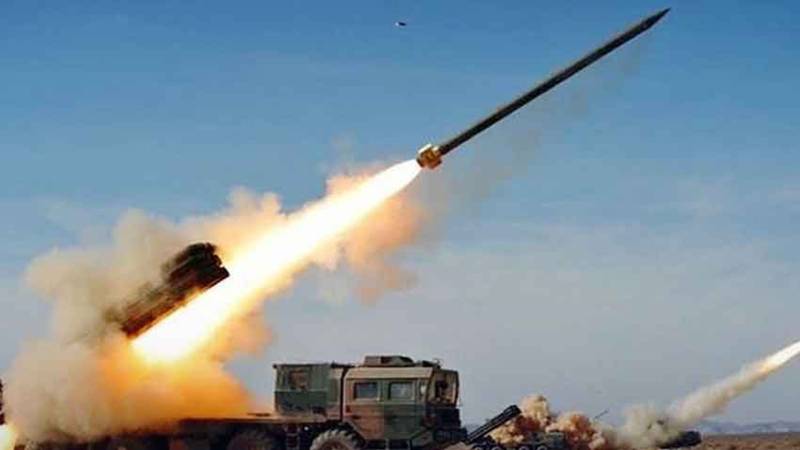
It was a standoff between two nuclear states, bringing in war hysteria and yes tactics of conventional warfare with strategies of unconventional warfare entangled. A hybrid warfare but with a heavy reliance on weapons and military tech. The use of drones, missiles, Rafales, S-400s, and JF-17 Thunders.
Earlier, no matter how intense the tensions, it was a taken-for-granted premise that they wouldn’t escalate into full-blown war, a belief rooted in the ‘un-conventionalist’ school of thought in IR that believed symmetrical warfare is becoming a relic of the past. Now states can engage in every form of conflict, create destruction, but all away from the real battlefield. The last few days have rendered this wishful thinking, all in a jiffy! While most of these discussions applied to great powers, it was expected of small states of India and Pakistan too, especially when both have nuclear capabilities.
In 2017, Lawrence Freedman argued in his book The Future of War, A History that war isn’t over, it’s evolved. For the developed world, war may have evolved, but for Indo-Pak, it has come back to square one, with exorbitantly greater risk to not just the region but to the whole world. And it seems that Freedman was right in claiming that predicting the future of war is a tricky endeavour. The international community agreed that the war is here to stay, but there was a subtext: in one form or another. But in South Asia, that subtext has the tendency to become irrelevant every once in a while. It can exist in all forms, together at once.
Another thing this confrontation revealed is the apathy of the international community. In the past, friendly’ countries, particularly the US, played a crucial role in enabling de-escalation. But this time, there was a whiplash response from ‘none of our business’ to ‘long night of talks’. Another pressing question in Pakistan is, now that the Indo-Pak tensions are subsiding, what will become of X (formerly Twitter) now?