

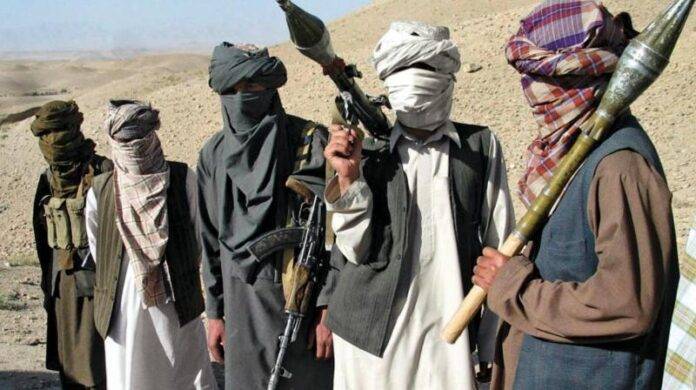
Terrorism is once again on the rise in the Khyber Pakhtunkhwa province of Pakistan, with alarming frequency. Reports of attacks targeting security personnel, particularly in the southern districts, dominate the news daily. These troubling developments compel one to question why this province remains a persistent victim of terrorism and what underlying factors are fueling the resurgence of militancy. This resurgence is especially concerning in light of the withdrawal of American and allied forces from neighboring Afghanistan, which many had hoped would lead to greater regional stability.
Several factors contribute to understanding the roots of this renewed wave of violence, including geopolitical dynamics, the influence of cross-border militant networks, and the socio-economic conditions in the affected regions. However, the focus of this article is exclusively on the socio-cultural factors driving militancy.
The Pashtun belt, spanning parts of Pakistan and Afghanistan, has long been a region associated with militancy and unrest. However, the roots of this phenomenon are complex and cannot be attributed solely to religious ideology. To truly understand why terrorism is on the rise in this region, it is essential to examine the broader context of Pashtun militancy, which often stems from socio-cultural and economic factors rather than purely ideological ones.
One of the critical drivers of militancy in the Pashtun belt is the lack of cultural and leisure activities. Youth in this region have few productive outlets for their energy, leaving them vulnerable to recruitment by militant organisations. The late Dr. Farooq Khan, a renowned religious scholar and head of Sabaoon—an organisation dedicated to de-radicalising potential suicide bombers in Swat, Khyber Pukhtunkhwa—highlighted this issue before his tragic assassination by militants. Dr. Khan noted that the majority of youth enrolled in suicide bombing training programs came from mainstream schools and colleges, not religious madrassas.
“These students had no access to cultural activities or leisure,” Dr. Khan explained. “This boredom and the lack of forums to express and exhaust their energies pushed them into the hands of militant organisations.”
The testimony of a potential suicide bomber interviewed in Lakki Marwat years ago underscores this sentiment. When I asked why he joined a militant group, he candidly replied, “I joined because the group keeps me busy, and there is the opportunity for gup shup (chit-chat) and hanging out with other boys.” This stark admission reflects the socio-cultural vacuum that drives young men to seek companionship and purpose in destructive ways.
While many assume madrassas to be the primary breeding grounds for militancy, research shows that mainstream educational institutions in the region often fail to engage students meaningfully or prepare them for productive careers
Historically, the Pashtun belt had vibrant cultural traditions that provided a sense of community and belonging. The Hujra, a traditional gathering place for social and cultural activities, played a crucial role in fostering a sense of identity and camaraderie among the youth. Similarly, local musical and theatre groups offered creative outlets. However, these cultural anchors have largely disappeared due to prolonged conflict, economic instability, and a growing conservatism that discourages such activities.
Professor Shakirullah Khan, an assistant professor at Malakand University, emphasises the importance of these cultural spaces. “The Hujra was not just a social space; it was a cultural institution that taught values, dialogue, and respect for diversity. Its decline has left a void that militant organisations have exploited,” he says.
Another contributing factor is the lack of quality education and employment opportunities. While many assume madrassas to be the primary breeding grounds for militancy, research shows that mainstream educational institutions in the region often fail to engage students meaningfully or prepare them for productive careers. This lack of engagement, coupled with high unemployment rates, leaves many young people disillusioned and susceptible to extremist ideologies.
“Education in the Pashtun belt often focuses on rote learning rather than critical thinking or skills development,” notes Professor Shakirullah. “Without opportunities to channel their potential constructively, the youth become easy targets for recruitment.”
To counter the rise of terrorism in the Pashtun belt, it is imperative to address these underlying socio-cultural and economic issues. Reviving cultural traditions, such as the Hujra system and local art forms, can provide young people with a sense of identity and purpose. Investing in education that emphasises critical thinking, creativity, and skill development is equally crucial. Moreover, creating employment opportunities and safe spaces for leisure can help steer the youth away from the path of militancy.
Dr. Farooq Khan’s work at Sabaoon demonstrated the power of holistic approaches to de-radicalisation. His findings serve as a reminder that combating terrorism requires more than military action—it demands a comprehensive strategy that addresses the root causes of disillusionment and despair.
As Professor Shakirullah aptly puts it, “The Pashtun youth are not inherently drawn to violence; they are seeking purpose and belonging. It is our collective responsibility to provide them with the means to achieve these aspirations in constructive ways.”
The rise of terrorism in the Pashtun belt is a multifaceted issue rooted in a combination of historical, socio-cultural, and economic factors. By addressing the cultural and educational deficits in the region, and by reviving traditional spaces for dialogue and creativity, it is possible to steer the youth away from militancy and towards a more peaceful and prosperous future.