

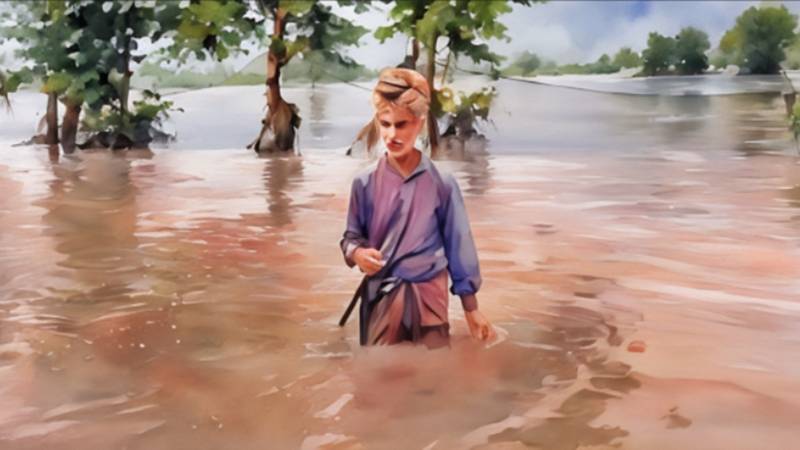
A reader’s attention to this article confirms their sympathy for people who suffer in floods, droughts, heavy rains, fires, and rail or road accidents. It is a sad reality that governments’ poor planning and a lack of priority for human life often lead to these emergencies. In all such situations, relief workers, rescue teams, nurses, doctors, firefighters and field journalists are the first to witness the raw pain of a mother whose child has drowned, the trauma of people in a sudden evacuation, a father’s grief over the death of a loved one, a person’s helplessness as their home burns, the collapse of a house in a flood, and the final moments of a wounded person in a caregiver’s hands.
Relief organisations typically have three categories of human resources: field staff, administration and finance officers, and top management. However, in times of disaster, it is the field staff who are deployed and are the first to arrive on the scene. Their connection to the people they serve is strikingly different from that of the office-based managers and executives. The emotional bond between field staff and the village communities they work with is a genuine one; the community’s relationship with the field staff is solid and dependable. Therefore, in a disaster, people expect immediate help from the field staff, who are, in turn, dependent on approvals from their head offices. This disconnect often places an immense emotional burden on frontline workers.
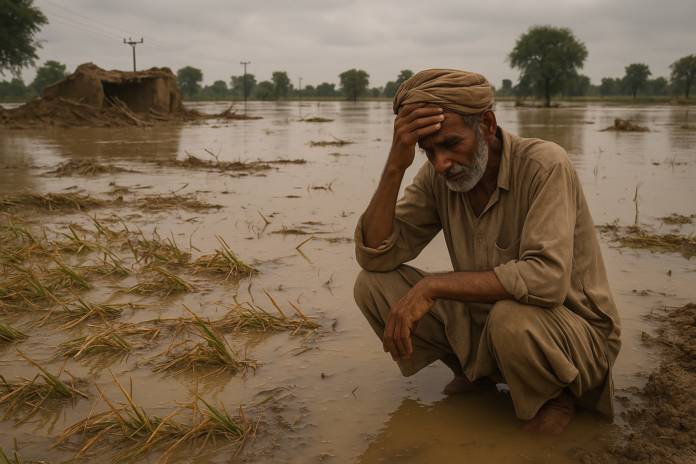
In most cases, bureaucracy, inefficiency, and carelessness from top management cause crucial supplies—boats, food, medicine, and tents—to arrive too late. They ignore requests from field staff and use delaying tactics, which forces frontline workers to lie to the community. This dire situation leaves field staff feeling a mix of sadness, sorrow, anger, helplessness, compassion, anxiety, despair, and depression, while others become indifferent or discouraged. In all phases of disaster, emergency, relief, and rehabilitation, field staff carry the burden of witnessing human suffering and remain guilty for not helping them in time. But their organisations often fail to recognise this immense mental stress and continue to place them under pressure, with the clear understanding that there will be no immediate support. This means that people’s expectations of quick aid should not be raised in the first place.
The visuals appeal, but often distract us from ground realities. They focus on the spectacle of suffering rather than the structural failures that allowed it to happen
I have seen many situations where field staff members are compelled to perform acts that leave them emotionally shattered. My field diaries record numerous such instances, but a few stand out: the photo sessions for donor or head office-sponsored photographers. These photographers arrive too late (in most cases, they arrive at the time of relief and rehabilitation). These photographers have missed the traumatic scenes of the initial disaster. Therefore, they demand specific setups or the re-enactment of some action from the survivors. They insist that field staff members ask disaster survivors to re-enact the scene of how he/she saw the flood coming or a fire spark, how his/her family members died, and how some of them survived. Sometimes, due to too much or poor light or some other technical reasons, photographers often ask survivors to repeat a scene, and sometimes this happens multiple times. This can make the field worker feel that the entire situation is artificial and inhumane, causing them to gradually detach from the scene.
They are in a difficult position, as they don't want to participate in the repeated dramatisation of someone’s suffering. At the same time, they worry that their detachment will be reported to donors or the head office. Field workers expect the photographers who document people’s suffering to have the same emotional commitment they do, rather than approaching the work with a detached professionalism or simply trying to get the perfect shot. The donors, top management, and photographers never realise that these first-hand experiences couldn't be re-enacted with the same spirit or mental frame. The survivals response was exceptional, and it gone just after disasters’ situation changed.
Another regular usage of these photos is in organisations’ annual and donor reports. These reports often fail to truly register the suffering. While they contain neutral words, non-action verbs, passive voices, and no subjects at all, their graphs, charts, and pictures are designed to show loss and damage. But, none of the paragraphs capture the ground reality: how a woman and her buffalo were carried away in a flood; how a sister tied her infant brother to her bosom and jumped from a building with her eyes closed; how tied bulls and cows in a yard perished in the gradually rising water; how a young man died on the operating table; how a young girl, in shock, was no longer able to speak; or how a young health worker suffered mental agony when a beautiful girl died in her hands.
Sadly, these reports are printed on glossy paper but say nothing about the historical processes in which people’s sufferings are rooted. Instead, these reports focus on the isolated reality—the destruction of a village or a human loss. Such documentation detaches the event from its deeper socio-political causes. The result is a narrative that presents suffering as a series of disconnected accidents rather than the predictable outcome of systemic failures or a lack of political will. These reports are beautifully packaged, yet they offer no real insight into the cycle of vulnerability that leaves communities perpetually exposed to disaster. At another turn of mind, allow me to state that all these reports carry photos with a mention of the date, description, and place. But these images fail to show people’s hunger, their wounds, and the pain of their sinking homes. Therefore, the reports and even photos give a new meaning to the whole scene. It appears to be a good write-up with artistic photographs, but it contains a neutrality that fails to highlight people’s suffering and the insults they have endured.
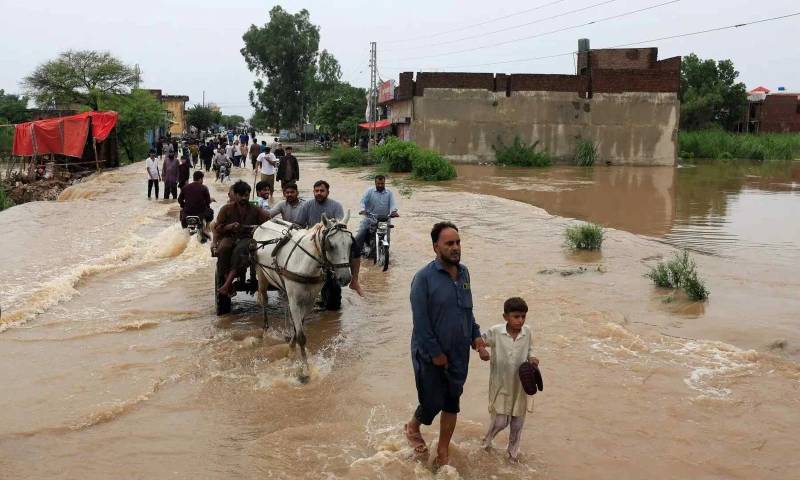
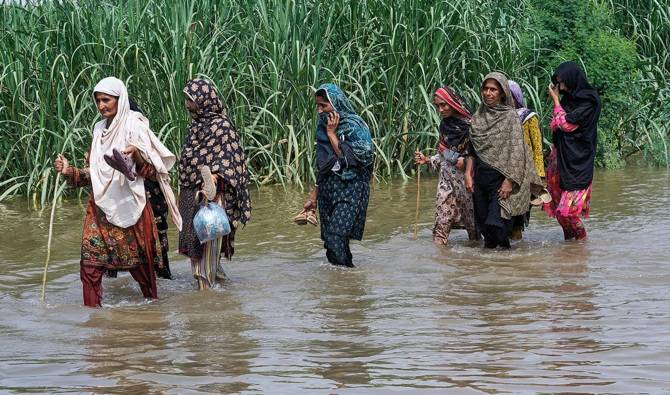
Long ago, while I was a staff member of an emergency organisation, I remember that a special drive in a flood emergency was launched to take photos of people’s suffering: submerged houses, women on roads with their belongings, and crying children. The senior staff argued that the display of these photos would secure funds. My old notebook records my questions from that time: Could a well-off European person, through an image, fully grasp the loss of a crying mother who lost her child in a flood? Do these pictures even convey the true horrors of human loss? Do these images emotionally move expected individual donors? We took photos of the devastated areas, but none of the photos were able to fetch some dollars or euros. Perhaps, we failed to realise that a photograph, however powerful, is a flat image of a complex reality; an onlooker couldn’t fully understand the reality or context of the photo. It depicts grief but can’t fully capture what a person has suffered. It rarely points to those responsible for the destruction.
The glossy reports may sanitise the truth, but the reality of the crisis is impossible to forget. The panaflexes, wall posters, and long photos from this current flood remind me of the past—a bitter cycle where the tools of attraction may raise some money but always at the cost of human dignity. These glossy images fail to hold anyone accountable for the systemic damage. The visuals appeal, but often distract us from ground realities. They focus on the spectacle of suffering rather than the structural failures that allowed it to happen. Unless we shift our focus from passively observing the floods (or other disasters) to actively demanding accountability from those in power, these images will remain nothing more than monuments to a repeated tragedy. The true measure of our competence will not be in the donations we receive, but in the reforms we demand, ensuring that this cycle of predictable devastation finally comes to an end.
And so, the burden of the witness remains—a quiet, ongoing struggle to ensure that human stories are never lost to the demands of greedy, incompetent, and attention-seeking leaders of political parties and NGOs.