

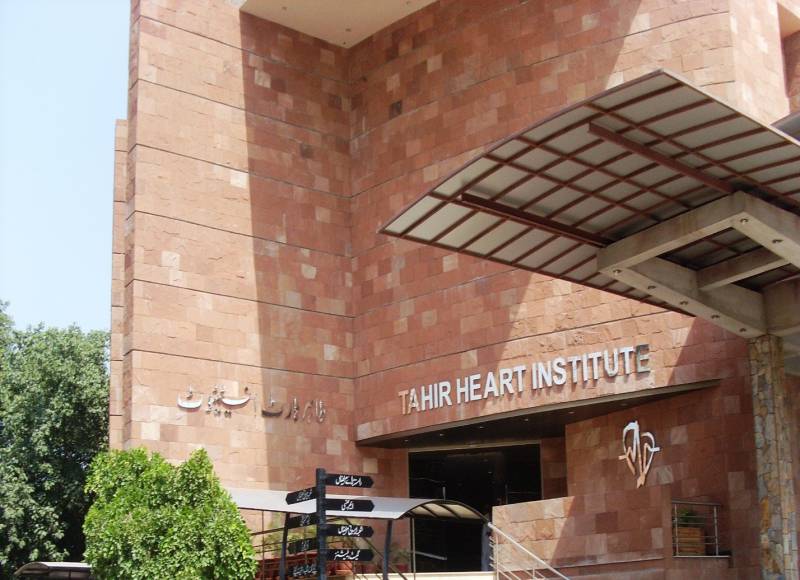
While it may seem like these stories are unrelated, but all of them have one important bottom line. Tahir Heart Institute (THI) helped pave the way for their patients to triumph over adversity.
Putting “patients first” is at the core goal of THI, and at the forefront of the doctrine, the hospital’s guiding mission statement.
To highlight how deeply committed THI is to all patients, we’re sharing a few exceptional and inspirational stories.
Rebuilding after a massive shoulder and head injury.
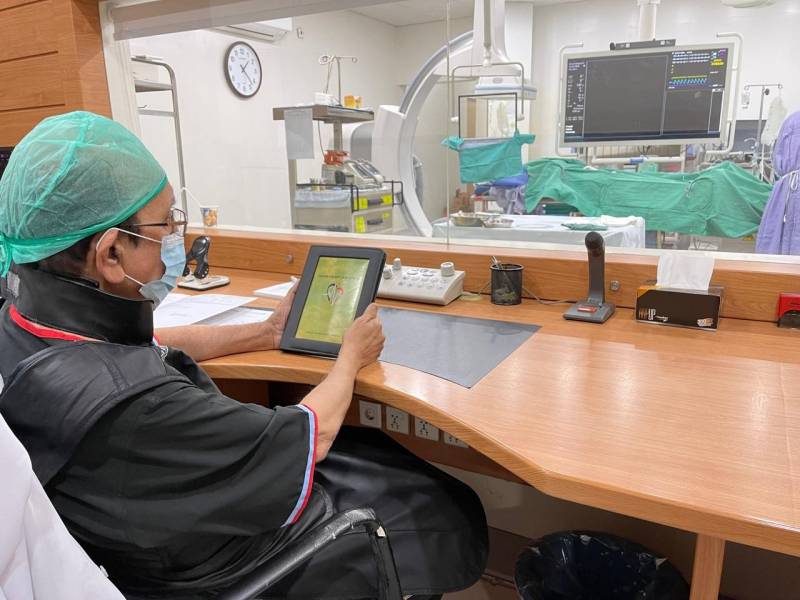
It was one of those busy OPD days when ‘Dr. IRUN’ walked out of his consulting room into the waiting area.
It was getting late and Dr. IRUN speedily walked through the winding line of empty chairs. The floor was polished and slippery. A supporting pillar was close by. Whilst winding through the OPD, IRUN’s foot slipped and he fell down on the slippery floor with an immense impact on his right shoulder striking his head against the pillar. It came completely out of the blue. All of a sudden his right arm, shoulder, and head became senseless …. “Boom. I fell down on my face and shoulder”, he recalls. “Couldn’t move my body”.
The medics reported that he’d had severe arm & shoulder injuries. This was compounded by a head injury. Both injuries were severe and life-threatening. “He was 75, in reasonably good health in spite of some past illnesses, had never smoked and ate a healthy diet”, his daughter says.
At the hospital, the team of doctors learned that Dr IRUN had multiple fractures of his arm bone, dislocated right shoulder, and a large gaping wound over the right eyebrow bleeding profusely. The skull bone lay bare.
While in the hospital, Dr IRUN was fearful. “I was thinking about my ailing wife”, he says, “Would she remember me if I died?”
But those fears were unfounded. Dr IRUN’s doctors fixed the fractures and dislocation. The gaping forehead wound was taken care of, and he was able to return to work within few days. Today IRUN still experiences shoulder pain and minor short term vertigo issues, but otherwise his improvement has been substantial. He now works full-time for 12-14 hours a day treating his patients and performing life-saving interventional cardiac procedures.
And Dr IRUN’s initial apprehension about suffering a health crisis turned into gratitude. “I am extremely lucky,” he says. “I’ve gotten better – not quite the way I was before the fall – but very close. I now have an immediate connection with anyone who has had a disability and wants to give them hope that recovery is possible. I’m deeply indebted to God and all those who sent me messages of hope and recovery.
A story of faith and hope
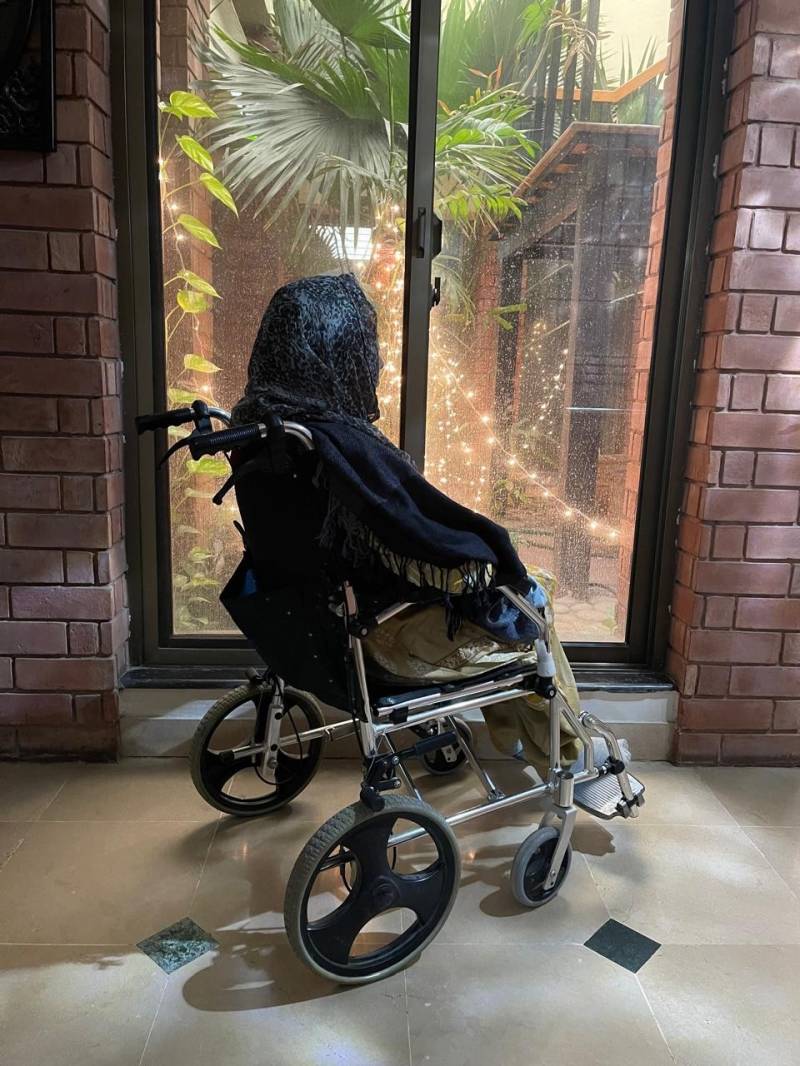
“After several misdiagnoses I was finally diagnosed with PSP (Progressive Supranuclear Palsy)” says Rewassum.
It started with a wobbly gait and lingering stiffness, unable to move forward. Fear crept into every part of her life. However, she said to herself, “I’m not afraid of dying – I’m afraid of living with PSP”. The consultant she saw was a blunt British-trained doctor and he told her, “It’s PSP, your best hope is to take the medications prescribed for you, and you might get 2 or 3 years”.
“I will never accept there is nothing I can do about PSP facing me. I decided there and then that you’re not God and I’d prove you wrong.” Rewassum said.
Yet this thought anchored her pushing her to fight for the life she still wanted.
With prayers and a firm faith, she remained determined not to let PSP win. She poured her passion into meaningful projects like helping the destitute, tending her garden, and partying with her grandchildren.
The unwavering love and support of her spouse and daughter reminded her that she was more than her diagnosis. Gratitude became her armor, empowering her to move forward, living with PSP had taught her resilience, purpose, and the understanding that life beyond a diagnosis is still full of endless possibilities.
Five years passed, and numerous challenges were encountered along with her illness. She had numerous falls and fractured her arm, hip joint, and elbow. A head injury resulted in a head wound requiring 12 stitches, and innumerable choking spells occurred while eating. Walking and speaking became impossible. Even her cognitive faculties were fading.
The latest episode of high-grade fever (104°F - 106°F) resulted in unconsciousness. She was unable to move, speak, swallow, or breathe. Oxygen inhalations, intravenous alimentation, and fluids were instituted. PEG tube feeding was continued. After five days of hospitalisation, she bounced back and returned home. Her loving husband welcomed her home with string lights adorned all around. It was a great homecoming. Her room was converted into a small hospice with an electronic bed, air mattress, supplemental oxygen inhalation intravenous alimentation if needed. For nursing care 3 trained maids worked round the clock like busy bees.
“Princess of Gambia” at Tahir Heart Institute (THI)
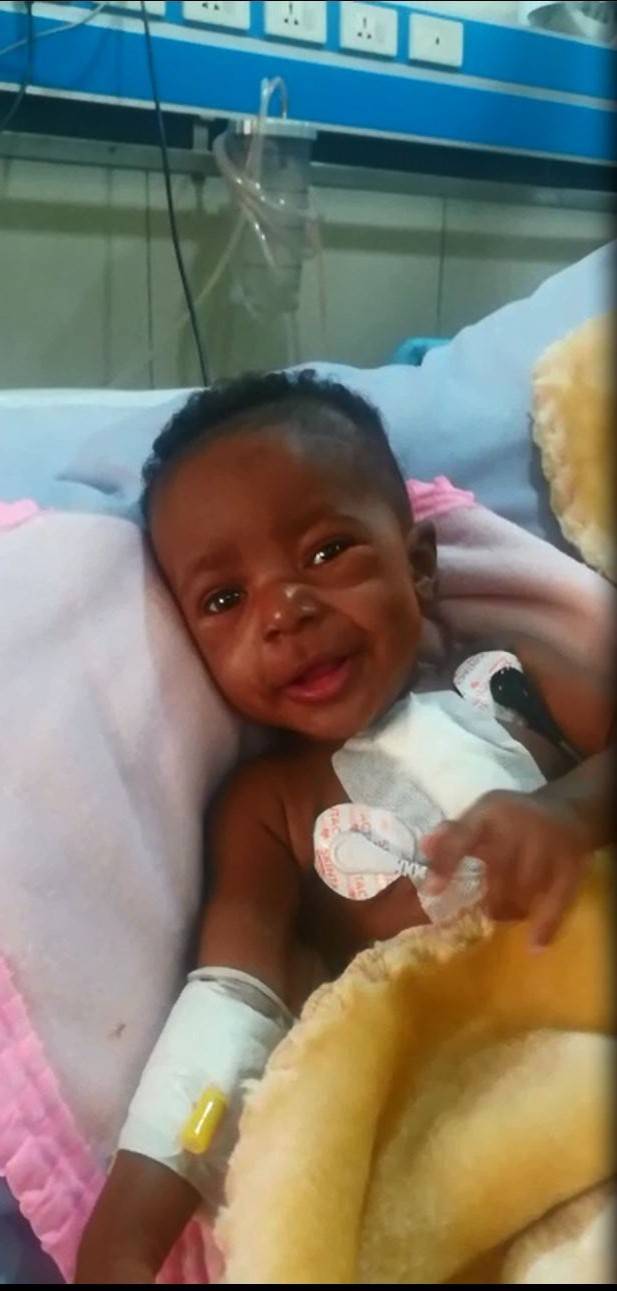
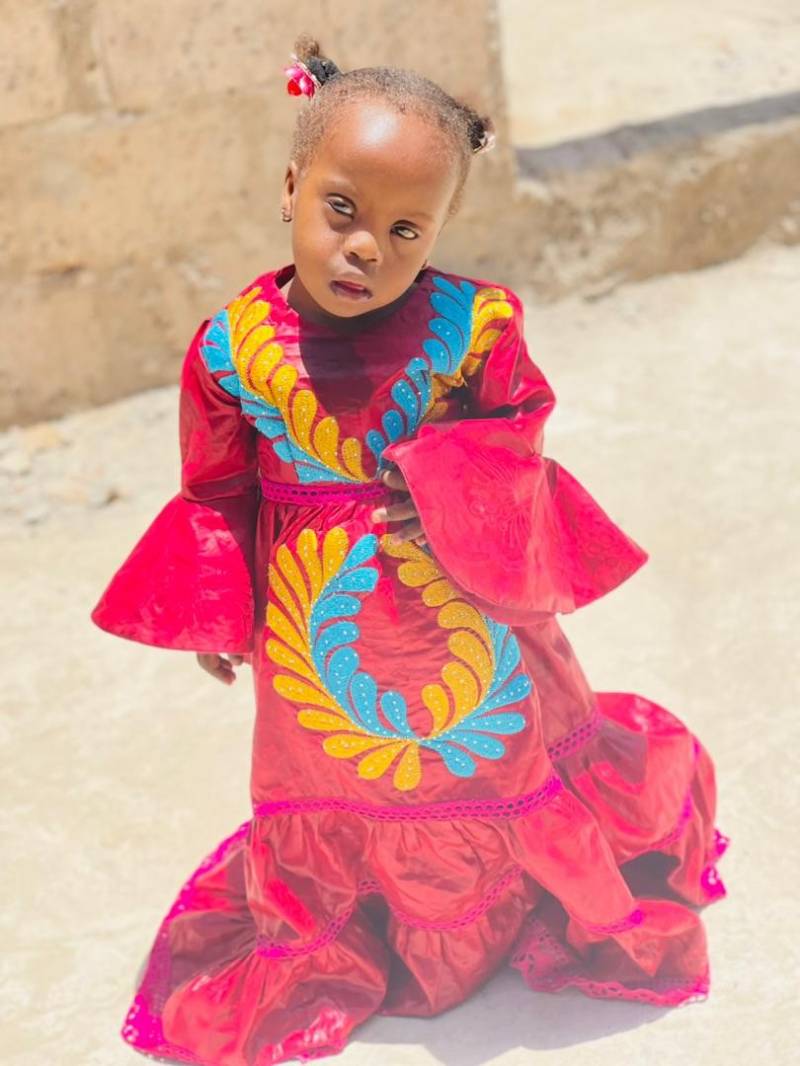
Amongst innumerable blessings of Allah the Almighty, one such blessing was the treatment of Princess Aisha Jawara (a poor infant I named Princess of Gambia) at THI, Rabwah. This six-month infant was born with a complex congenital heart defect requiring immediate corrective surgery.
Helping to change the trajectory of health of ailing humanity is an uphill goal - and it’s one Tahir Heart Institute is deeply devoted to
Request for medical visas were sent and in the shortest possible time the baby with her mother Kaddy Jawara and Aunt Jwa Jawara arrived in THI.
The Baby Aisha now named “Princess Aisha” was admitted the same day. All relevant investigations were completed, blood was arranged, and the surgical and anesthetist consultations were completed on a priority basis. Open-heart surgery was planned for the following day. With prayers open heart surgery was undertaken successfully. It took three hours as the surgical team from the USA performed the heroic feat on a 2 kg baby. The “Princess” was weaned off ventilatory support in the next few hours.
At this stage there was excitement, happiness and joy in the Intensive Care Unit of THI. I was not only relieved but my heart throbbed with joy. Allah be praised.
As I stood by the bedside of our “Princess”, hooked up to intravenous lines, monitors, ECG electrodes, oxygen, etc; I thanked Allah for His immense grace and blessings. In front of me was this small baby, from one of the smallest West African Countries, who traveled thousands of miles to get expert treatment free of cost. Allah made it all possible. At THI medical treatment is offered with no distinction between rich and poor.
The Princess Aisha continued to improve and gain strength. Letters of prayers kept pouring in;
Her father Mr. Jawara wrote:
Alhamdolillah, Alhamdolillah, Alhamdolillah. One millions thanks to Professor Muhammad Nuri and the operational team and the entire staff at Tahir Heart Institute. Dr, your name will never be erased from my memory and “inshallah” I will continue to pray for Allah’s mercy on all of us. Once again big thankyou to you and the entire staff. Have a nice day. Asslam o Alaikum.”
He further wrote;
“Once again thankyou so much. I’m indeed so happy about the accommodation, the hospitality and the fine conducive environment that you have created for my people. Thankyou very much.”
Now she is living her royal life among her friends and family in Gambia.
An Afghan boy at Tahir Heart Institute (THI)
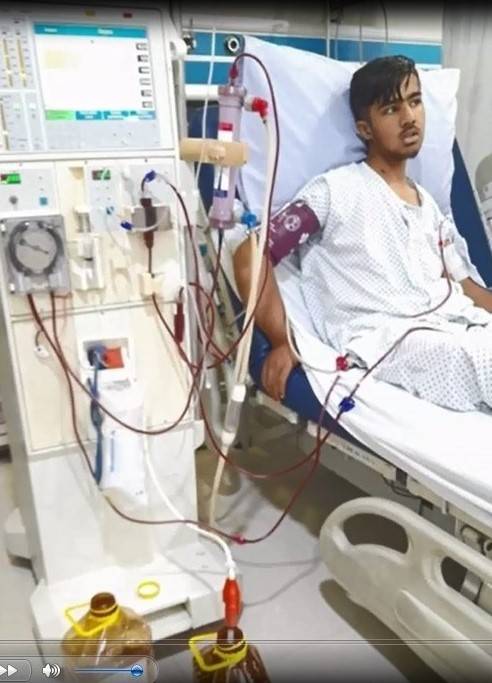
This story is about a 17–year–old Afghan boy. He was diagnosed with end-stage kidney disease. With limited medical facilities in Kabul, Afghanistan, the boy couldn’t afford a life-saving hemodialysis procedure.
We embarked on an impossible venture. Visa formalities were difficult. At government level, the two countries viewed each other with suspicion.
Having resolved the issue amicably the patient and his father took the air journey to Pakistan. The moribund patient was immediately started on a thrice weekly dialysis sessions. This helped the boy. However, because of delayed treatment, some serious complications had occurred. These were aggressively managed at THI.
The next challenge was finding a suitable donor, and that too for an Afghan national. This seemed next to impossible. With firm faith in Allah, we continued the hunt for a suitable donor. Fortunately, we found one in the father, Alhamdulillah. A suitable kidney transplant center was selected in Lahore and all formalities of the Human Organ Transplant Authority (HOTA) were met.
Finally, D-day arrived, and the Afghan boy underwent a kidney transplant after a long wait of 4 months. When we visited him in the Intensive Care Unit, he greeted us with a broad smile. His father still recuperating after surgery immediately sat up. With tears in his eyes, he hugged us and loudly expressed his feelings in Pushto.
Both father and son returned to THI for rehabilitation for another month.
On bidding us farewell, fully recovered, both father and son wept bitterly as we thanked Allah for His infinite blessings at every step.
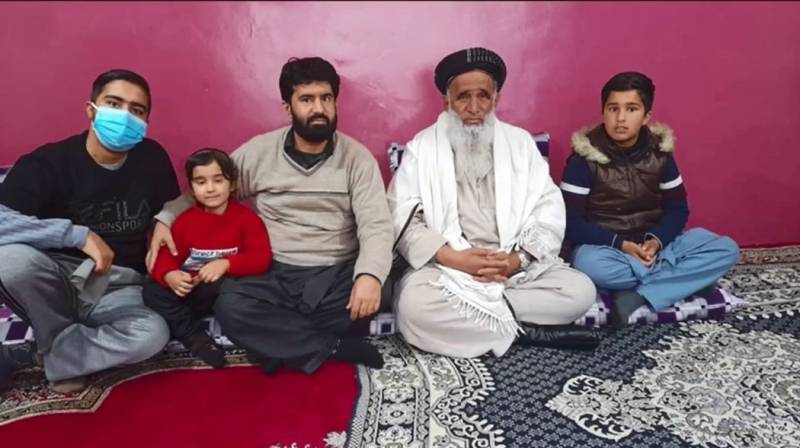
The family reunion in Kabul was even more emotional. The Afghan tribesmen, men, women, and children had gathered to welcome and celebrate their son of the soil.
Mending the broken heart of a Thai Girl.
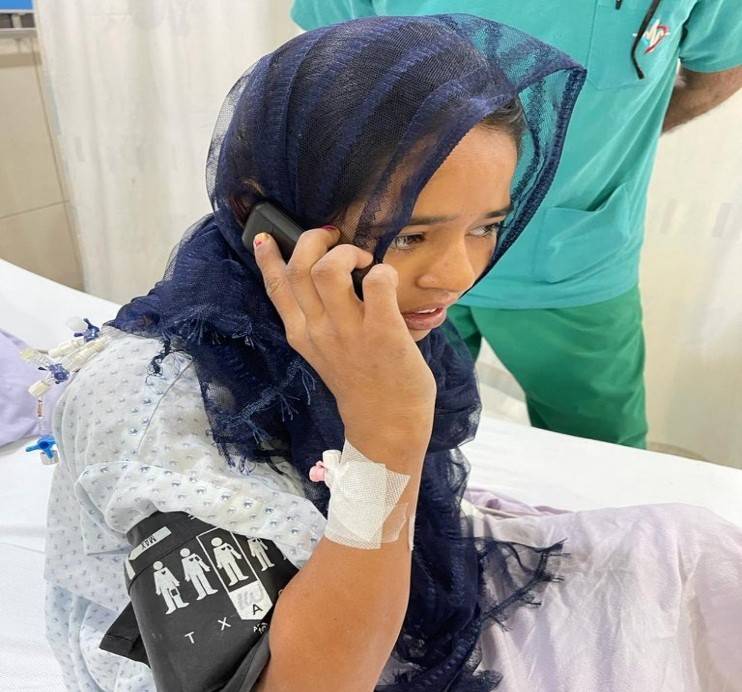
This story is the story of a Hindu girl – Pooja, from a place where penniless, downtrodden and vulnerable live, Tharparkar in Sindh, Pakistan is known as the “dead valley”.
Folklore has it that Tharparkar once had a mighty river Sarswati flowing through it. But now it has disappeared. The terrain is called “the land of the people whose river has gone missing”. It is an oasis of peace and harmony between Muslims and Hindus. Many artists, poets, and writers have been drawn to Thar, including the wandering poet-philosopher Shah Abdul Latif Bhitai, who was inspired by the sheer beauty and culture of the desert and its inhabitants.
Yet reality in Thar is a far cry from legends and poems it has inspired; its people face crushing poverty, live in a cone shaped huts, drink brackish water and struggle to survive on wild plants and herbs.
The workload on young girls like Pooja is immense. There is no rest for them. They get up at 4 am, do household chores, look after their siblings, prepare food, fetch water, work in the fields among other things.
A woman said: “Fetching water from long distances is not without its risks and we always go in groups to avoid security hazard and harassment.”
Amidst all this chaos, a young Hindu girl, Pooja, was suffering from debilitating rheumatic heart disease. Two of her heart valves were badly diseased necessitating valve replacement. This was the only hope for her survival.
The moribund young Pooja now reduced to skin and bones, was shifted to THI. After initial stabilisation, she underwent open heart surgery with double valve replacement. This was a herculean task for the surgical team with several medical challenges. The recovery was protracted but Allah helped and she was on her feet again. After a month’s stay in the hospital, she made a full recovery and joined her family in Tharparkar.
In Tahir Heart Institute hundreds and thousands of patients come from all parts of the country and even abroad. I firmly believe, that helping to change the trajectory of health of ailing humanity is an uphill goal - and it’s one Tahir Heart Institute is deeply devoted to.