

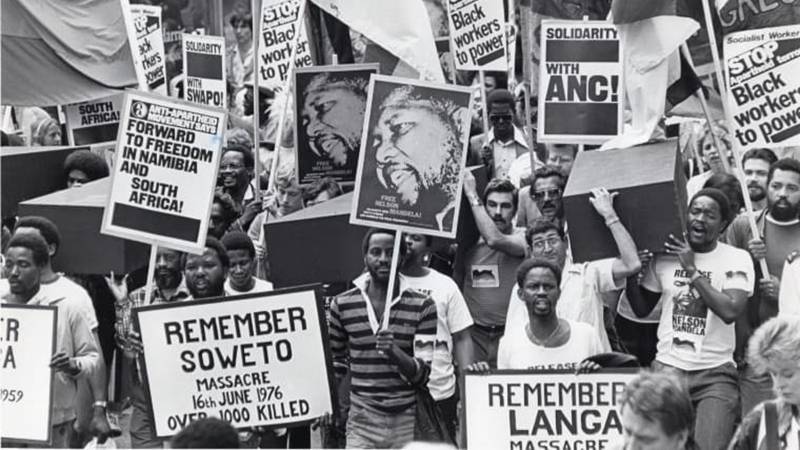
Last week, Dr David Cheesman, author of Landlord Power and Rural Indebtedness in Colonial Sind, 1865-1901, sent me the Kindle edition of his other book, National Resources: Letters from Algeria 1973–74. The book contains letters written to his mother about his life in Constantine, Algeria. It vividly describes daily life in the cliff-top city, the university, bureaucratic delays, and trips to the Sahara oilfields. It also mentions Roman ruins. Critically, the letters reflect on the Arab oil embargo of 1973, a turning point in world history.
Reading this book reminded me of my students from the 1980s. I, along with Rafiq Mangi, used to visit Syed Zafar Hasan Shah at the Department of Geography at the University of Sindh or at his residence in the University of Sindh’s colony. We gathered informally, with no fixed agenda. Our topics ranged from Sindhi Adabi Sangat, student politics, martial laws and regional issues, to international literature. We often discussed books by African writers or about African politics. If anyone asked, Zafar Shah was always ready to share photocopies of such books. During these meetings, he also read from his diary and encouraged us to keep our own diaries, to record impressions, readings, and observations.
Dr Cheesman’s book made me revisit my old diaries. I was surprised to see how much African literature featured in our discussions in the 1980s. But before I discuss those books, let me pause to thank my wife, Rozina Junejo, who had carefully kept all my notebooks. As I looked at them, I noticed many copied sentences and lists of difficult words or new titles under the heading “to be explored.” I borrowed these books from Professor Zafar Hasan Shah, Professor Aijaz Ahmed Qureshi (then associated with the Sindh Development Studies Centre, University of Sindh), and my friend Ghulam Qadir Mallah. My notes show that I did not read the books according to their year of publication. Instead, I read them when I was able to get them. Therefore, I have presented them in the same order as I originally read them.
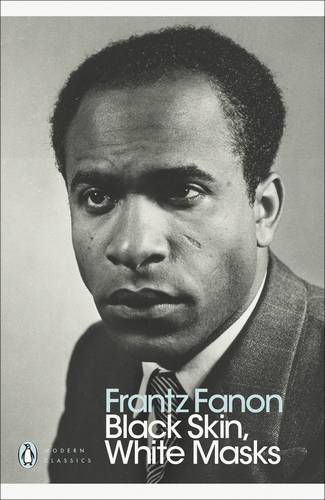
I found several important books in my old diaries. First, Frantz Fanon’s Black Skin, White Masks (1952). Fanon, a Martinican doctor and thinker, wrote this book at the age of 26. It exposes the pain of being black in a white-dominated world. Fanon describes how colonialism damages the mind. His words reveal the deep alienation caused by racism. He shows how Black people see themselves through the white gaze, craving recognition from those who despise them. His famous chapter, “The Lived Experience of the Black Man,” recounts a moment on a French train. A white child’s cry of “Look, a Negro!” shatters Fanon’s identity. It reveals how every gesture and desire is filtered through white perceptions. Fanon argues that colonialism forces Black people to wear a white mask. The only way out is through painful ‘disalienation’—a process of breaking free from colonial mental chains. His book remains powerful today. It challenges all readers to question their assumptions and see the world clearly.
Next, I read Fanon’s The Wretched of the Earth (1961). Sartre wrote its preface. This book is a fierce call for liberation through violence. Fanon, a psychiatrist and revolutionary, describes colonial violence in detail. He divides the colonial world into settler towns and native areas. Colonialism, he says, is built on dehumanising the colonised. Only armed struggle can undo it. Fanon insists that decolonisation is always violent. He writes about the psychic scars on both coloniser and colonised. The final chapter warns that new rulers will often betray independence. Fanon predicts corruption, elite rule, and rural neglect. Despite criticisms, the book remains a vital guide for liberation movements. It forces readers to confront the brutal reality of colonialism and its aftermath. Fanon’s words still echo with urgency and truth.
Now I ask myself: do these African stories and experiences still matter today? I am not sure what others think. But I believe they do
Another book in my notes is Kwame Nkrumah’s Handbook of Revolutionary Warfare: A Guide to the Armed Phase of the African Revolution (1968). This manual was written in exile. Nkrumah believed Africa’s freedom depended on armed struggle. He laid out a detailed plan for guerrilla war across the continent. The book calls for a united African army and a single revolutionary command. Nkrumah divided Africa into three zones and identified the enemies—Western powers and neo-colonial regimes. He argued that socialism must be achieved by force, not voted in. His tone was firm and practical. He detailed logistics, intelligence, and ideological training for fighters. Although many revolutions followed national paths, the book remains a blueprint for radical change. It is a reminder that true independence often requires fighting for it.

I also found stories of individual struggle, like Johannes Mathabane’s Kaffir Boy: the True Story of a Black Youth's Coming of Age in Apartheid South Africa. Johannes was born in 1960 in Alexandra township near Johannesburg. His childhood was marked by hunger and violence. His family faced police raids and poverty. His mother taught him to read secretly, believing knowledge could free him. Johannes learned tennis from discarded equipment and practiced tirelessly. White players and coaches supported him, despite apartheid laws. Eventually, he became South Africa’s top Black tennis player. His dream was to study abroad. When he finally left South Africa, he vowed to tell the world what apartheid did to Black children. His story is one of hope and resilience amid cruelty.
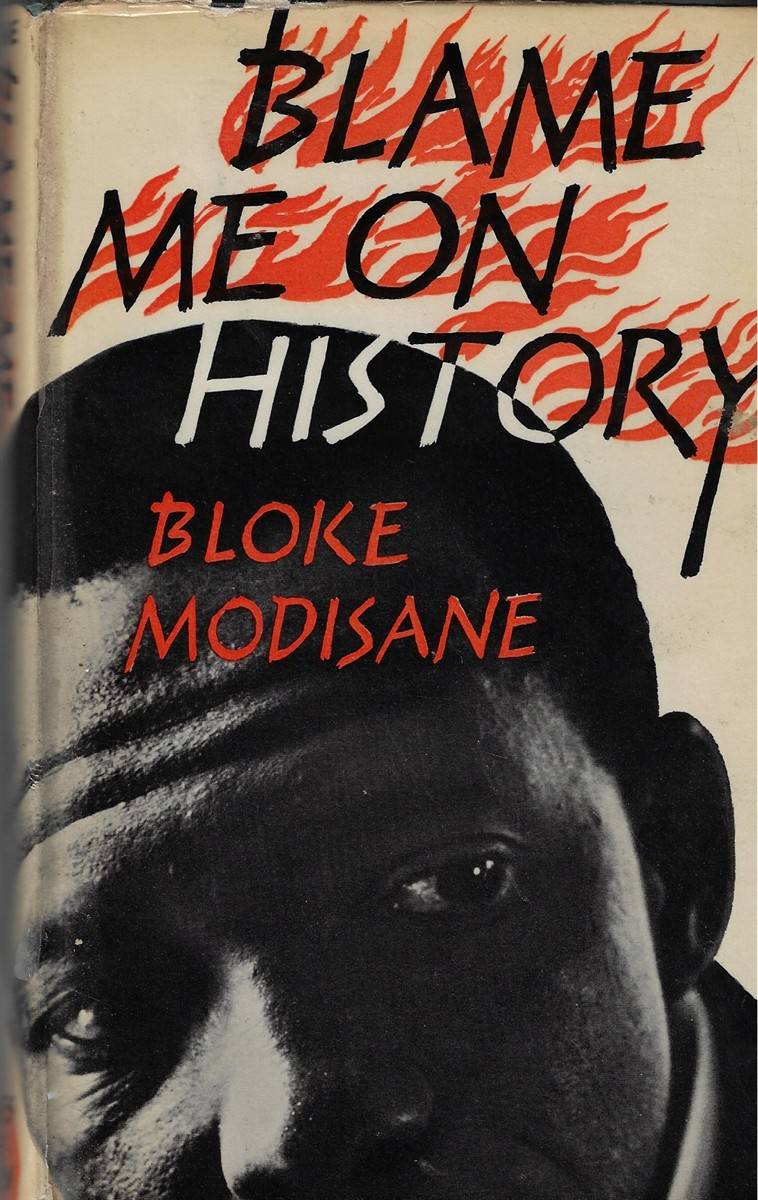
Another powerful story is William ‘Bloke’ Modisane’s Blame Me on History. Born in Sophiatown, Johannesburg, in 1923, Bloke loved jazz, poetry, and acting. His father was murdered, and his family faced constant police harassment. As a young man, he wrote for Drum magazine and acted in Black theatre. When apartheid laws forced him to leave South Africa in 1959, he moved to London. His exile was painful. His book screams his anger and despair. He blames history, the system, and himself. His words remind us that apartheid destroyed more than buildings—it shattered spirits.
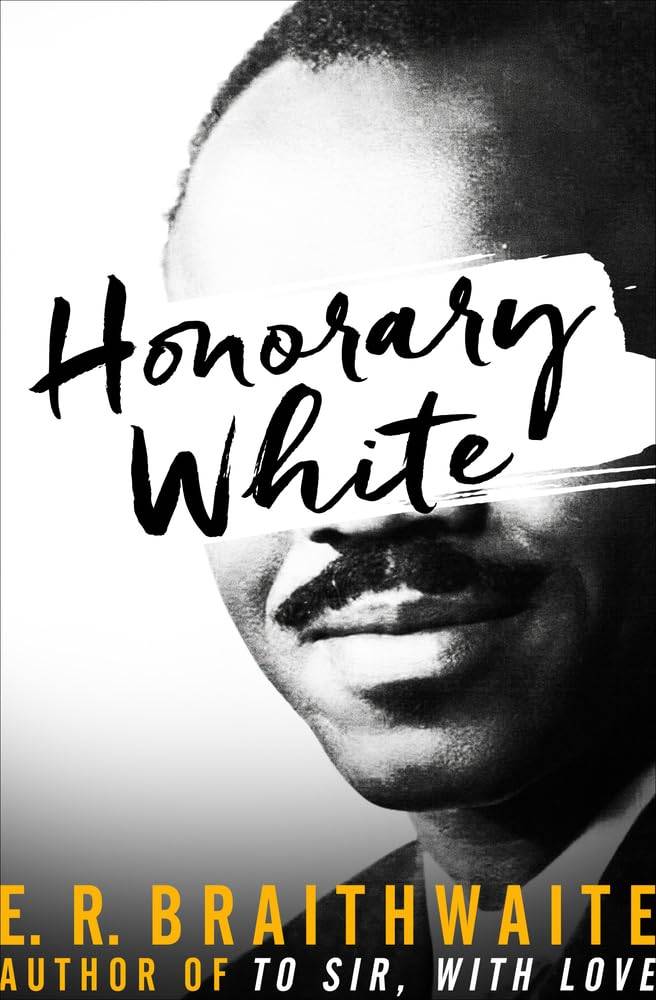
I also found some entries about Honorary White. The book is based on Edward Braithwaite’s impressions. In 1973, Edward Braithwaite visited South Africa. The regime gave him a special “Honorary White” visa. This meant he could enjoy privileges denied to most Black South Africans. He stayed in luxury hotels, ate in white-only restaurants, and used white-only facilities. Yet, he saw the suffering behind the mask. He visited Soweto and saw children learning under trees, families overcrowded, and prisoners beaten. His book, Honorary White, describes these contradictions. It exposes the absurdity of a system that treats one Black man as “honorary” while oppressing millions. His words are a quiet but sharp protest against apartheid’s injustice.
One of my diaries of 1984 shows a few paragraphs about Todd Matshikiza’s book Chocolates for My Wife (1961). It is masterpiece of love, laughter, and quiet fury, and it may be the most devastating anti-apartheid book ever written in just 120 pages. In 1959 the apartheid government handed the gifted pianist and King Kong composer a golden ticket and a death sentence in one: a one-way exit permit to London. Accept, and he could never return while the National Party ruled. Before he left, Todd promised his wife Esmé one absurd, perfect gift: a box of luxury Swiss chocolates. In those days such a gift was not allowed to be bought by Black South Africans.
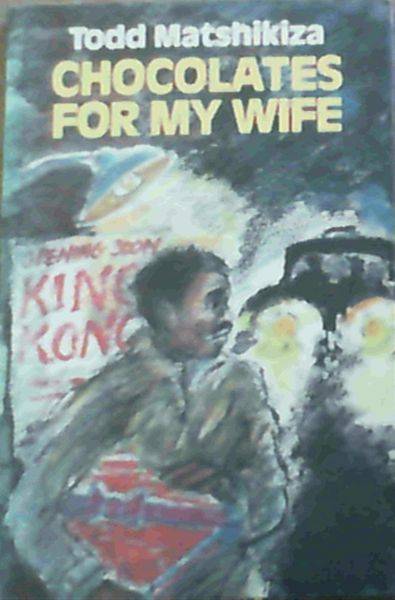
The book chronicles the frantic, farcical weeks that followed: Matshikiza being ejected from “Europeans Only” shops in downtown Johannesburg, a white friend smuggling him into the forbidden airport lounge, the precious box cradled like a baby across 6,000 miles, and the final, tear-stained moment in a cold London flat when the ribbon is untied and the chocolates have melted into a single brown puddle. He eats the mess, anyway, laughing and crying at the same time.
Written in the swinging, staccato prose that made his Drum columns legendary, the memoir turns a ruined sweet into the perfect emblem of apartheid’s everyday insanity. While Todd chases chocolate, the bulldozers are already erasing Sophiatown behind him; by the time the book appears, his childhood streets have become the white suburb of Triomf. Banned instantly in South Africa, it circulated underground, passed from hand to hand like forbidden jazz.
Matshikiza never came home. He died in Lusaka exile in 1968, only 47, separated from Esmé and the children for seven long years. Yet this slim, heartbreaking volume remains one of the warmest love letters ever written under a racist regime, proof that even when a system tries to strip you of everything, a man can still fly halfway round the world for a taste of sweetness to lay at his wife’s feet. Read it in an hour, remember it for a lifetime.
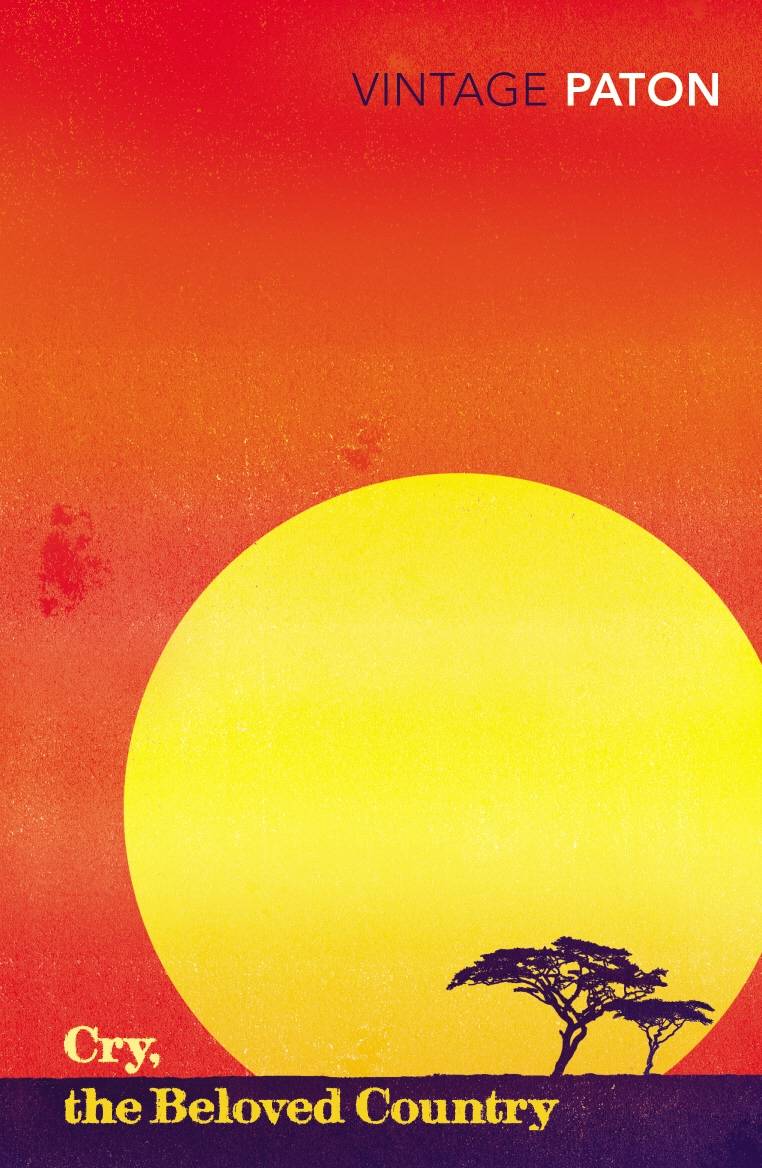
Finally, let me introduce Alan Paton’s book, Cry, the Beloved Country (1948). This novel is a moral voice for South Africa. It tells of Stephen Kumalo, a priest searching for his son in Johannesburg. Along his journey, Kumalo sees the suffering caused by racial injustice. He meets people who are kind and cruel, hopeful and broken. The story shows how land and society are worn out from exploitation. Paton’s simple prose carries deep moral weight. The novel ends with a plea for mercy and change. It reminds us that hope remains if we face our fears honestly. This book still moves readers today and urges us to seek a better way.
Now I ask myself: do these African stories and experiences still matter today? I am not sure what others think. But I believe they do. We can learn principles from them—lessons of resilience, resistance, and hope. These stories inspire us to reflect on our own struggles and find ways to overcome them. Their moral urgency remains relevant. They remind us that change often requires sacrifice. Their simple truths can guide us in difficult times. These books are not just history—they are lessons for the present and future.
P.S: Some entries of my diaries mentioned books that I wanted to read but failed to get. I have prepared the list showing authors and their books, and bracketed the names of the books. The list includes: Can Themba (The Will to Die), Lewis Nkosi (Mating Birds, Home and Exile), Nat Nakasa (The World of Nat Nakasa), Casey Motsisi (The Greatest of These, Bone of My Bone), Es’kia Mphahlele (Down Second Avenue, The Wanderers), Bessie Head (When Rain Clouds Gather, Maru, A Question of Power), Richard Rive (Buckingham Palace, District Six, Emergency), and Alex La Guma (A Walk in the Night, In the Fog of the Seasons’ End)