

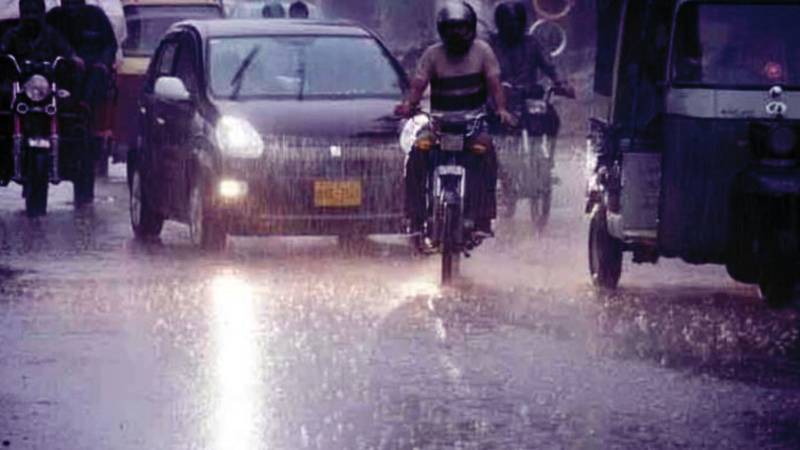
Pakistan expects to endure a particularly harsh monsoon this year. Unusual dust, hail, rain and thunderstorms in the spring have set the stage for further extreme climate events across the country, including the upcoming monsoon season, which is expected to start earlier than usual and will be more intense. But the question remains: is Pakistan prepared for these extreme climatic events?
The Pakistan Meteorological Department (PMD) recently issued alerts for the upcoming monsoon season. Pakistan anticipates significant climate hazards during the 2025 monsoon, including above-normal temperatures, riverine flooding from heavy rainfall in catchment areas, flash and urban flooding in major cities, and Glacial Lake Outburst Floods (GLOFs) in northern Pakistan due to accelerated snowmelt from rising temperatures. In addition, dust storms and hailstorms are expected in various regions.
On May 29, the PMD, with support from the Regional Integrated Multi-Hazard Early Warning System (RIMES), hosted the 5th Climate Application Forum at the Ramada Hotel, Islamabad. Key stakeholders from national and provincial bodies, academia, agriculture, disaster management authorities, NGOs, and members of the UN agency participated in the event to strengthen collaboration on climate resilience and early warning systems. PMD presented the monsoon 2025 alerts, highlighting the manifold climate risks, including rising temperatures, riverine flooding from heavy rainfall in catchment areas, flash and urban flooding in major cities of Sindh, Punjab, Khyber Pakhtunkhwa (KP), and Azad Jammu and Kashmir (AJK). GLOFs in Gilgit-Baltistan (GB) and KP due to accelerated snowmelt and rising temperatures, particularly during the early monsoon. PMD predict strong winds, dust storms, and hailstorms across various regions.
Providing a detailed briefing at the event, PMD’s meteorologists explained that this year’s monsoon could be more aggressive than usual and may start up to 10 days earlier than usual.
The forecast indicates the possibility of flash or urban flooding in hill torrent areas and plains of cities in Sindh, Punjab, AJK, and KP, especially during periods of intense rainfall
PMD Chief Meteorologist Dr Syed Afzal Saeed highlighted that monsoon rains in the southern Indian state of Kerala began eight days earlier than normal this year. Dr Saeed explained the monsoon tracks and referred to PMD station observations from 1981 to 2024, showing an increasing trend in monsoon rainfall in Punjab and KP. Overall, rainfall has slightly increased over the past four decades, he stated, presenting the data. He noted that monsoon rainfall is expected to replenish water reservoirs and groundwater resources.
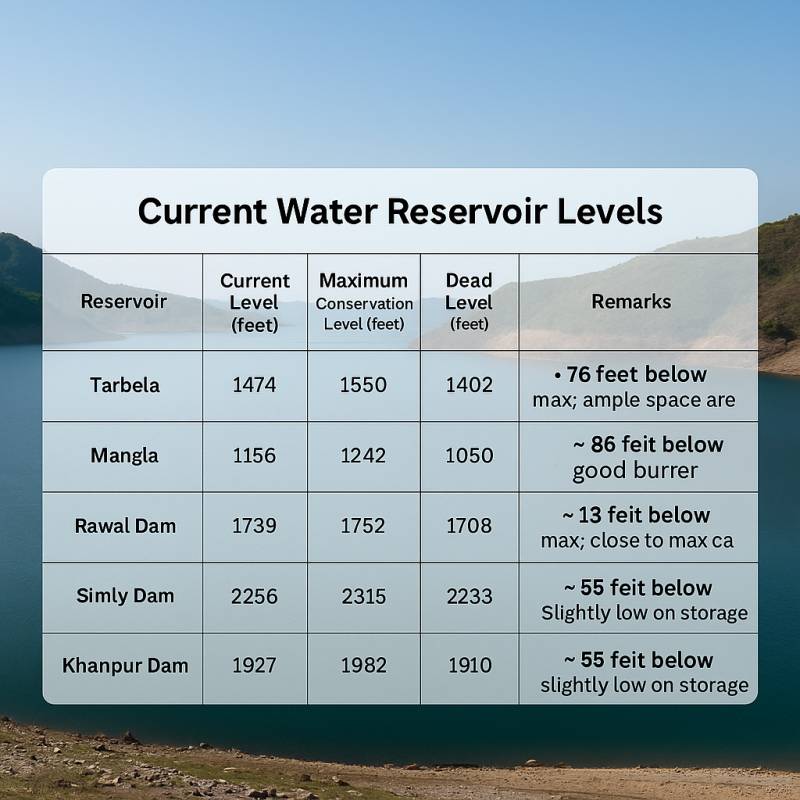
Dr Saeed said the World Meteorological Organisation (WMO) forecast indicates slightly above-normal monsoon rainfall in India and Pakistan this year. The PMD official also predicted above-normal temperatures in northern Pakistan for June, which could result in accelerated snowmelt in the mountains and more water in the rivers. The WMO, in a release coinciding with the PMD event, noted that per its Global Annual to Decadal Climate Update (2025–2029), global temperatures are projected to continue at or near record levels in the next five years, increasing climate risks and impacts on societies, economies and sustainable development.
The report forecasts that the annually averaged global mean near-surface temperature for each year between 2025 and 2029 is predicted to be between 1.2°C and 1.9°C higher than the average over the years 1850-1900. There is an 80% chance that at least one year between 2025 and 2029 will be warmer than the warmest year on record (currently 2024). And there is an 86% chance that at least one year will exceed 1.5°C above the pre-industrial level. The report does not give global predictions for individual years.
The chief meteorologist also forecasted normal to slightly above-normal rainfall over central and southern Pakistan, with enhanced rainfall in northeastern Punjab and Kashmir. Northern KP and Gilgit-Baltistan are expected to receive normal to below-normal rainfall, while above-normal temperatures are likely across the northern region. He warned that the upcoming monsoon season could significantly impact urban flooding in major cities due to heavy rainfall and increased water levels in reservoirs and catchment areas.
Specifically, the forecast indicates the possibility of flash or urban flooding in hill torrent areas and plains of cities in Sindh, Punjab, AJK, and KP, especially during periods of intense rainfall. Elevated temperatures in regions like KP, Gilgit-Baltistan, and Kashmir may accelerate snowmelt, further raising river water levels and exacerbating flood risks. Additionally, heavy rainfall can overwhelm drainage systems, leading to localised urban floods, particularly in areas prone to water accumulation and blocked drainage systems.
Mahr Sahibzada Khan, the director general of PMD and vice president of the WMO (RA-II), emphasised the pivotal role PMD’s early warning services have played in disaster risk reduction and national planning.
World Bank Representative Bilal Khalid highlighted modernisation efforts to strengthen Pakistan’s hydromet services. Responding to the question of the status of the World Bank-funded project, Pakistan Hydromet and Climate Services Project (PHCSP), its Project Director, Dr Ijaz Kashif, explained that they have funding worth $40 million for PHCSP and that following the World Bank guidelines, they have initiated the procurement of hardware for an Automatic Weather Station (AWS). Initially, it was planned that some 300 AWS would be installed across the country, but due to physical hurdles and security concerns, they will be able to complete the installation of 110 AWS in the first phase and the remaining in the second phase, he added.
PMD’s recent alerts raise questions: Are we truly prepared? And can we cope with the impact of these extreme weather events?
Representatives of the NDMA and PDMA explained their preparations and mechanisms to cope with the expected climatic hazards.
Lt. Gen (R) Nadeem Ahmad, Adviser at RIMES, called for hands-on disaster anticipation and management.
Maj Gen Amer Ashfaq Kayani, the Secretary (In-charge) of the Ministry of Defence, praised PMD’s efforts and pledged full support for enhancing early warning dissemination to vulnerable communities. PMD urged authorities to activate Emergency Operation Centers (EOCs), deploy rescue teams, and coordinate early warnings with local administrations. The public is advised to stay updated with official PMD alerts, avoid unnecessary travel during heavy rains, and report drainage issues.
Despite the organisations’ commitments, the citizens of Pakistan have faced severe weather conditions over the past 40 days, and they have struggled to cope with them. Unusual high winds, dust storms, and heavy rains have added to their troubles, from solar panels flying off from rooftops to luxury cars damaged by surprise hailstorms in Islamabad and crops destroyed by sudden weather changes, raise serious questions regarding the government’s commitment to the emerging climate crisis.