

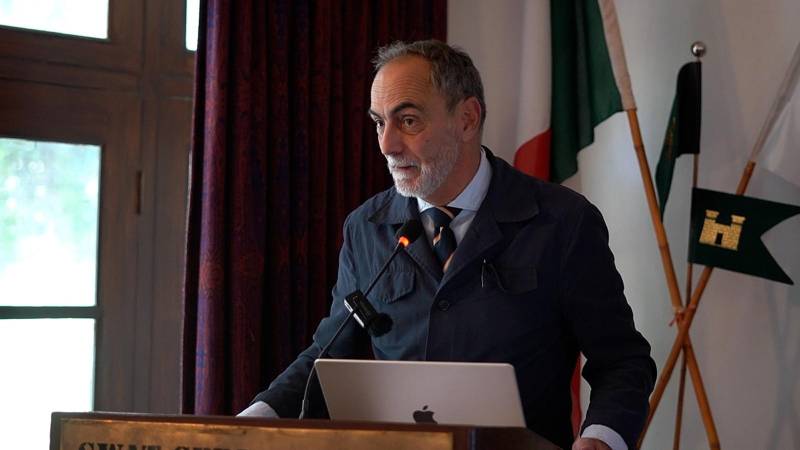
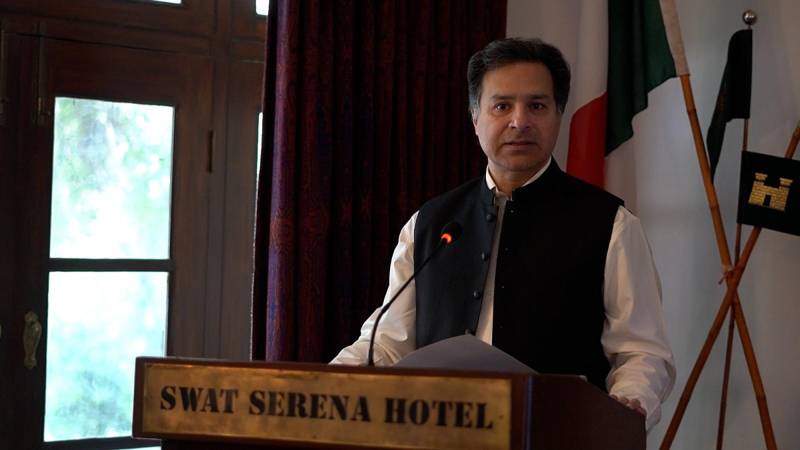
The 70th anniversary celebration of the Italian Archaeological Mission in Pakistan was held on 25th October 2025 at the Swat Serena Hotel, Saidu Sharif. The event brought together distinguished guests from across Pakistan, including scholars, local community members, archaeologists, and members of the Royal Family of Swat. I was also invited by Prof Dr Luca Maria Olivieri (SI) to this remarkable gathering, which was an enlightening experience. Through insightful presentations and discussions, I learned about the Mission’s extensive work in Swat—from the discovery and excavation of ancient sites to their preservation and the publication of valuable books, reports, and research articles. At the conclusion of the event, every participant received newly published works by the Italian Archaeological Mission in Pakistan. Among these, the most appealing was Uddiyana: The Way of Swat by Giuseppe Tucci (d 1984), a remarkable book that beautifully captures the cultural and archaeological essence of the Swat Valley.
The celebration of the 70th anniversary of the Italian Archaeological Mission in Pakistan was jointly managed by the International Association for Mediterranean and Oriental Studies (ISMEO) and Ca' Foscari University of Venice.
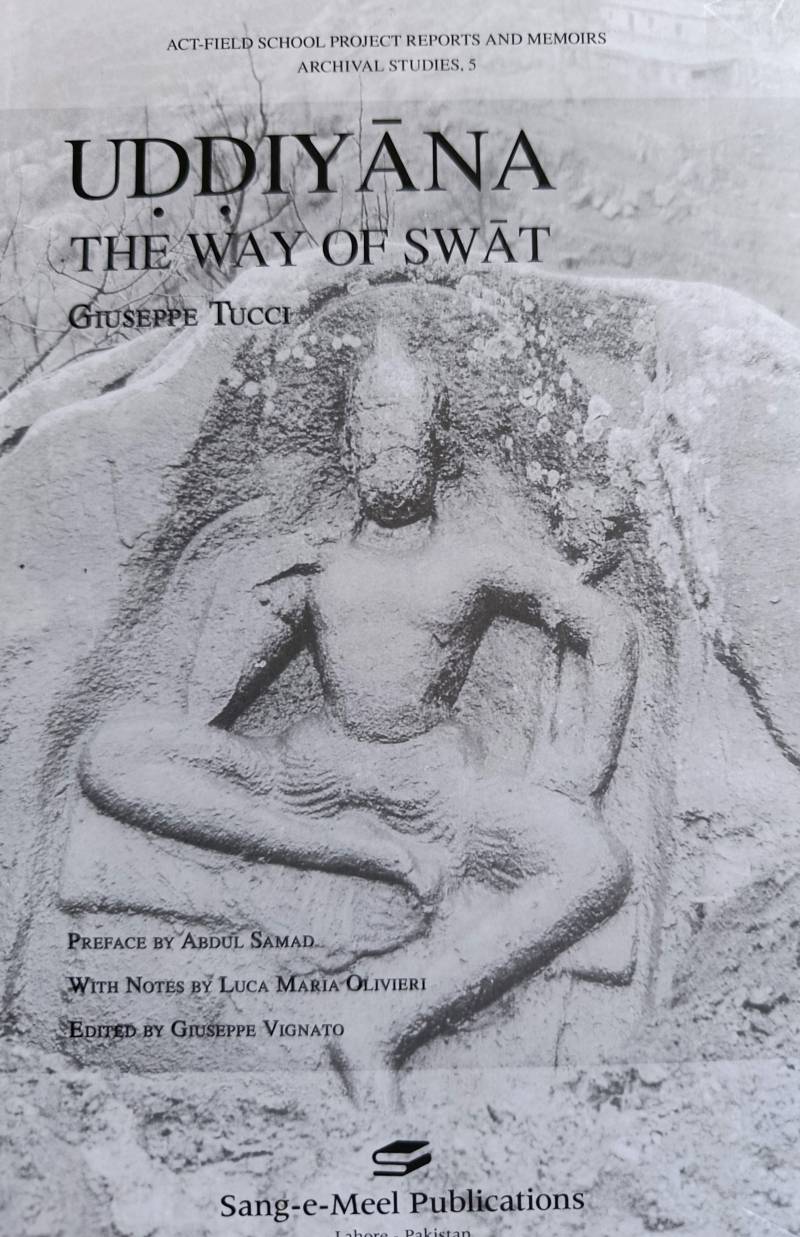
The archaeological activities of the Italian Archaeological Mission in Swat began in 1955, when the eminent Tibetologist and orientalist Giuseppe Tucci first set foot in the region. His visit in 1955 marked the beginning of a remarkable and uninterrupted archaeological activity of the Mission that has continued for seven decades, shaping the study and preservation of Pakistan’s archaeological heritage.
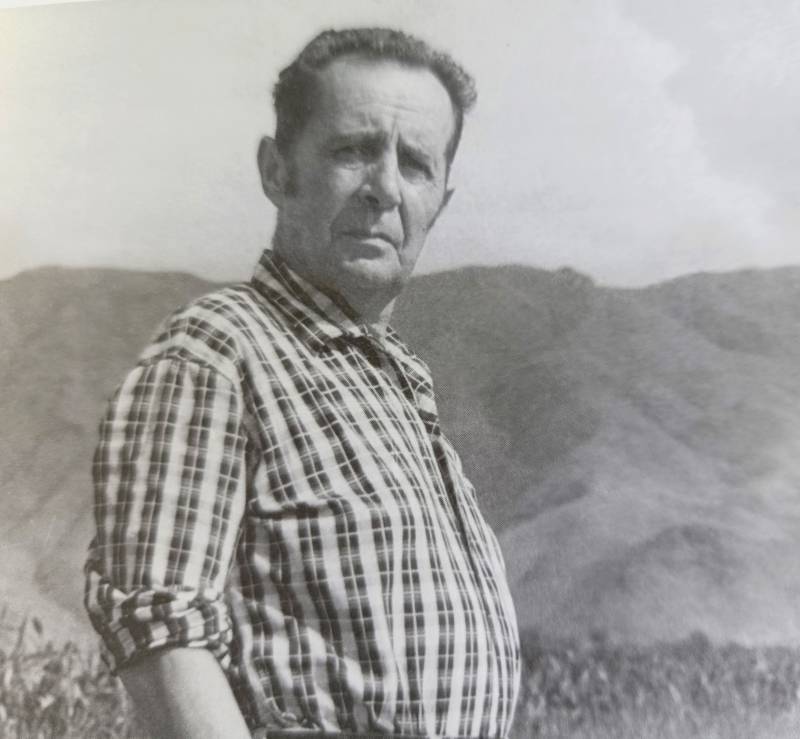
Under Tucci’s leadership, the Mission — then part of the former IsMEO, now ISMEO — soon became a pioneering force in Gandharan archaeology and a symbol of scientific cooperation between Pakistan and Italy.
The Mission has faced earthquakes, floods, and even the Taliban insurgency. It famously restored the Jahanabad Buddha after it was damaged in 2007
The anniversary ceremony opened with a message from the Italian Ambassador to Pakistan, Marilina Armellin, who emphasised the Mission’s contribution to enhancing Pakistan’s global cultural visibility and strengthening the historic partnership between Italy and Pakistan. Her remarks set the tone for a series of speeches by Pakistani and Italian representatives, all reaffirming their longstanding support for the Mission’s work.
Among the distinguished speakers, Dr Abdul Samad, Director of the Directorate General of Archaeology and Museums (DGOAM) of Khyber Pakhtunkhwa Province and Secretary for Tourism, Culture and Archaeology, spoke about the fruitful and enduring collaboration between the Directorate and the Italian team. His visionary leadership has brought the archaeology and tourist destinations to the international limelight. He continues to contribute fresh ideas and innovative perspectives to the Directorate General of Archaeology and Museums (DGOAM), Khyber Pakhtunkhwa, playing an active role in enhancing the preservation, research, and promotion of the province’s rich archaeological heritage.
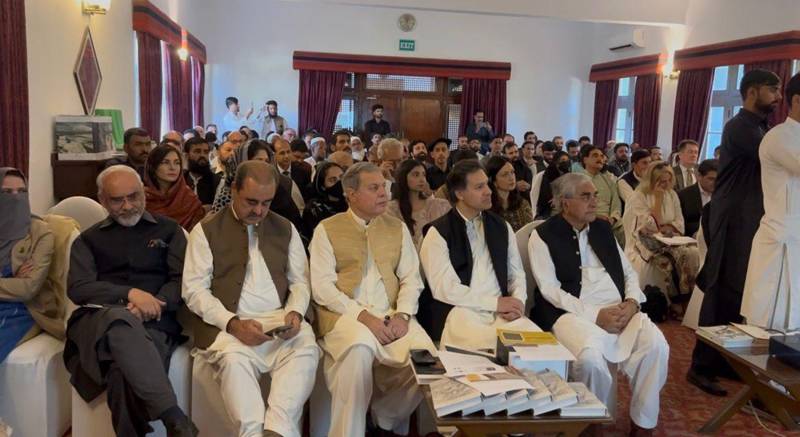
Messages followed from ISMEO President, Prof Adriano Valerio Rossi, and from Ca’ Foscari University’s Rector, Prof Tiziana Lippiello. A particularly meaningful moment came with the address of Honourable Mr. Justice Miangul Hassan Aurangzeb, member of the Miangul royal family, under whose patronage Tucci and the first Director of the Mission, Domenico Faccenna, began their research in Swat. He recalled the foundation of the Swat Museum in 1959 by the Wali of Swat and Tucci, today one of the region’s most prominent cultural landmarks, housing the largest collection of Gandharan artefacts unearthed during archaeological investigations. The first session concluded with a greeting from Dr Francesco Zatta, Head of the Islamabad headquarter of the Italian Agency for Development Cooperation, who reaffirmed Italy’s ongoing commitment to heritage protection and capacity building in Pakistan.
With over 1,000 publications, the Italian Archaeological Mission is a model of scientific excellence. It continues to inspire archaeologists and rock art scholars in Pakistan and beyond
The second part of the event focused on the Mission’s close collaboration with Pakistani universities and cultural associations. Representatives from several academic institutions highlighted the Mission’s pivotal role in training new generations of archaeologists through seminars and field activities. They also praised the Mission’s contribution to sustainable tourism, particularly through the ACT Project (2011–2017), which helped promote eco-tourism in the region. Speakers included Dr Razia Sultana, Vice-Chancellor of Mardan Women University; the Vice-Chancellor of Swat University; the Principal of Jahanzeb College; Aftab-ur-Rehman Rana, President of the Sustainable Tourism Foundation; Associate Prof Rafiullah Khan of Quaid-i-Azam University in Islamabad; and Prof Stefan Baums of the University of Munich, a leading expert in Gandhari epigraphy and a long-time collaborator of the Mission.
The ceremony concluded with distribution of new publication by the Mission and the launch by the current Director of the Mission, Prof Luca Maria Olivieri (University of Venice), of a new three-year project: the “Khyber PATH (Professions for Climate Adaptation, ecoTourism and Heritage)”, led by Ca’ Foscari University in partnership with the DGOAM of Khyber Pakhtunkhwa and implemented locally by ISCOS INGO. According to Prof Luca Maria Olivieri, this project is being funded by the Italian Ministry of Foreign Affairs through AICS with 3 million euros, which aims to develop a touristic mountain trail along a 125-kilometre route linking eight major archaeological sites from Taxila to Barikot, that will be the focus of archaeological research, conservation activities, and musealization programs.
During the launch, Prof Olivieri announced the ongoing excavations at Zalamkot, along the ancient Hati-lar, where a previously unknown Gandharan city has been discovered. Despite significant logistical challenges, the work has been made possible through the active collaboration of the local community led by the poet, writer, and archaeologist Abdul Nasir of Alladan-dheri.
Seventy years after its founding, the Italian Archaeological Mission in Pakistan remains a model of scientific excellence, with more than 1000 publications. It also serves as a reference for cultural cooperation and sustainable development in the region, as well as for training local professionals in archaeology, cultural heritage protection, and enhancement. University professors, provincial and federal authorities, male and female students, local cultural organisations, publishers, architects involved in heritage projects, journalists, and community members from the sites where the Mission operates all gathered to celebrate this shared journey.
Pakistan has an immense cultural heritage that has faced dramatic challenges — from the 2005 earthquake to the devastating floods of 2010 and 2022. Even in 2007- 2009, the Taliban insurgency in the Swat valley damaged the famous Jahanabad Buddha, which was restored by the Italian Archaeological mission in Pakistan under the leadership of its Director, Prof Luca Maria Olivieri.
The Mission has discovered, documented, excavated, and preserved numerous archaeological sites across Swat. Under the leadership of Prof Olivieri, the Mission’s Director, remarkable progress has been made in the study and preservation of the region’s cultural heritage.
Prof Olivieri authored over 250 scholarly articles and numerous books, including several edited volumes. Among his notable publications are Talking Stones; Digging Up (the first excavation manual published in Pakistan, also translated into Urdu and Pashto for the Afghan edition, 2021); Sir Aurel Stein and the Lords of the Marches; Ceramics from Bir-kot-ghwandai (coauthored with Pierfrancesco Callieri); and The View from Malakand (coauthored with Llewelyn Morgan). His most important publication include Stoneyards and Artists (2022), an in-depth study of the Frieze of the Saidu Sharif I stupa, and Vajirasthana (2025).
His work on rock art has been a profound source of inspiration for every rock art scholar in Pakistan. Prof Olivieri has written several insightful books and articles on the subject, too, and I have greatly benefited from his scholarship. His book Talking Stones: Painted Rock Shelters of the Swat Valley serves as an essential guide for anyone interested in exploring or researching rock paintings in Swat and beyond. After reading his publication, I was motivated to visit several of these incredible sites myself. The Mission’s ongoing efforts continue to inspire numerous individuals and organisations to pursue collaborative research that actively engages local communities—a hallmark of the Mission’s enduring legacy.