

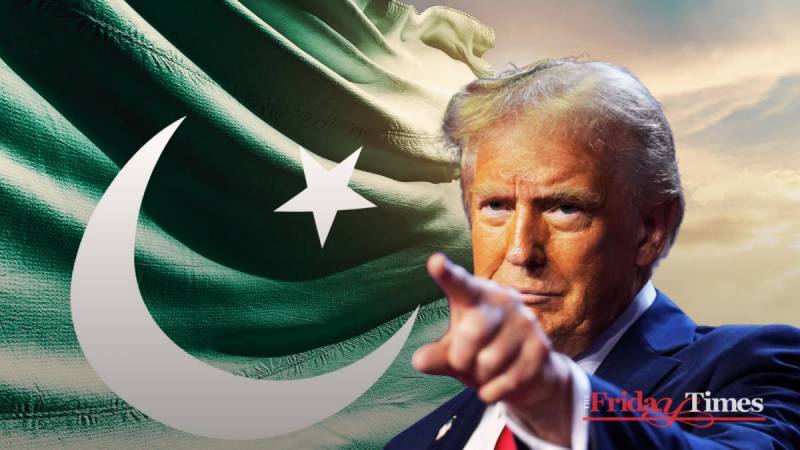
It’s not every day that US–Pakistan relations take centre stage in global headlines. Yet, in a week filled with high-stakes diplomacy, tariff upheavals, and shifting power dynamics, Washington rolled out a surprisingly warm welcome for Islamabad. The bilateral deal that emerged may involve oil barrels and tariff cuts, but the story goes far deeper. Beyond the diplomatic fanfare, one must ask: is this a transactional manoeuvre against India, or the beginning of a genuine strategic reorientation?
For decades, the United States has treated Pakistan with a mix of necessity and suspicion. During the Cold War, we were a frontline ally. During the War on Terror, we were a key logistics partner. But in peacetime, the US often distanced itself—cutting aid, tightening conditions, and pushing Pakistan into reactive positions. This cyclical dynamic, where ties warm during conflict and cool during peace, has dominated US foreign policy towards Pakistan. It’s been strategic, but not always respectful. Useful, but rarely equal. Trump’s first term followed this same pattern. In 2018, he suspended security aid and blamed Pakistan for harbouring terror networks. But a year later, he praised Islamabad for “helping” in Afghanistan and even claimed credit for stopping an India–Pakistan war after Pulwama. Now, Trump has re-emerged, once again placing himself at the centre of South Asia’s narrative. This time, though, the story seems to be less about war and more about realignment.
This past week, Islamabad and Washington signed a bilateral agreement aimed at resetting their trade and strategic relationship. A key element is the reduction of US tariffs on Pakistani exports—from as high as 29 percent to a more competitive 15 to 20 percent. In a related move, Pakistan’s largest oil refiner, Cnergyico, will import one million barrels of US crude this October, marking the country’s first-ever purchase of American oil. The deal also gestures toward broader cooperation in sectors like energy, minerals, IT, and even cryptocurrency, according to officials in Islamabad. But the timing raised eyebrows. The agreement came just one day after the US imposed 25 percent tariffs on Indian goods—a direct response to New Delhi’s continued oil imports from Russia. This overlap has sparked an obvious question: is the Pakistan deal a standalone initiative or a calibrated message to India?
India has long been the US’s preferred partner in South Asia. Its economic growth, tech sector, and balancing role against China make it attractive to Washington. But New Delhi’s insistence on maintaining ties with Moscow—buying oil and weapons—has strained parts of the US–India relationship. Trump’s decision to impose new tariffs on India, and then immediately boost ties with Pakistan, appears deliberate. It suggests the US wants to remind India that alignment is not unconditional. If India wants to assert autonomy, the US will keep its options open. In this context, the Pakistan deal might be as much about messaging India as it is about engaging Pakistan.
Trump’s theatrical diplomacy may have opened the door, but Pakistan must walk through it with credibility, consistency, and reform
This deal must go beyond anti-India symbolism. Pakistan can’t afford to be seen as a regional pawn—it has real strategic value. With untapped oil and mineral reserves, a key geographic location, a rising tech workforce, and a growing digital economy, Pakistan offers more than short-term utility. Trump’s administration didn’t act out of goodwill—they see potential returns. As Finance Minister Muhammad Aurangzeb said, “Trade and investment have to go hand in hand.” If this agreement brings real investment in energy, tech, or crypto, it could signal a deeper shift. This isn’t charity—it’s a calculated bet. Now it’s on Pakistan to prove it was the right one.
Adding to the intrigue was President Trump’s highly publicised meeting with Field Marshal Asim Munir—an unprecedented event in US–Pak military diplomacy. While official details remain scarce, the symbolism was impossible to miss. Trump has repeatedly credited himself for helping prevent a full-scale war during the May 2025 India–Pakistan clash, casting himself as a problem-solver in South Asia. His warm gestures toward Pakistan’s military leadership, including this meeting, suggest a personal investment that goes beyond typical diplomatic protocol. Whether driven by ego, strategy, or both, the message is clear: the longstanding US–Pakistan military relationship is not only intact—it’s now being reinforced with growing economic cooperation. And that marks a significant shift.
Historically, the US has engaged Pakistan mainly in times of geopolitical urgency—the Soviet-Afghan war, the post-9/11 years, and regional military flare-ups. Trade was never the main lens. But this deal offers a shift from security-first to economy-first. It places Pakistan not as a regional emergency case, but as a legitimate economic partner. That’s new. For once, we’re not being invited to clean up a mess. We’re being asked to collaborate on opportunity.
For this deal to mean more than a diplomatic headline, three things must fall into place. First, the promised tariff cuts must be implemented. Without clear follow-through, the agreement risks being reduced to empty optics. Second, real investment hinges on private sector confidence. US companies will only engage if Pakistan offers legal certainty, contract enforcement, and a smoother business environment. Third, the deal must outlast political cycles. If it rests solely on Trump’s personal diplomacy, a change in leadership could undo it. Building institutional continuity is key. Until then, it’s a strong signal—but not yet a solid shift.
It’s tempting to view this development as another episode of great power games. But we must be more strategic than cynical. If Pakistan plays this right—by improving its investment climate, expanding digital infrastructure, and following through on reforms—we can turn this into more than a one-time deal. We can finally become a partner of choice, not just convenience. If we treat this as just another “external bailout,” we will squander the moment.
Rhetoric and handshakes can spark momentum, but the real test lies in what follows. Trump’s theatrical diplomacy may have opened the door, but Pakistan must walk through it with credibility, consistency, and reform. This deal offers more than symbolic relief—it’s a chance to reset how the world sees us. Not as a crisis-prone country, but as a serious, stable partner. That shift won’t come from headlines alone. It will depend on how we execute at home and abroad. Let’s not treat this as a favour. Let’s treat it as a platform. If we approach it pragmatically, this moment could mark the start of something long overdue: a confident, economic partnership.