

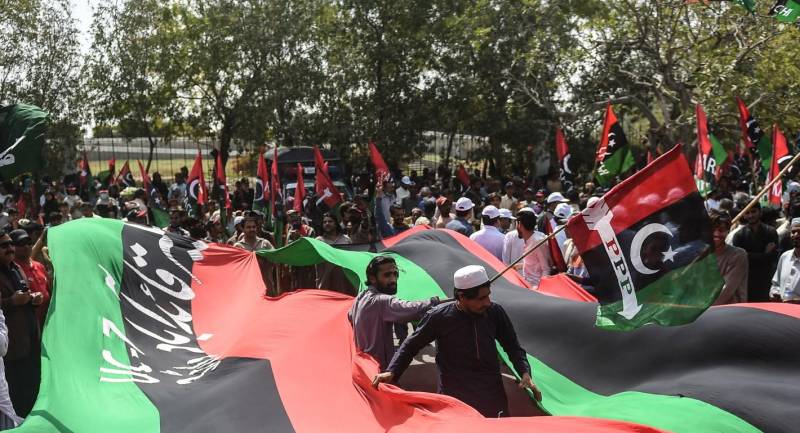
It is often claimed, particularly by analysts on television, that the Pakistan Peoples Party (PPP) won the 2008 general elections due to a massive sympathy wave following the assassination of Mohtarma Benazir Bhutto. This theory has been repeated so frequently that it has taken root in public discourse. However, a closer and more honest look at the facts reveals that this theory is both flawed and unfair to PPP and to Mohtarma herself.
Mohtarma Benazir Bhutto was a beloved and historic leader of Pakistan. Her return to the country in October 2007 generated enormous public energy, and her assassination in December 2007 plunged the nation into grief and trauma. But grief does not always translate into electoral success and, in this case, it did not result in the kind of sweeping, landslide victory that a so-called sympathy wave would suggest.
In fact, PPP’s performance in 2008 was far from dominant. It emerged as the single largest party, yes, but without a clear majority. It failed to make serious inroads in Punjab’s central districts, in KP, or in urban constituencies. In many areas, the party narrowly lost seats it could have won had Benazir remained alive and leading the campaign. Her personal presence in constituencies always had a strong mobilising effect, particularly on rural, female, and undecided voters. In her absence, PPP lost momentum and organisational control in critical areas.
I firmly believe that her assassination cost PPP between 15 and 20 National Assembly seats. These were constituencies where she was scheduled to campaign, and where her presence could have made the decisive difference. Her tragic death left a leadership vacuum at the most crucial moment of the election cycle, and the party could not recover in time to re-energise its national campaign.
PPP’s electoral performance in Sindh improved in the elections that followed 2008, further showing that the party’s vote bank remained intact and even strengthened in the long term, without the immediate impact of sympathy
The October 18, 2007, attack on Mohtarma in Karachi, which killed over a hundred of her supporters, is also important to consider. If there truly was a sympathy wave powerful enough to shape electoral outcomes, then we would have seen its effects after that first assassination attempt. But we did not. Despite national outrage and emotional outpouring, PPP did not sweep the elections. Most tellingly, PPP lost the Rawalpindi seat in the 2008 election, the very city where Mohtarma was later martyred. If any place were to respond to public grief with a sympathy vote, it would have been Rawalpindi. That did not happen.
This is why the sympathy vote theory, in my view, does not hold up to serious scrutiny and does no justice to either PPP or Mohtarma Benazir Bhutto. If public sympathy alone were enough, PPP should have had a landslide victory. That did not happen. On the other hand, had she not been assassinated, PPP under her leadership may very well have delivered a far stronger electoral performance. She had the leadership, the vision, and the campaign momentum to do so, and the party was already gaining ground in key regions.
In fact, PPP’s electoral performance in Sindh improved in the elections that followed 2008, further showing that the party’s vote bank remained intact and even strengthened in the long term, without the immediate impact of sympathy.
To sum up, the 2008 elections were not a triumph of emotion, but a result shaped by loss, disorganisation, and national uncertainty. The “sympathy vote” theory is not only inaccurate, but it also diminishes the complexity of that political moment. It also overlooks the reality that PPP, in Benazir’s presence, was politically alive and gaining strength, and may have achieved far more if fate had allowed her to continue leading her party and her people.