

Click here for the previous part in this series
They say that cities have hearts that are beating, bleeding and bursting with memory. If that is true, then one particular street is the very aorta of Peshawar. A bazaar of bustling souls, whispering walls, and more legends per square yard than perhaps any other place in the South Asian Subcontinent. This is not hyperbole; this is Qissa Khwani — the Bazaar of Tales.
You cannot claim to know Peshawar if you haven’t stood — even once — in the middle of Qissa Khwani Bazaar. Not merely stood, but lingered and soaked its history, rich with the aroma of endless cups of qahwa.
Let the dust settle on your shoes. Let the scent of cardamom, kerosene, and nostalgia creep into your lungs. Let the echo of voices, past and present, make you pause mid-step, because this isn’t a market; it is a living manuscript. A place where the soul of the city speaks, not through stone, but through stories.
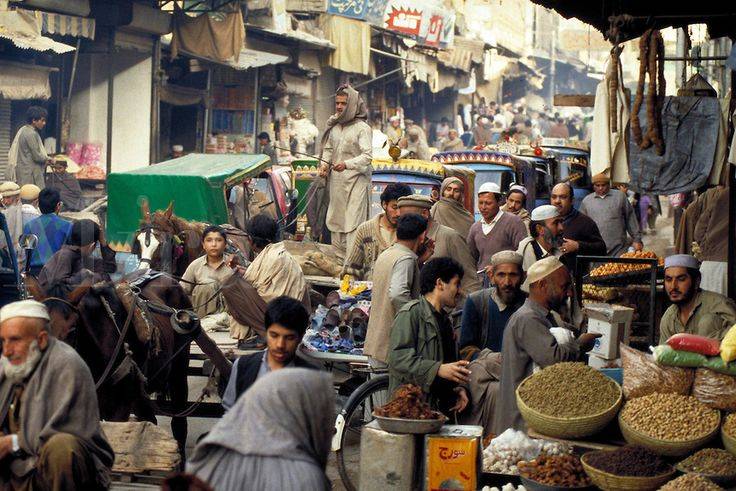
As a child, I remember being tugged along by my father, careful not to lose his sleeve in the crowd. Even then, the place felt alive — as though the cobblestones themselves carried memory. A man would sit cross-legged near a tea stall, hookah gurgling beside him, and start with those timeless words:
“Ek tha raja… ek thi rani…”
But what followed was no children’s tale. It was rebellion in rhyme, history in disguise, ethics through allegory. A fable — yes — but always with a spine of steel. It was a market but more than that, it was a stage. Long before Dolby sound and Netflix screens, Qissa Khwani was our cinema.
Men came here from Kabul, Bukhara, and Samarkand — not just with silk and saffron, but with tales in tow. They would park their camels, squat by the roadside, and begin spinning yarns so vivid that even time stopped to listen. Passersby paused, children leaned in, and cups of chai went cold as stories were told. It wasn’t performance. It was tradition. A street-level university of the subcontinent.
Here, I once saw two men argue — gently, yet passionately — about whether Hatim Tai’s generosity surpassed Rustam’s courage. No one won the debate. But everyone left richer.
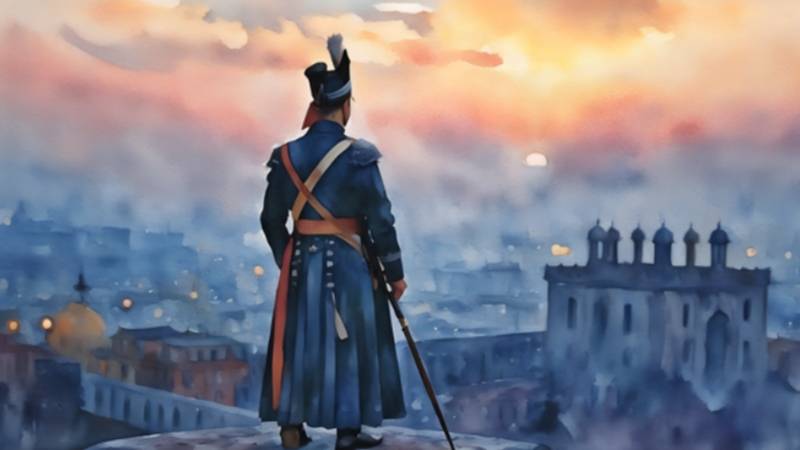
From his Peshawar fortress, Paolo Avitabile oversaw public executions with theatrical cruelty. Suspected rebel? Behead him. Petty thief? Hang him at the gate
Qissa Khwani has never belonged to the elite. It was a people’s promenade. The barber, the bard, the butcher, and the bookseller — all found equal footing here. So did poets and politicians, smugglers and scholars.
It’s where Dilip Kumar’s father once sold fruit, never imagining his son would enchant all of Hindustan. Not far off, Raj Kapoor’s ancestral home quietly watched history unfold. The bazaar didn’t create stars — it bore witness to them before the world knew their names.
And yet, the real magic lay in how this street embraced everyone. It didn’t ask your caste, creed, or dialect. It only asked: “Can you tell a story?”
But not every chapter has been kind. In 1930, under British rule, peaceful protestors — Khudai Khidmatgars — gathered here, unarmed and unflinching. The Empire answered with bullets. A massacre followed, blood soaking the very soil that once sang with tales. It was as if the bazaar itself wept, each cobblestone stained with grief and memory. Decades later, in 2013, terror came again — this time from within. A bomb tore through the market, ending dozens of lives in an instant. I remember watching the news with clenched fists. For the first time, Qissa Khwani went silent. But only for a while. Because stories, like rivers, find a way.

A few weeks later, I walked those same lanes. Tea was boiling again. A boy was balancing naan in one hand and staring dreamily at the clouds, perhaps imagining his own tale. The bazaar had exhaled. The hum had returned.
There was once an old man — Rehman Gul — blind from birth, who sat just beyond Sabzi Mandi. His voice, warm and worn, carried the epics of Pashto folklore across generations. He saw nothing, yet he saw everything. I still remember his refrain, murmured like prayer: “Zama zra key khabarey der dee…” My heart is full of stories. And we believed him. Because through him, the bazaar remembered.
Qissa Khwani has also known fear. A chapter written in blood and some stories it would rather forget. One such tale belongs to General Paolo Avitabile — the dreaded Abu Tabela — a Neapolitan mercenary sent by Maharaja Ranjit Singh to “govern” Peshawar in the 1830s. Govern he did, but in a style that would make even tyrants flinch.
From his fortress at Gor Khatri, once a Mughal serai, he oversaw public executions with theatrical cruelty. Suspected rebel? Behead him. Petty thief? Hang him at the gate. Imam too spirited in Friday prayers? Send a message — a headless one. Locals say the decapitated would roll downhill, their heads landing near the bazaar. Even today, some alleys carry names that hint at those dreadful days. Strangely, even his tyranny has become part of the folklore. Abu Tabela remains a cautionary tale. A villain, yes, but also a reminder: this city has survived worse.
What makes Qissa Khwani eternal isn’t its architecture — it’s the accumulation of memory. The clink of chai cups, the cry of the hawker and the slow swirl of dust as a child skips rope between shopfronts. The overlapping conversations that blur Urdu, Pashto, Hindko — each tongue adding its thread to the great tapestry.
If Bala Hisar is Peshawar’s citadel and Gor Khatri its navel, then Qissa Khwani is its pulse. It doesn’t shout, it hums. If you stand still long enough, you’ll hear it whisper your own story back to you.
The bazaar survived Abu Tabela. It survived the British. It survived Partition. It even tries to survive suicide bombings today. It survived because stories are stronger than swords.