

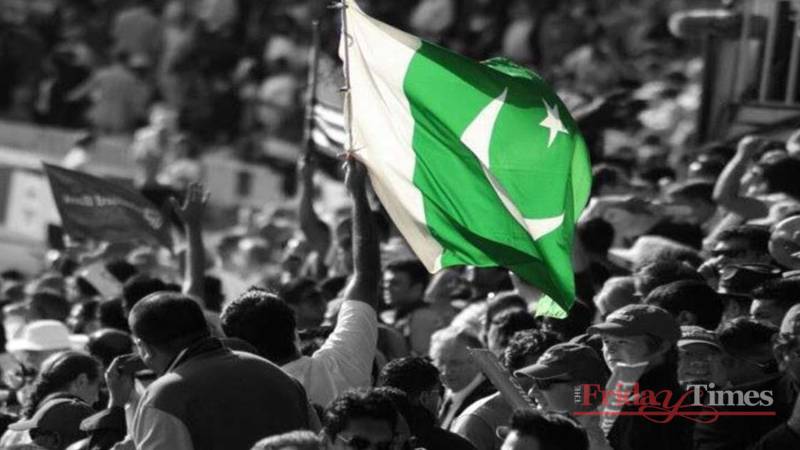
Youth is the heart of the nation — and imagine a country where approximately 60–64% of the total population consists of people between the ages of 18 and 35: full of energy, creativity, and undeniable potential. Beyond their role in shaping the cultural, societal, educational, and employment landscape, their representation in politics and governance is equally crucial. Their inclusion is vital in the formulation of effective policies — for both themselves and the country.
But the question remains: why is youth representation in politics often neglected? Everyone recognises how essential their involvement is in areas such as health, education, employment, technology, and particularly climate change. These are vital pillars of a nation, and the youth have an innate understanding of them. They are more informed about technological innovation, healthcare trends, and environmental challenges than ever before.
Pakistan is among the top countries globally in terms of youth population — the second-largest in the world. Yet, youth representation in politics is alarmingly low. The political landscape remains dominated by a handful of elite families who maintain power, create policy, and control decision-making. Ironically, even the youth within these political dynasties rarely participate meaningfully in governance.
The pressing question is: how can Pakistan ensure that the youth not only have the right to vote, but also secure a seat at the table — where their voices are heard, respected, and translated into action? The youth are the leaders of tomorrow, and they will inherit the future. Their ideas and perspectives are unmatched and hold the potential to bring transformative change to the political and social systems.
By enabling youth to take an active and necessary role in politics, Pakistan can become a more inclusive, forward-looking, and dynamic country — one that truly reflects the hopes and potential of its young population
According to the Election Commission's reports, youth voter participation was around 26% in 2013, increased to 37% in the 2018 elections, and surged to 48% in the 2024 elections. Yet, this increase in voter turnout has not translated into meaningful representation in political parties or parliament. Political leadership continues to be dominated by older individuals who make key decisions without youth input — often out of touch with the younger generation’s problems, views, and aspirations. Despite participating actively in the political process, young people remain largely excluded from mainstream politics, especially as successful candidates in provincial and federal legislatures.
However, a shift is underway. Today’s youth are increasingly politically aware, demanding accountability, and understanding their civic responsibilities. Social media has played a crucial role in this awakening, providing a platform to express opinions, raise concerns, and promote discourse. Podcasts and online forums have empowered the youth to question political leaders and offer suggestions.
In every region or province of Pakistan, youth make up nearly 20% of the local population. Their inclusion in politics would greatly benefit regional development and contribute to national progress — economically, educationally, and environmentally. The youth are already driving social, educational, and economic reforms. Yet, a generational gap in political leadership often results in outdated policies that fail to address current realities.
Young people are more in tune with the latest technological developments and are better equipped to deal with contemporary challenges. Their involvement would bring fresh ideas and innovation into policymaking. Many young people today are eager to be involved in politics and are committed to playing their part in developing Pakistan into a modern, progressive state.
However, several barriers remain. One of the primary challenges is the difficulty of accessing political platforms. Nepotism, age-based preferences, and the prioritisation of seniority over innovation prevent young individuals from rising in politics. Furthermore, many young people lack the resources, skills, and networks needed to gain a foothold in political parties or public office. Still, a few determined individuals have broken through these barriers, joined parliament, and proven their worth.
Economic hardship is another significant hurdle. Political engagement does not guarantee stable employment, and for most young Pakistanis living hand-to-mouth, the rising cost of living leaves little room to pursue political aspirations. Despite this, many continue to advocate for change and hold the government accountable for its actions and failures.
Youth representation in politics is vital for sustainable development in education, culture, healthcare, and the economy. Yet, barriers persist — including age restrictions, lack of institutional support, and deeply embedded structural challenges. Meaningful change requires consistent effort from political institutions and leadership to remove these obstacles and empower the next generation.
By enabling youth to take an active and necessary role in politics, Pakistan can become a more inclusive, forward-looking, and dynamic country — one that truly reflects the hopes and potential of its young population.