

The beginning of the year 2026 has brought little peace to a world already fatigued by conflict. Throughout the world, a new wave of conflicts between states has shattered the concept of peace and diminished the chances of a peaceful world.
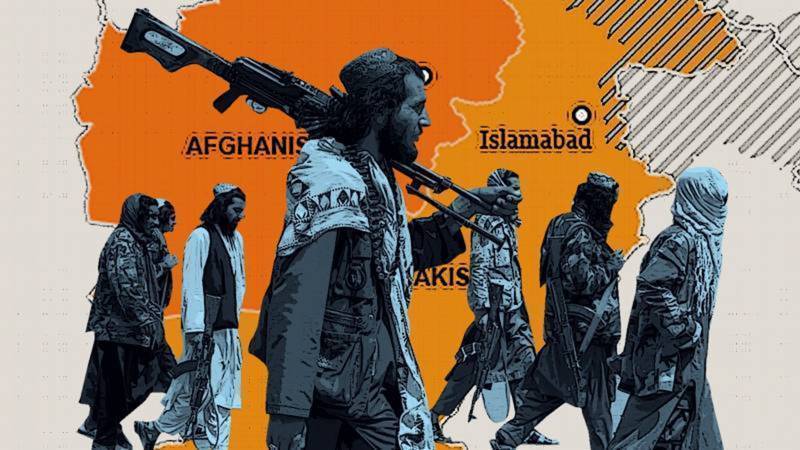
The South Asian region remains volatile. Starting with the India–Pakistan tensions in May 2025, and now recent border clashes and air strikes between Pakistan and Afghanistan, these countries are facing a more destructive confrontation. Both nations, for the sake of their people, must de-escalate the issue by prioritising counter-terrorism through a unified front; otherwise, human, economic, and institutional fallout will only worsen.
For Pakistan, terrorism is not a political issue; it is a deep national wound. It has drained Pakistan emotionally, financially, and in terms of resources for decades. The country has suffered economic losses of over $150 billion since joining the global War Against Terrorism. Pakistan has endured over 65,000 deaths, among them 23,000 civilians and thousands of soldiers.
Unfortunately, this sacrifice has not ceased. Since January 2026, border skirmishes have increased, and our soldiers have been taking hits daily on the porous western border. Every day, there is a new victim to mourn. This has wounded the nation, yet Pakistan remains committed to fighting to protect its people.
Conversely, the reaction from Kabul appears to be an obstacle to peace. The Pakistani government has, time and again, raised its concerns over border security, but the Afghan government has failed to address these concerns by allowing groups like the Tehrik-i-Taliban Pakistan (TTP) to operate from safe havens in Afghanistan.
Although the government of Pakistan has offered multiple proposals to fight this menace collectively, the response from Afghanistan has been defiance. Recently, Pakistan has openly declared war against Afghanistan, which has intensified over the weeks. Pakistani air strikes in Afghanistan, aimed at targeting terrorist hubs, have been met with vows of retaliation from Kabul, including drone attacks.
Soldiers and civilians from Kandahar to Lahore deserve peace, tranquillity, open communication, and not perpetual provocation
Both sides blame each other for the escalation of the conflict. This kind of defiance, instead of dismantling terror networks, propagates more cross-border attacks and ultimately makes the entire region more vulnerable. This situation is unfolding against the backdrop of an already fragile regional security environment, further strained by the current Iran–Israel/US tensions.
So, what is the path to de-escalation? Pakistan’s recent air strikes on terrorist hideouts in Afghanistan have sparked understandable outrage, but one must not forget that violence will only create more violence. The only viable path forward in this situation is a return to the negotiating table and the reopening of peace talks.
A neutral mediator, such as China or the United Nations, could help in establishing a ceasefire and a workable framework for cooperation. To curb the menace of terrorism, both countries could sign a structured agreement and share intelligence, thereby building trust rather than trading fire.
Pakistan has a successful history with Operation Zarb-e-Azb, which has reduced terrorist incidents within its borders. The Afghan government must match that effort by denying haven to militants and securing the border, not only to ensure Pakistan’s security but also that of its own citizens.
Ultimately, de-escalation of the conflict benefits everyone. Terrorism thrives on chaos and feeds off conflict. Pakistan and Afghanistan have endured a troubled history, but they have also experienced periods of peace and cooperation.
Neither country can bear the burden of more graves or the strain of a war economy. The temporary truce announced by both countries during Eid al-Fitr shows that the restoration of peace is possible. However, both countries blamed each other for the resumption of hostilities.
Soldiers and civilians from Kandahar to Lahore deserve peace, tranquillity, open communication, and not perpetual provocation. One can only hope that leaders choose peace over wrath. This region has bled enough. It is time to move beyond hope and establish tangible mechanisms, be it Track II diplomacy or a direct hotline between military leaderships, to discuss mutual interests and secure a future that is not defined by terror.