

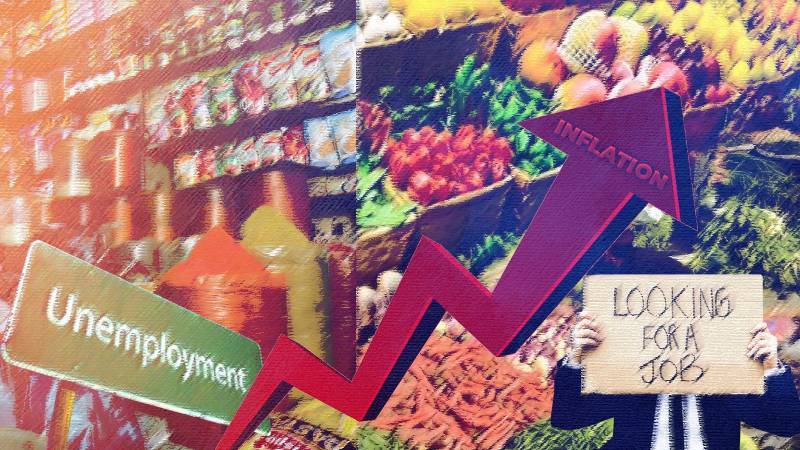
Pakistan has been facing a series of serious economic problems that are making life increasingly difficult for its citizens. The main challenges include high inflation, rapidly rising electricity and gas prices, and a sharp decline in the purchasing power of ordinary people. These issues have affected almost everyone, but the poorest in society have been hit the hardest. The causes of these problems are complex and interconnected, making them even more difficult to resolve.
By 2024, inflation in Pakistan had surged to over 27 percent, leading to a sharp rise in the prices of essential goods. Items such as wheat, rice, sugar, cooking oil, and other basic food products became significantly more expensive compared to the previous year. This sudden and painful increase in prices has many underlying causes.
One of the major factors was the global economic slowdown caused by the COVID-19 pandemic. The pandemic severely disrupted supply chains across the world, making imported goods more expensive and harder to access. Since Pakistan relies heavily on imports for many of its daily needs, the impact was strongly felt across the country, pushing prices higher and making life more difficult for the common man.
In addition, ongoing conflicts—particularly between Russia and Ukraine, and between Israel and Iran—have had global consequences, sending fuel and food prices soaring worldwide, including in Pakistan. These conflicts made energy and food products more expensive across international markets, and because Pakistan imports much of its supply, the country was forced to pay significantly more.
Another major issue was the depreciation of the Pakistani rupee against the US dollar. A weaker rupee meant that anything imported—such as oil, fuel, or food—became even more costly. These additional costs were passed on to consumers in Pakistan, leading to higher prices for nearly everything they buy. This combination of currency devaluation, rising global prices, and supply chain disruptions has dealt a heavy blow to the people of Pakistan, especially those already struggling to make ends meet.
Electricity and gas prices have also increased dramatically, adding yet another heavy burden to the lives of Pakistani families. Over the past year, electricity tariffs rose significantly, making it harder for people to afford their monthly utility bills. Several factors contributed to this rise. First, Pakistan relies on imported fuel to operate its power plants. As the rupee lost value and global prices increased, the cost of this fuel surged. Second, to secure vital loans and financial assistance, Pakistan had to meet strict conditions set by the International Monetary Fund (IMF), including raising energy prices to reduce the budget deficit. As a result, families are now paying far more for electricity, despite continued load-shedding and an unreliable power supply.
If Pakistan can increase domestic food production, it will reduce its reliance on costly imports, lower food prices, and ease pressure on the currency
Natural gas prices have also spiked, particularly during the winter months when demand is higher and Pakistan is forced to import additional supplies. Industries such as textiles and manufacturing, which rely on gas for their operations, have been hit hard. As their production costs rise, many companies have had to lay off workers or reduce wages. This has further worsened the situation for families already struggling with the overall increase in the cost of living. The financial pressure on ordinary households is mounting and reaching dangerously high levels.
The overall effect of these rising costs is that the purchasing power of the population has been severely eroded. Wages have not kept pace with inflation, making it increasingly difficult for people to afford the same goods and services as before. Many households can no longer cover basic needs such as adequate food, healthcare, and education for their children.
The middle class, which has historically provided some degree of economic stability, is now under intense pressure. Families that were once comfortable are being forced to cut back on groceries, forgo medical treatment, and make other painful sacrifices simply to survive. The situation is even more dire for poorer households, many of which can no longer afford three meals a day. Malnutrition is becoming an increasingly serious problem, as families are forced to choose between feeding themselves and paying for essentials like electricity and rent.
With people spending less on non-essential items such as clothing, electronics, and small household goods, businesses are suffering too. Small shops and markets, which depend on daily footfall, are seeing fewer and fewer customers. This has created a domino effect—forcing some businesses to shut down and leading to further job losses, deepening the economic crisis. Poverty is on the rise, with more families falling below the poverty line and unable to meet even the most basic living costs. This is a deeply concerning trend for the country's future.
There are also serious consequences for education and healthcare. Many parents have been forced to withdraw their children from school because they can no longer afford fees, uniforms, or books. Some families have moved their children from private to public schools, while others have stopped their education altogether. Similarly, fewer people are visiting doctors or buying necessary medicines, simply because they cannot afford to. This could have long-term consequences for the health of the population, potentially leading to preventable illnesses and deaths. There is a real danger that an entire generation of children will miss out on education, while many adults may suffer worsening health conditions. Both trends could significantly hinder Pakistan’s development in the years ahead.
Youth unemployment is another critical concern. Many young people cannot find suitable employment and are forced to accept low-paying or informal jobs to survive. This wastes human potential and poses a serious social risk. When young people lose hope in their future, frustration and anger may follow—leading to instability and unrest. It is vital to provide opportunities for the youth, or else the country’s problems will only deepen.
To address these immense economic challenges, Pakistan will need to take bold, strategic, and well-coordinated action. One critical area is the energy sector. The country must transition to more affordable and reliable sources of energy to reduce dependency on imports and stabilise prices. Simultaneously, there must be investment in agriculture. If Pakistan can increase domestic food production, it will reduce its reliance on costly imports, lower food prices, and ease pressure on the currency. Supporting farmers through modern techniques, improved seeds, better storage, and efficient transport systems could yield substantial benefits.
The government must also expand social safety nets to help vulnerable citizens in the short term. This includes direct cash transfers, food assistance, and energy subsidies for the poorest households. Creating job opportunities must be a top priority. By supporting industries such as manufacturing, technology, and services, Pakistan can generate employment and ensure people can earn a decent livelihood.
Investing in education and vocational training is equally essential. Equipping young people with the skills required in today’s job market will enable them to build better futures for themselves and contribute to sustainable economic growth.
Pakistani citizens, especially those from low-income backgrounds, are under enormous economic pressure. Their daily struggles are growing more severe. Solving these issues will not be easy—it will require clear leadership, deep structural reforms, and a practical, people-centred approach. But there is still hope. If the government makes the right choices and prioritises its people, Pakistan can move towards a more stable, equitable economy—one where every citizen has a fair chance at dignity, security, and opportunity.
The challenges are formidable—but so is the spirit and resilience of the Pakistani people, who have time and again shown they can persevere and rebuild, even in the harshest of circumstances.