

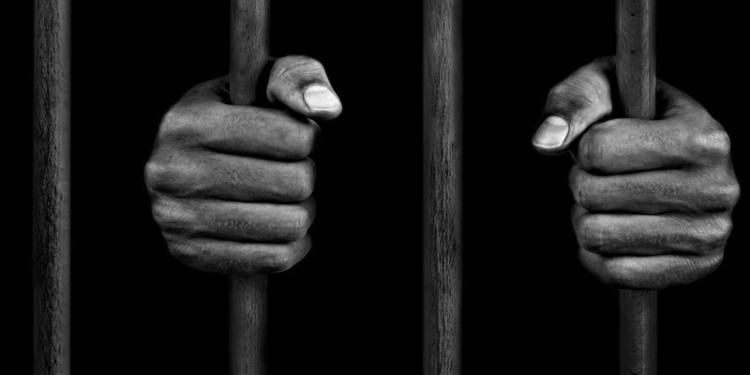
The rates at which released prisoners re-offend or go back to their previous criminal activities remains an issue globally in the criminal justice systems. For instance, recidivism statistics for released inmates’ range between 20% and 44% within the first year in the United States, making it crucial to have effective solutions. Among correctional interventions, rehabilitation programs are the shining of hope and a ray of light which provides hope as a plus to reducing recidivism and changing the lives of inmates.
Education and Vocational Training: Opening Doors
Education should be made accessible, especially for those who have been imprisoned, to help change their lives. David, for instance, spent five years in prison for drug possession. After his release, he began attending a GED class and enrolled in a carpentry vocational training program. According to research conducted on individuals like him, such educational and vocational opportunities significantly reduce recidivism. David’s journey was not only defined by the skills he acquired; it was his redemption—reclaiming a future once thought irretrievable. As a result, he secured a stable job upon release, greatly reducing his chances of returning to crime. Research confirms the effectiveness of such rehabilitation programs in lowering recidivism rates.
According to the research, education reduces the reoffending rate from prisoners by 43% .Vocational training is also important; this is because inmates who undergo these programs have a 28% chance of getting a job once they are released from prison. This is a way out of the cycle of crime and into a future full of opportunities as he will now put his efforts towards productive ends.
Rehabilitation programs do not only prevent individuals from returning to their old ways; they transform people into productive citizens
Addressing Mental Health and Substance Abuse: An Option for Healing
According to the National Institute on Drug Abuse, it has been estimated that more than two-thirds of the inmates suffer from substance use disorders in prison. Otherwise, such people have a higher rate of recidivism, which poses a threat to the community if such individuals are released. Skills training, which includes CBT, offers essential assistance and teaches the client the reasons for his conduct and how to modify his patterns for improved overall functioning.
The Significance of Post-Release Support
Reintegration back into society is always a difficult process for prisoners. Consider leaving prison after serving years in prison and getting the challenges of attaining a job, food, shelter, and other necessities of life and rebuilding relationships. This is where post-release support becomes vital.
For instance, in Norway where the general recidivism rate is about 20%, extensive post incarceration support services are provided. Outcasts get support for basic needs, including gaining housing, jobs, and mental health treatment after release. Such an approach enables them to reintegrate in society in a proper manner and fashion crime-free lifestyles.
The Broader Impact: Constructing Safer Communities
Rehabilitation programs do not only prevent individuals from returning to their old ways; they transform people into productive citizens. Thus, reintroducing deprived individuals can lead to the enhancement of their personal lives, decreased crime levels and the strengthening of the communities .
These programs are not simply a second shot at life, but a way to reclaim and start new. It should however be understood that by putting our resources in to rehabilitation, we are putting money into a future where people will be productive and making positive contributions to their societies; and societies that will be safer for all.
Community corrections are effective in ensuring that the reformation process reduces the rate of rearrest or re-incarceration. These programs have the potential of helping the individuals find education, vocational training, mental health treatment, and post-release support that can help them change their lives and leave criminal activities behind . The evidence is clear: expenditure on rehabilitation is not only effective in combating the incidence of crime but also in reconstructing lives and promoting better cities.