


On one of my visits to Japan, I was amazed to learn that it has the highest life expectancy in the world: 85 years for men and 87.3 years for women. Besides these astonishing figures, I came across many centenarians as well, particularly in the southwest of Japan. The concept of “ikigai” (a reason for being) is often cited as a contributing factor. This philosophy encourages living a life filled with purpose, community, and healthy habits.
A centenarian remarked, “Okinawa exceeds the national average.” On further query, I was told, “the mortality rate from cardiovascular disease in Okinawa is lowest in Japan, and diet almost certainly has a lot to do with this.” Experts point out that for one thing, Okinawa is the only province in Japan without trains. Its residents have to walk or cycle when they are not driving. It is also the only province of Japan where people eat less than ten grams of salt per day. This amazing fact intrigued me, and I decided to dive deep into the mystery of the dietary details concerning Okinawans.
The most authentic and widely cited reference on diet in Okinawa comes from studies by Makoto Suzuki’s research team, which is published in a book considered the bible on the subject: The Okinawa Program. The research team reached several results. Variety is key: locals eat a wide variety of foods, especially vegetables.

A study of Okinawa’s centenarians showed that they ate 206 different foods, including spices, on a regular basis. They ate on average eighteen different foods each day, a striking contrast to the nutritional poverty of our fast-food culture. They eat at least five servings of fruits and vegetables every day, and at least seven types of fruits and vegetables are consumed by Okinawans on a daily basis. The easiest way to check if there is enough variety on your table is to make sure you’re “eating the rainbow”. A table featuring red pepper, carrots, spinach, cauliflower, and eggplant, for example, offers great colour and variety. Vegetables, potatoes, legumes, and soy products are staples; more than 30 percent of their daily calories come from vegetables. Grains are the foundation of their diet. Japanese people eat white rice every day, and rice is the primary food in Okinawa, as well. They rarely eat sugar, and if they do, it’s cane sugar. It is believed by the locals that sugar cane has anti-carcinogenic benefits. Furthermore, Okinawans eat fish on an average of three times a week, unlike in other parts of Japan.
The average lifespan of the Hunza people is reported to be over 100 years, and many Hunza residents have lived well into their 120s
The Okinawa Program by Makoto Suzuki’s team indicates that Okinawans consume fewer calories on average, 1,785 per day compared to 2,068 in the rest of Japan. In fact, lower calorie intake is common among the five Blue Zones, which are regions of the world where people live longer and healthier lives: Okinawa, Japan; Sardinia, Italy; Nicoya, Costa Rica; Ikaria, Greece; and Loma Linda, California. They share lifestyle characteristics that contribute to longevity, including plant-based diets, regular physical activity, strong social connections, and a sense of purpose. They also eat practically half as much salt as the rest of Japan: 7 grams per day, compared to an average of 12 grams per day. They consume, in general, one-third as much sugar as the rest of the Japanese population, which means sweets and chocolates are much less a part of their diet.
Little known outside Pakistan, the Hunza tribe of Gilgit-Baltistan is a unique, fascinating community known for its unique lifestyle, culture, and longevity. I consider it the 6th Blue Zone. Nestled in the mountainous region of northern Pakistan, the Hunza people have captivated the world with their reputation for a long, happy life and good health. Their daily diet consists mainly of natural food sources, like herbs and vegetables, fruits, nuts, grains, and dairy products. The Hunza people follow a predominantly plant-based diet and consume little or no meat. There is a lack of processed foods, which may help prevent modern diseases like diabetes and high fats. Apricot seeds and oil are thought to provide health benefits.
They practice sustainable farming methods, using organic techniques and avoiding the use of chemical fertilizers and pesticides. The Hunza tribe has several traditional practices and beliefs that contribute to their unique way of life. One of the notable practices is the consumption of glacier water, which is believed to have healing properties and is considered a source of vitality and longevity. Their water is believed to be rich in minerals and antioxidants, which is considered a contributing factor to their good health.

The Hunza tribe have a unique lifestyle and culture that sets them apart from other communities. They are known for their simplicity, strong social bonds, and hospitality. They have a close-knit community structure, where extended families live in the same area and share resources and responsibilities. Living in harmony with nature and observing their surroundings is an important part of the Hunza culture. They believe that nature is a big part of the universe. There is a belief that people can be influenced by nature and the environment around them. The Hunza people also engage in regular physical activity, including walking and working in the fields, which helps them maintain good health and fitness. They have a low incidence of chronic diseases such as heart diseases, diabetes, and cancer. The average lifespan of the Hunza people is reported to be over 100 years, and many Hunza individuals have lived well into their 120s. Living in a remote area, the Hunza people have a low-stress environment. Historically, babies were breastfed for a few years, which is linked to better health outcomes. Clean air and water in their mountainous regions are considered a major contribution to their longevity. Geographical isolation in a high-altitude region has historically helped protect them from some communicable diseases.
The concept of “hara hachi bu” is that when you notice you’re almost full but could have a little more, you just stop eating! One way to adopt this concept is to skip dessert or to reduce portion size. The idea is to still be a little hungry when you finish. The hadith found in collections like Sunan-al-Tirmithi and Sunan Ibn-e-Majah advises a balanced approach to eating, leaving physical space in the stomach. The specific hadith is reported by Miqdam bin Ma’dikarab, where Prophet Muhammad (peace be upon him) said: “A human being fills no worse vessel than his stomach. It is sufficient for a human being to eat a few mouthfuls, to keep his spine straight. But if he must (fill it), then one third of food, one third for drink and one third for air.”
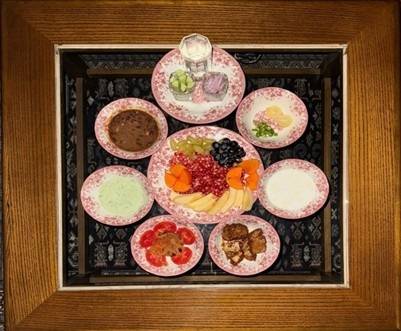
Portion sizes are much smaller in Japan than in the West. Food isn’t served as appetizers, main course, and dessert. Instead, it’s much more common to see everything presented at once on small plates: one with vegetables, one with rice, a bowl of miso soup, and something to snack on. Serving food on many small plates makes it easier to avoid eating too much. That’s the psychological benefit! Buddhism also recommends eating two-thirds as much as you might want to. “So, eat less to live longer.” Eating fewer calories than our bodies ask for seems to increase longevity. The key to staying healthy while consuming fewer calories is eating food with a high nutritional value. Caloric restriction is one of the most effective ways to add years to your life.
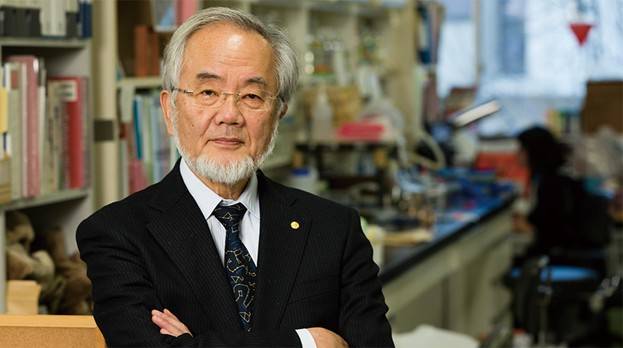
In addition to the above measures, one should fast one to two days a week. The Holy Quran highlights the primary benefits of fasting in attaining “taqwa” (piety and mindfulness of Allah, Quran 2:184). It also emphasizes further benefits: “And it is better for you that ye fast, if ye only knew”, including those related to physical health. Japanese cell biologist Yoshinori Ohsumi won the Nobel Prize in Medicine in 2016 for his research on how cells recycle and renew their content, a process called “autophagy”. Fasting, as mentioned in the Holy Quran, activates autophagy, which helps slow down the aging process and has a positive impact on cell renewal. During autophagy, cells destroy viruses and bacteria and get rid of damaged structures. It is a process that is critical for cell health, renewal, and survival. Fasting is associated with longevity. There is a large body of research that connects fasting with improved blood sugar control, reduced inflammation, improved brain function, and weight loss. One study notes that “Sporadic short-term fasting driven by religious and spiritual beliefs… can induce widespread dramatic upregulation of autophagy in CNS neurons and may have clinical relevance and neuroprotective effect.” The Nobel Laureate quotes: “As research into autophagy has expanded, it has become clear that it is not simply a response to starvation. It also contributes to a range of physiological functions, such as inhibiting cancer cells and aging, eliminating pathogens, and cleaning the insides of cells. We have also begun to see a small explosion in research that demonstrates a new function with knocking out genes that contribute to autophagy. However, there is still much we do not know about the mechanism of autophagy at the molecular level, to tackle the mechanism head on. This is my mission.”
The benefits of autophagy and fasting include strengthening the immune system, enabling the body to protect itself against infections and diseases more effectively. It has anti-aging effects, as regular fasting slows down the signs of aging, such as wrinkles and fatigue, and helps maintain youthful energy and appearance. It improves heart health by helping to regulate blood sugar levels, reduce cholesterol, and lower the risk of heart disease. Autophagy plays a role in cancer prevention by eliminating abnormal or pre-cancerous cells, preventing their growth and spread. It benefits brain health and neuroprotection by reducing inflammation and enhancing neuroplasticity, and also helps against neurodegenerative diseases like Alzheimer’s and Parkinson’s. It encourages cellular repair and renewal by removing damaged cells and creating new healthy ones, which rejuvenates the body at a cellular level and promotes overall health. It aids in weight loss and fat burning, as during fasting, the body burns fat cells for energy while preserving muscle mass. Furthermore, modern studies have shown that fasting is effective in improving metabolic health, reducing inflammation, and supporting longevity.
Before concluding, it would not be out of place if I suggest comparable natural antioxidants found in the Okinawa diet for the Pakistani diet. I’ve named it: “Nuri’s 14 Natural Antioxidants in Pakistani diet.” If practiced judiciously, it will certainly have a positive impact on health and longevity.