

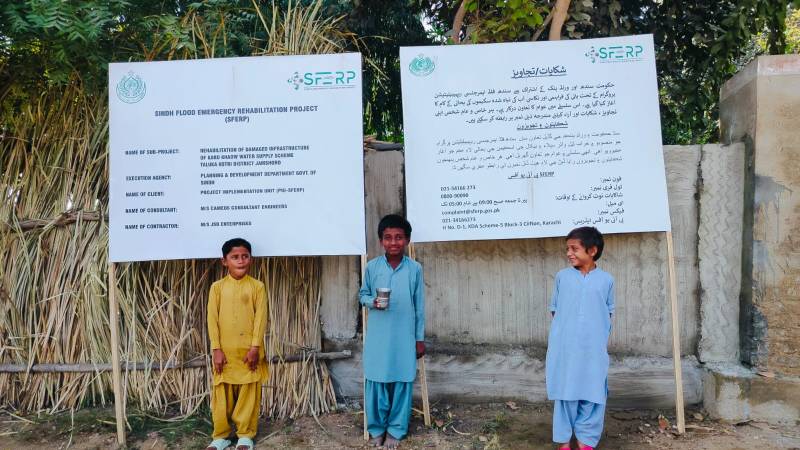
A group of laughing children playing in the dirt does not reveal the devastation the water caused in this area two years ago. The rustic surroundings exuded a serene vibe that enticed one to relax and enjoy life. However, this area was inundated in 2020 as its residents frantically looked for a safe place to find shelter.
Karo Khaow village in Kotri, Jamshoro, Sindh, is one of the many villages that were affected by the heavy rains and flood water in 2020. Its 3000 residents comprises 250 households, who are relieved to be back home and cannot stop talking about the work the Sindh Government has been doing since June 2024 to ensure they can live a better life under its Sindh Flood Emergency Rehabilitation Project (SFERP).
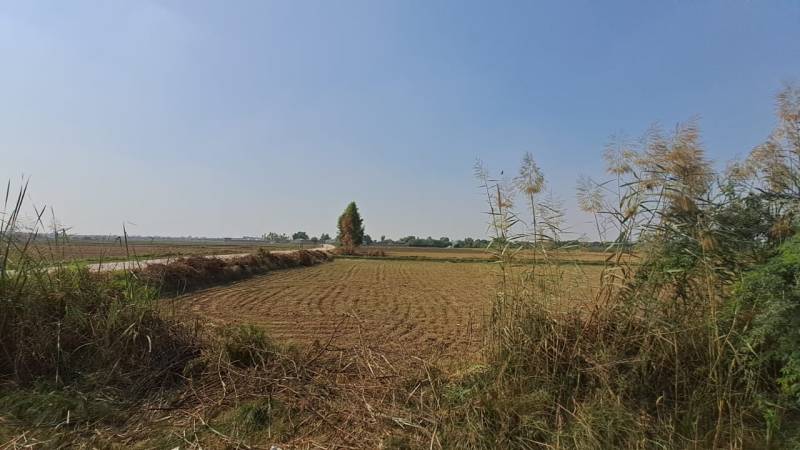
When natural disasters are reported they are usually seen through the eyes of adults, mainly men. Children are all but ignored and no one asks how their lives are affect by natural disasters. It is generally believe that children are resilient and bounce back once the danger is averted, however, children have strong memories of any extraordinary event they experience in their childhood, and these often live in their minds forever.
Ahmed, a child about 10 years old, has sparkling eyes but there is a sobre touch to the way he speaks. It is clear that the natural disaster and evacuation that he and his family faced two years ago have made a strong impression on his life. Ahmed was eight at the time but he vividly remembers the night his uncle came home in heavy rain and ordered the family to gather as much as they could and follow him.
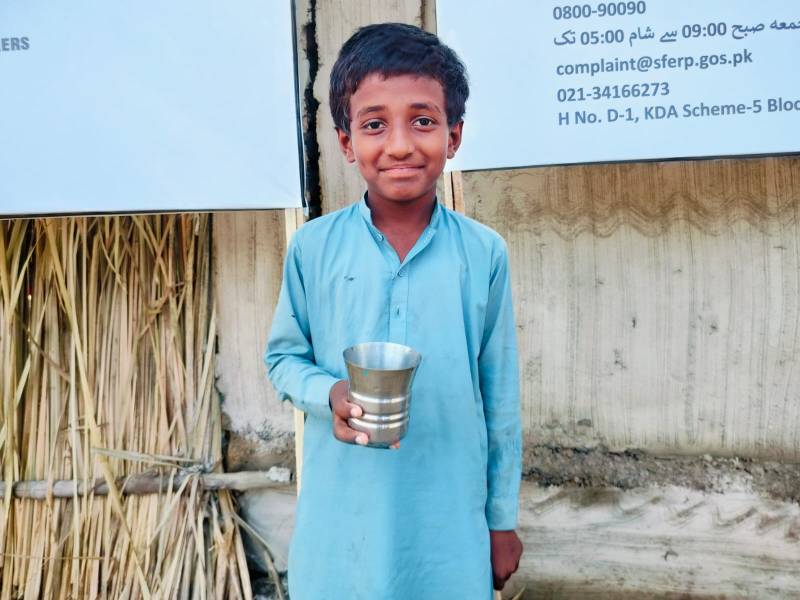
“My chacha came and told us we had to move quickly. My mother, grandmother, and aunts quickly gathered things and hurried me and my cousins. I felt so sad that my father works in the city, and when he returns, he will not find us here.”
Ahmed’s friend laughed and said he had been crying like a baby. Ahmed punched him and would continue the attack, but he also wanted to tell his story, so he continued. He said he may have cried a little, but it was mostly raining. He added he was sure he would never see his home and father again. He felt lonely and scared. His mother snapped at him and his siblings, trying to put some order in the haphazard evacuation. “I could see the fear in my mother’s eyes, which made me even more insecure.”
Like many other families from his village, Ahmed lived with his family in makeshift shelters in schools and other relatively dry areas. A few families had shifted to nearby cities with family. Ahmed does not remember how long he lived away from home as water inundated agricultural land and damaged homes, and there was no clean water to drink. Everything looked hopeless.
SFERP has been working on about 114 water supply schemes and 23 drainage schemes that will benefit millions of people in several villages across Sindh
“I thought we would always live in the shelter, but things began improving when these people came. We soon moved back home, and everyone looked happy. Baji taught us how to make this small garden.” Ahmed sounded happy, his mother and other women had been trained to make kitchen gardens to grow food for their families in small patches of land nearer to their homes.
“I helped to make this; we are growing spinach, chilies, and radish,” Ahmed said proudly, as he should have been.
This young farmer took his agricultural skills for granted and said he really wanted to study. However, the school near his village hasn’t been operational for a decade, but he is hopeful.
“I know how to farm, but I want to attend school and get an education. Now that the World Bank people have come, we know they will help rebuild the school.”
It was a pleasant surprise to hear such hope and trust in people trying to help alleviate the lives of such a remote village.
There are two schools—one is not operational, but as already mentioned, the children are sure it will soon be functional as they trust SFERP and the World Bank will work on reopening it. This trust the young seem to have in the Sindh Government, which is generally criticised, was interesting, and it is hoped it lives up to their expectations. Let’s hope the Sindh Government lives up to their expectations.
Ahmed’s village was just one village affected by floods in 2020 and from experience we have seen that people affected by natural disasters suffer long after the disasters have hit. The rehabilitation process is long and painful, lack of government interest and funds are the major problems. According to reports, people who survived the 2005 earthquake and floods that have hit the country several times over the last more than 25 years people are still awaiting to get their lives together. They are suffering from poverty due to natural disasters but there is nothing else they can do.
It won’t be wrong to say that Pakistan is relatively slow in the rehabilitation process. Basic but important things like rebuilding infrastructure, clean drinking water, and general sustenance became difficult. And the authorities are slow to support.
Fortunately for Ahmed and his village, the Sindh Government is working to help rehabilitate people affected by the 2020 and has a plan. The Sindh Government launched its Sindh Flood Emergency Rehabilitation Project (SFERP) began in June 2024, supported financially by the World Bank and led by the Planning & Development Department, Government of Sindh, that included rehabilitation of damaged infrastructure of water supply and drainage scheme in various districts of Sindh including Badin, Umerkot, Shahdeed Benazirabad, Mirpurkhas, and Sanghar. The Sindh Flood Emergency Rehabilitation Project (SFERP) would benefit an estimated 1027 million people in the province.
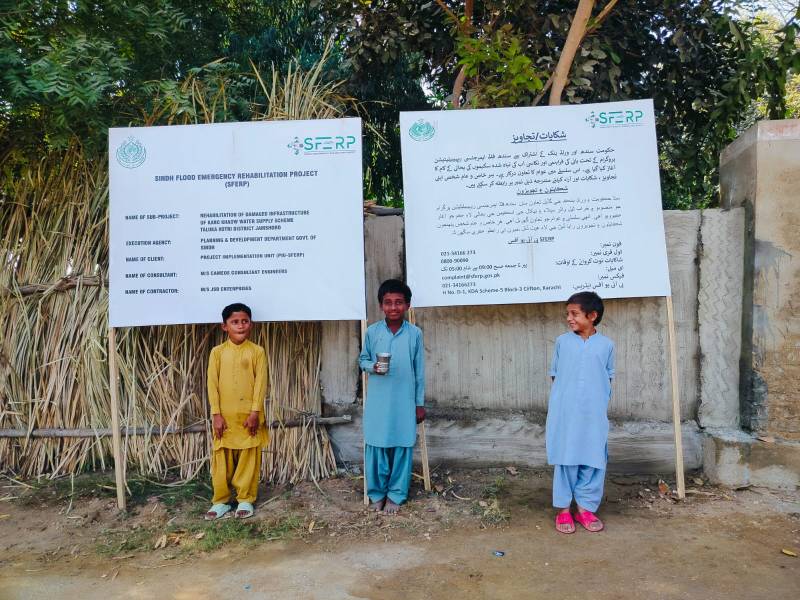
Providing clean drinking water is a top priority after natural disasters. Therefore, SFERP has been working on about 114 water supply schemes and 23 drainage schemes that will benefit millions of people in several villages across Sindh.
The rehabilitation work under the Sindh Government’s SFERP began in June 2024 (the completion date is June 2025) and it includes construction of the pump house, tubewell boring, construction of damaged pipes and storage pond, and provision and fixing of the solar system and hypochlorinator and 20 communal hand pumps.
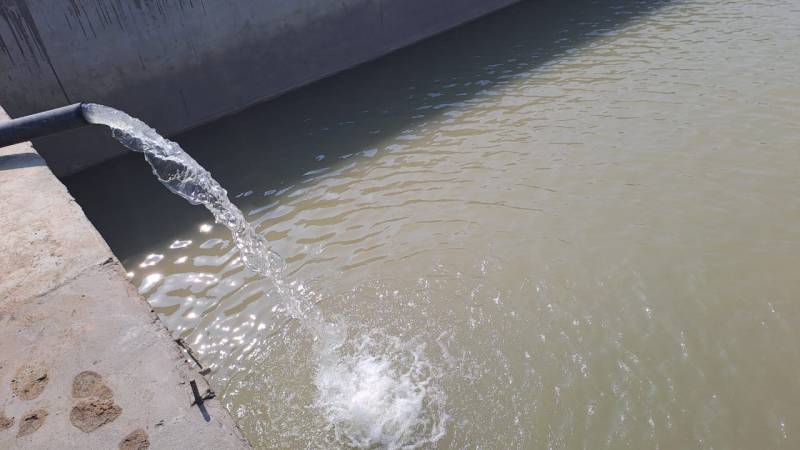
The water supply scheme Karo Khaow, Kotri District Jamshoro, is a comprehensive project that includes water supply and drainage components. Karo Khaow may not be a bustling city, but it has a substantial population of 3000 people. The solar-powered system installed under SFERP will change the lives of the people of Karo Khaow, especially the younger generation, who will have access to technology like computers and even maybe WiFi in the future. It will be interesting to see how the lives of the village women will change as the SFERP teams help them learn skills that can sustain them and their families. The empowered woman of Karo Khaow will help improve the social structure and change the status quo.
Children like Ahmed can start life without suffering the initial pains of rebuilding and rehabilitation that others have faced because, under the SFERP, he will be provided clean and safe drinking water to ensure that he is healthy and protected from water-borne diseases. The land will use the same safe water to grow crops. Climate-resilient infrastructures will protect the village’s population from future rains and floods.
Ahmed’s story is a success story, and he is happy. “My father came back, and we were united again. Now that our homes have been rebuilt, I don’t fear that my father will be unable to find us!”